STCW Course Requirements Explained Clearly

STCW Course Requirements Explained Clearly

If you are planning to work on commercial vessels, charter yachts, or in professional maritime operations, STCW course requirements explained is not just a search term – it is the starting point for getting hired legally and safely. Many new crew assume STCW is one course. It is not. It is a set of international safety standards, and the training you need depends on the role, the vessel, and the kind of work you plan to do.

That distinction matters. A day skipper taking friends out for fun does not face the same training requirements as a deckhand joining a charter yacht in the Caribbean. A watersports operator, ferry crew member, or tourism business may also need staff trained to a recognized standard. The right course path saves time, money, and frustration, while the wrong one can leave you with gaps that stop you from stepping aboard.

What STCW course requirements explained really means

STCW stands for Standards of Training, Certification and Watchkeeping for Seafarers. In plain English, it is the global framework that sets minimum safety training standards for people working at sea. When people ask for STCW course requirements explained, what they usually want to know is simple: what do I actually need before I can work?

For most entry-level crew, the answer starts with Basic Safety Training. This is the foundation course package recognized across much of the commercial maritime world. It typically covers personal survival techniques, fire prevention and firefighting, elementary first aid, and personal safety and social responsibilities. In many training pathways, security awareness is also required either within the package or as an additional module.

This baseline is common, but it is not universal in the way people often think. Yacht crew, merchant seafarers, local commercial operators, and shore-connected marine staff can face slightly different requirements depending on flag state rules, employer policy, insurance expectations, and the waters they operate in.

Who needs STCW training

If you want to work commercially on a yacht, passenger vessel, support boat, transport craft, or another regulated vessel, STCW training is often mandatory. That includes deckhands, stewardesses, engineers, skippers, and crew moving into watchkeeping roles. It can also apply to people working in marine tourism and watersports businesses where commercial standards and risk management are taken seriously.

If you sail purely for recreation, you usually do not need STCW. Recreational qualifications and professional qualifications are not the same thing. An RYA practical course, for example, builds excellent seamanship, but it does not automatically replace the basic safety training required for commercial work.

That is where some career changers get caught out. They may have plenty of sailing miles, but if they want paid work, employers still want to see the safety certificates that fit the commercial environment.

The core STCW courses most crew start with

The standard entry point is Basic Safety Training, often shortened to BST. This is the package most green crew complete first because it covers the emergency situations every seafarer should be prepared for.

Personal Survival Techniques focuses on abandoning ship, life rafts, life jackets, and survival at sea. Fire Prevention and Firefighting covers the causes of onboard fires, how to respond, and how to use firefighting equipment. Elementary First Aid teaches immediate medical response for common onboard incidents. Personal Safety and Social Responsibilities deals with safe working practices, emergency procedures, and professional conduct aboard.

Many candidates also need Proficiency in Security Awareness. On some courses it is offered alongside the main safety modules. On others, it is treated separately. The exact format depends on the provider and regulatory structure.

For most new yacht crew, these are the first certificates employers expect to see. They are practical, hands-on, and directly relevant from day one on board.

STCW course requirements explained for yacht crew

Yacht crew often use STCW as shorthand for the package needed to start work. That is understandable, but the industry has its own details. A 24-meter private yacht and a large commercial charter yacht do not operate under the same expectations. The bigger and more commercial the vessel, the more formal the compliance picture becomes.

For entry-level crew seeking work on charter yachts or professionally operated vessels, basic STCW safety training is usually the minimum. If you plan to progress to officer-level work or command roles later, you will need more than entry-level certificates. Advanced firefighting, medical training, proficiency in survival craft, and leadership courses may come later as your role develops.

This is one of the biggest misconceptions in the market: STCW is not one finish line. It is a framework that expands as responsibility increases.

How course requirements vary by job and vessel

The exact training you need depends on where you are trying to go. A deckhand joining a charter program may need basic safety and security modules first. A captain moving into commercial operations may also need a license pathway, medical certification, radio qualifications, and proof of sea time. A tourism company running boats in the Caribbean may need team training that combines local operational rules with internationally recognized safety standards.

There is also a difference between what is legally required and what makes you employable. Some employers ask for more than the bare minimum because they operate to higher standards, carry demanding guests, or work in busy charter environments. In practice, candidates who pair STCW with strong practical seamanship often stand out faster than those with only the minimum paperwork.

What to expect during training

STCW training is not theory for theory’s sake. You should expect pool sessions, safety drills, practical firefighting exercises, first aid scenarios, and classroom instruction tied to real onboard risk. Good training is direct and memorable because it is built around situations no crew member wants to face unprepared.

Some students arrive nervous about the physical side, especially the pool and firefighting elements. That is normal. The courses are designed for entry-level seafarers, not elite athletes. You do need to participate properly, follow instructions, and take the safety culture seriously.

The best providers also make the training relevant to the sectors students actually want to enter. There is a big difference between memorizing content and understanding how it applies on a charter yacht, workboat, or passenger vessel.

How long STCW courses take

For basic training, many students complete the main package in about five to six days, depending on the course structure and whether security training is included at the same time. Some providers separate modules across different dates, while others run them as one integrated week.

That sounds quick, but it should not be treated casually. These are foundational professional certificates. Arriving rested, on time, and ready to engage makes a difference, especially if you are trying to move quickly into work.

Choosing the right training provider

Not all maritime training feels the same. Recognition and compliance come first, of course, but delivery matters too. You want instructors who understand both the regulatory standard and the operational reality of life on board. You also want a provider that can help you see the bigger pathway, whether that means crew placement readiness, license progression, or adding practical seamanship alongside safety training.

For students training in Antigua, that can be a real advantage. Conditions are relevant to active Caribbean yachting, and the training environment attracts both ambitious newcomers and working professionals. Ondeck Sailing serves that crossover well, combining serious certification routes with an on-the-water setting that keeps the training connected to real maritime work.

Common mistakes students make

The most common mistake is assuming one certificate covers every future job. It does not. Another is waiting until the last minute, then discovering the role also requires a medical, a visa, a radio certificate, or a local commercial endorsement.

A quieter mistake is choosing courses without thinking about progression. If your real goal is paid yacht work, captaincy, or charter operations, it helps to train with that route in mind from the start. Safety training is essential, but it works best when it is part of a clear professional plan.

STCW course requirements explained in practical terms

If you want the practical version of STCW course requirements explained, here it is: most new commercial crew start with basic safety training and security awareness, then add role-specific qualifications as their responsibilities grow. What you need next depends on the vessel, the flag, the employer, and your career direction.

That means there is no honest one-size-fits-all answer. But there is a smart way to approach it. Start with the mandatory safety foundation. Match your next courses to the work you actually want. If you are unsure, ask about the full pathway, not just the first certificate.

The right training should do more than check a box. It should make you safer, more credible, and more ready when the right opportunity appears – whether that is your first yacht job, a move into commercial skippering, or building a stronger marine operation in the Caribbean.

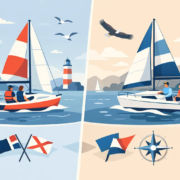
Antigua Sailing Courses Guide

Antigua Sailing Courses Guide

If you are choosing where to train, Antigua changes the equation. A good Antigua sailing courses guide is not just about picking a certificate. It is about matching your goal to the right water, the right standards, and the right progression path so your time on board leads somewhere useful.

Antigua is one of the few places where recreational sailors, yacht crew, charter operators, and career changers can all train in the same sailing hub. The conditions are varied enough to build real seamanship, the yachting culture is serious, and the Caribbean setting means your course does not feel like a compromise between work and experience. That matters whether you want to skipper a charter boat with confidence or move into professional maritime roles.

Why Antigua works so well for sailing training

Antigua has a long-standing reputation as a working sailing destination, not just a vacation backdrop. You get warm water and reliable trade winds, but you also get busy harbors, anchoring practice, short coastal passages, and exposure to the kind of decision-making that turns theory into instinct.

For beginners, that means a friendlier learning environment than colder, more intimidating training grounds. For experienced sailors and crew, it means practical repetition in conditions that still demand attention. Training here can be enjoyable, but it is not soft. You still need to trim correctly, plan ahead, communicate clearly, and handle a vessel with discipline.

That balance is exactly why Antigua appeals to both leisure sailors and professionals. You can start with zero experience, or you can arrive already focused on commercial qualifications and find a pathway that makes sense.

Antigua sailing courses guide: start with your end goal

The biggest mistake people make is choosing a course by name rather than by outcome. Before looking at levels, ask a more useful question: what do you want this course to let you do after you leave Antigua?

If your goal is recreational, you may want to learn the basics, charter responsibly, or gain enough command and confidence to skipper family and friends. In that case, practical sailing courses with a recognized framework are usually the right place to begin.

If your goal is professional, the path looks different. Yacht crew, transport operators, watersports businesses, and charter companies often need recognized safety training, local or regional licensing, and role-specific qualifications. In that case, combining practical command courses with MCA or STCW safety training, and sometimes Boatmaster or commercial licensing, is often the smarter route.

The right course depends on whether you need confidence, competence, compliance, or all three.

RYA practical courses for recreational sailors and progressing skippers

For many people, the most natural entry point is an RYA practical course. These courses are structured, internationally recognized, and easy to understand as a progression. If you are new to sailing, entry-level training focuses on core boat handling, sail trim, ropework, safety, and life on board. It gives you a real foundation rather than a quick taste.

From there, more advanced practical levels move toward skippering. You begin making decisions about passage planning, mooring, anchoring, crew management, and operating safely in a wider range of situations. This is where Antigua becomes especially valuable. Harbor approaches, wind shifts, and real cruising conditions turn a training checklist into practical command experience.

For recreational sailors, the trade-off is simple. If you only want a memorable day on the water, a full course may be more than you need. But if you want to charter, lead friends aboard, or stop second-guessing every maneuver, structured training is worth it.

Theory courses matter more than many sailors expect

A lot of sailors want to skip straight to the practical side. That is understandable, especially in the Caribbean. But theory is where confidence often becomes consistent judgment.

RYA theory courses support the practical track by covering navigation, chartwork, collision regulations, passage planning, tides, weather, and pilotage. Even capable hands-on sailors often find that their boat handling improves once they understand the bigger picture behind each decision.

This matters even more if you are planning to move into longer passages, bareboat charters, or professional work. A practical course teaches what to do on board. Theory helps explain why, when, and what to do next when the plan changes.

If your schedule is tight, you may need to choose between immediate sea time and classroom-based progression. But over the medium term, the strongest sailors nearly always build both.

Professional training in Antigua for crew and commercial operators

If you are aiming to work on the water, your training needs to satisfy more than personal ambition. It has to meet operational and industry requirements.

That is where MCA and STCW basic safety and security training come in. These courses are essential for many maritime roles because they cover the safety baseline expected in professional environments. They are not glamorous, but they are often non-negotiable. If you want to work aboard commercially, on charter yachts, in marine tourism, or in related sectors, safety credentials can be the difference between being considered and being overlooked.

Antigua is a strong place to complete this kind of training because it sits within an active marine industry ecosystem. You are not training in isolation from the real world. You are learning in a place where charter operations, yacht crew movement, marine services, and regatta activity all overlap.

For businesses in tourism, watersports, and transport, this is also where bespoke training becomes relevant. Off-the-shelf courses work well for individuals, but organizations often need training adapted to vessel type, operating area, crew structure, and compliance needs.

Boatmaster, charter, and commercial license pathways

Not every professional route fits neatly into standard recreational certifications. Some candidates need regional or role-specific licensing, especially if they plan to operate commercially in Caribbean waters or within tourism and transport sectors.

That is where Caribbean Boatmaster programs and additional licensing options such as Captain’s Licence, Bareboat Skipper Licence, Charter Licence, and Commercial Licence become important. These are practical choices for operators who need authority, employability, or legal permission to perform a specific job.

The right option depends on your operating area and business model. A bareboat skipper route may suit someone planning to run private charter experiences. A commercial license may be more appropriate if you are carrying passengers or working in a regulated service environment. Boatmaster training can make sense for those whose work is tied to local waters and regional standards.

This is one area where generic advice fails. The best path is the one that matches the vessel, the waters, and the work you actually intend to do.

Regatta and adventure sailing as serious skill builders

Not every valuable course outcome arrives with a classroom component. Antigua’s sailing culture includes regattas, offshore movement, and hands-on Caribbean passages that build skills quickly because the environment asks more of you.

For recreational sailors, joining a regatta or structured adventure sail can sharpen awareness, teamwork, and sail handling far beyond what many casual trips provide. For aspiring professionals, these experiences can also help bridge the gap between certified ability and practical confidence. Racing teaches pace and precision. Passage sailing teaches endurance, systems awareness, and decision-making over time.

There is a difference, though, between exciting sailing and proper instruction. The strongest training providers combine both. They do not sell adventure as a substitute for standards. They use adventure to reinforce them.

How to choose the right course mix in Antigua

The smartest bookings usually combine categories. A beginner may pair practical instruction with a clear next-step theory plan. A future skipper may combine advanced practical training with charter-oriented licensing. A new crew member may need STCW first, then practical command development later.

That layered approach is often more effective than trying to solve everything with one certificate. Sailing progression is rarely linear. You may need safety now, skippering later, and a licensing add-on after that. What matters is choosing a path that fits your timeline and intended use.

If you are unsure, start with the role you want in six to twelve months. Do you want to charter confidently, work aboard, run trips commercially, or build toward higher-level command? Once that answer is clear, the course choice becomes much easier.

Ondeck Sailing stands out in this space because it serves both sides of the market without watering either one down. Recreational sailors can access serious instruction in an exceptional cruising ground, while professionals can work through recognized qualifications and licensing pathways in a destination that is actively connected to the marine industry.

What a strong training decision looks like

A strong decision is not always the most advanced course. It is the one that gives you a realistic next move on the water. For some people, that means learning to crew well and handle a boat safely. For others, it means adding the commercial, charter, or safety credentials needed to turn sailing into work.

Antigua gives you the rare chance to do that in a place that is both demanding and enjoyable. The water is warm, the standard can be high, and the progression opportunities are real. Choose the course that matches what you plan to do next, and the island does the rest.

RYA vs ASA Certification: Which Fits You?

RYA vs ASA Certification: Which Fits You?

You do not feel the difference between RYA vs ASA certification when you are standing on the dock reading course descriptions. You feel it later, when you want to charter abroad, build toward professional work, or prove your standard to an employer. On paper, both systems teach sailing. In practice, they serve slightly different goals, and choosing the right one depends on where you want your sailing to take you.

For most sailors, this is not a question of which program is better in some universal sense. It is a question of recognition, training style, and long-term fit. If you want a clear training ladder that can support both recreational cruising and commercial progression, RYA often stands out. If you want a popular American pathway into recreational sailing and charter confidence, ASA can be a very practical choice.

RYA vs ASA certification at a glance

The Royal Yachting Association, or RYA, is a UK-based training and certification system recognized widely across international sailing and yachting circles. It is especially well known in Europe, the Caribbean, and the professional yacht industry. The American Sailing Association, or ASA, is a US-based system that is highly familiar to American sailors and charter clients, particularly in North America.

Both are legitimate, established training routes. Both can take a beginner from zero experience into competent cruising skills. Both include keelboat, cruising, navigation, and advanced course options. The real difference is how each system is structured, how it is perceived, and what doors it tends to open.

RYA is often seen as more standardized from school to school, with a stronger reputation for formal practical assessment. ASA is often seen as more flexible and approachable for US leisure sailors entering the sport. Those are broad generalizations, but they point to the core distinction.

How the training structure differs

RYA training is built around a progression that many sailors find easy to map over time. Competent Crew leads naturally into Day Skipper, Coastal Skipper, Yachtmaster track, and beyond. The practical and theory elements are distinct but connected, which helps if you are serious about seamanship rather than simply checking a box for a charter.

ASA also offers a progression, starting with introductory keelboat and basic cruising courses and moving into bareboat cruising, coastal navigation, and more advanced topics. For a recreational sailor in the US, that pathway can feel very accessible. It is designed to bring people into cruising without making the system feel overly formal.

The trade-off is that RYA often carries a stronger sense of external benchmark. Many students choose it because they want a certification route that is recognized well beyond their home waters. ASA can still prepare you well, but its center of gravity is more recreational and more US-focused.

Which system is better for chartering?

If your main goal is chartering a sailboat for vacations, both can work. Many charter companies look at your sailing resume, practical experience, and confidence as much as the certificate itself. A bareboat charter operator wants to know whether you can handle the boat, your crew, docking, anchoring, and local conditions.

That said, RYA credentials often carry particularly strong recognition in international charter markets. If you plan to charter in the Mediterranean, Caribbean, or multiple countries over time, RYA can be a smart long-term choice. Day Skipper, in particular, is often understood quickly by charter operators and sailing professionals.

ASA is also commonly accepted, especially by companies serving American clients. If your sailing plans are primarily vacation-based and centered around the US, the Bahamas, or Caribbean charter fleets used to working with US sailors, ASA may be perfectly sufficient.

So the answer depends on range. If you want broad international portability, RYA usually has the edge. If you want a familiar recreational path and solid charter preparation, ASA may be enough.

RYA vs ASA certification for professional goals

This is where the gap becomes more meaningful.

If you are thinking about yacht crew work, commercial endorsements, skipper roles, or building a serious maritime career, RYA is usually the stronger platform. It connects more naturally with MCA pathways and with the standards often expected in the global yachting industry. For anyone looking at professional deck work, charter operations, or long-term progression into command roles, RYA is often the more strategic decision.

ASA is not generally the first choice for commercial progression outside the US recreational market. That does not mean the training lacks value. It means the system is not as directly tied into the professional qualification ladder that many yacht crew and maritime employers recognize internationally.

If your future might include paid skippering, yacht delivery, flotilla work, charter management, or industry-facing roles, it is wise to think beyond your first certificate. The right training path should support where you may want to be in three or five years, not just your next sailing trip.

How the teaching experience can feel different

Not every school teaches the same way, so broad claims have limits. Still, students often notice a cultural difference between the two systems.

RYA courses tend to emphasize practical competence under assessment conditions. There is usually a stronger focus on decision-making, close-quarters handling, rules, passage planning, safety drills, and demonstrating that you can operate as skipper or crew to a defined standard. You are not simply attending a course. You are expected to perform.

ASA courses can feel slightly more relaxed and user-friendly for new sailors, especially in schools that cater heavily to vacation sailors and first-time boaters. For some students, that is a positive. It lowers the barrier to entry and makes the learning curve less intimidating.

Neither style is inherently right for everyone. Some sailors want a structured benchmark and a tougher standard from day one. Others learn better in a less formal environment and build confidence first, then advance later.

Cost, time, and availability

ASA is often easier to find in the US, which can make it more convenient and sometimes more affordable at the entry level. If you live stateside and want to begin quickly, local ASA availability is a practical advantage.

RYA training can require more deliberate planning, especially if you want to train at a reputable center in a serious sailing environment. But that extra effort can pay off if you want focused time on the water and a qualification with wide recognition. In a place like Antigua, where trade winds, open-water conditions, and active yachting culture are part of everyday training, the learning experience can be more than just a classroom progression.

Convenience matters, but so does context. A certificate earned in ideal cruising conditions with real boat handling, navigation, and weather awareness often carries more personal value than the shortest route to a card.

Who should choose RYA?

RYA is usually the better fit if you want internationally recognized training, a clear progression into higher-level certifications, or a route that can support recreational and professional ambitions. It also suits sailors who want to train in a system known for practical standards and real seamanship.

If you expect to charter widely, pursue Yachtmaster-level goals, or work in the marine industry, RYA is often the more future-proof option. It asks more of you, but that is part of its value.

Who should choose ASA?

ASA is a strong fit if you are US-based, focused mainly on recreational sailing, and want an accessible way to gain cruising skills and charter confidence. For many sailors, that is exactly the right starting point. Not everyone needs a professional training ladder.

If your goal is to sail for pleasure, build competence step by step, and stay mostly within markets where ASA is well understood, it can be an efficient and sensible route.

The most useful question to ask yourself

Instead of asking which certification is better, ask what kind of sailor you want to become.

If you want occasional charter vacations with family and friends, the answer may be straightforward. If you want command skills, industry credibility, and options that travel well across borders, the decision becomes more strategic. This is why many serious sailors lean toward RYA, especially when training in a location where the sailing itself sharpens judgment every day.

At Ondeck Sailing, that matters. Warm water and trade winds are part of the appeal, but they are also part of the education. The right certification should not just help you pass a course. It should make you more capable when the anchorage is crowded, the weather shifts, or the plan changes offshore.

Choose the system that matches your horizon, not just your starting point. The best sailing credential is the one that keeps serving you after the course ends.

How to Pass the RYA Yachtmaster CoC Exam First Time

How to Pass the RYA Yachtmaster CoC Exam First Time

The RYA Yachtmaster exam is not won with last-minute revision or a confident smile at the helm. If you want to know how to pass Yachtmaster, the real answer is simpler and harder: arrive with solid miles, clean habits, and the kind of judgment that stands up when the weather shifts, the tide turns, and the examiner stops giving anything away.

For some candidates, Yachtmaster is the next logical step after years of cruising. For others, it is a professional threshold – the qualification that helps open doors in charter, delivery, instruction, and commercial work. Either way, the exam is designed to test practical command, not just knowledge. You are being assessed on whether you can take charge of a yacht safely and competently.

What the examiner is really looking for

A lot of candidates prepare as if the exam is a checklist of maneuvers. That matters, but it is only part of the picture. The examiner is looking at the full shape of your seamanship: situational awareness, boat handling, navigation, collision avoidance, crew management, and decision-making under pressure.

This is why technically strong sailors sometimes struggle. They can reverse into a berth perfectly in flat water, but fall apart when asked to explain a pilotage plan, adjust for current, manage a tired crew member, and rework the plan when visibility drops. Yachtmaster is not about showing off. It is about proving you can run the boat.

That means your preparation should focus less on isolated tricks and more on command mindset. Every maneuver, every chart exercise, every passage plan should connect back to one question: would I trust this person to skipper the yacht safely?

How to pass Yachtmaster with the right preparation

The strongest candidates usually prepare in three layers. First, they make sure their logged mileage and qualifying passages are genuine experience, not just numbers in a book. Second, they tighten up weak areas with focused coaching. Third, they spend time practicing under exam-style pressure.

Mileage matters, but quality matters more. If your miles were mostly easy downwind passages with experienced skippers making the decisions, you may meet the requirement without being exam ready. On the other hand, a candidate with slightly less varied mileage but real hands-on responsibility often performs better.

You want recent experience in pilotage, night entries, tidal planning, close-quarters handling, man overboard recovery, anchoring, and skippering with different crew abilities. If any of those feel rusty, that is your starting point.

A prep course can be the fastest way to sharpen those skills because it exposes habits you may not notice on your own. It also forces you to work at the standard the exam expects, not the standard your regular crew has learned to accept.

Boat handling wins confidence early

Examiners notice boat handling immediately. They do not expect theatrical perfection, but they do expect control, planning, and awareness of wind, current, space, and crew.

Good boat handling starts before the boat moves. Your brief should be clear. Lines should be prepared. Fenders should be at the right height. You should know what the wind and current are doing and how that changes your approach. If a maneuver is not working, the strongest move is often to back out early and reset rather than force it.

That matters in Antigua and throughout the Caribbean just as much as anywhere else. Warm water and trade winds make for fantastic training conditions, but they also reward sailors who understand momentum and breeze. A candidate who uses prop walk, spring lines, and controlled speed well will look composed. A candidate who rushes will look exposed.

Practice leaving and coming alongside in a range of scenarios. Work on picking up moorings cleanly. Rehearse anchoring with proper communication and situational checks. Run man overboard drills until your actions are calm and repeatable. Under pressure, you fall back on habits, so your habits need to be good.

Navigation needs to be quick, accurate, and practical

A common mistake is overcomplicating navigation. Yachtmaster navigation should be accurate, but it also needs to be usable on deck. You are not sitting a theory paper. You are expected to navigate a real yacht safely in real time. Your knowledge should be to the level of Yachtmaster/Coastal Skipper Theory

Your passage planning should be clear and efficient. Know your courses, tidal effects, clearing bearings, no-go areas, key lights, safe water, and fallback options. If the examiner asks where you are, you should be able to fix your position quickly using the tools available, then explain what that position means in practical terms.

Pilotage deserves special attention. Many candidates are broadly competent offshore but lose marks in close coastal work because they have not built crisp pilotage routines. Practice entering unfamiliar harbors, identifying marks fast, briefing your crew, and adapting when the expected visual picture changes.

You also need to stay sharp on rules of the road, lights, shapes, sound signals, weather, and safety procedures. None of this should live in separate mental boxes. In the exam, it all comes together at once.

Command presence matters more than volume

Some candidates think they need to sound like a captain from a movie. They do not. Real command presence is quiet, clear, and steady.

That means giving concise instructions, checking understanding, and keeping the crew involved without creating noise. If something changes, say what you have seen and what you are doing about it. If you need a second to think, take it. Calm is a seamanship skill.

Examiners are often reassured by candidates who communicate simply and decisively. They become wary of candidates who talk constantly but fail to control the boat or the situation. You do not get extra credit for sounding impressive. You get credit for running a safe, organized yacht.

This is especially important if you are using fellow candidates as crew. They may be competent, but they may not respond like your regular team. Brief them properly, assign roles clearly, and never assume they know your plan.

Fix the weak spots candidates usually ignore

If you ask instructors what holds candidates back, the answer is rarely one dramatic failure. More often, it is a cluster of smaller weaknesses that point to thin command experience.

Weak spots often include tidal height calculations done too slowly, uncertain collision regulations, poor use of transits in pilotage, vague MOB recovery planning, and sloppy engine checks. Ropework can also betray a candidate. Knots are basic, but fumbling them under pressure does not inspire confidence.

Then there is the oral side of the exam. Candidates who are fine on the helm sometimes struggle when asked why they chose a course, what weather they expect, how they would respond to gear failure, or what paperwork and safety equipment are required. You do not need to recite a manual, but you do need practical, correct answers.

The best way to improve is to be brutally honest before the exam. Do not just practice what you already do well. Spend more time on the things you avoid.

Treat the exam like a normal day of good seamanship

The phrase how to pass Yachtmaster makes it sound like there is a trick to the exam. There is not. The closest thing to a trick is this: stop trying to perform and start trying to skipper well.

On exam day(s), keep your routines simple. Be rested. Prepare your clothing, notes, and equipment the night before. Do not cram. A tired brain makes poor tidal calculations and worse decisions.

Once the exam begins, slow yourself down slightly. Listen carefully to the task. Make a plan. Brief the crew. Execute. Reassess. If something goes wrong, recover cleanly and move on. The examiner is not expecting a flawless machine. They are assessing whether you recognize problems early and deal with them properly.

It also helps to remember that a sensible decision to abandon a poor approach can score better than a heroic attempt to save it. Good skippers do not force bad setups.

Get ready in the kind of waters that build real competence

Where you prepare makes a difference. Tidal planning, navigation, and close-quarters handling are easier to learn when you are sailing regularly and with purposeful coaching. In a place like Antigua, you get strong practical training value alongside serious sailing conditions – trade winds, open water, varied passages, and a culture built around boats and seamanship.

For candidates aiming at Yachtmaster as a career step, that combination matters. You want training that feels professional, not casual. You also want enough time on the water to turn instruction into instinct. Ondeck Sailing has built much of its training around exactly that progression, from foundational skills through advanced skippering and professional qualifications.

Pass your RYA Yachtmaster Exam by becoming the skipper the certificate is meant to represent. Build better habits, sharpen your judgment, and train until calm decisions feel natural. When that happens, the exam stops looking like a barrier and starts looking like confirmation.

Our Race Dates 2027

2026 - 2027 Regattas 

2027 Caribbean Racing Calendar

Note: Dates are provisional and represent the core racing window. Training days are integrated into the specific event schedules as indicated.

# Event Dates Location / Details


1 Barbados Sailing Week Jan 16 – Jan 21 Barbados (Juno training Jan 15)
2 Rum to Spice Jan 23 Barbados to Carriacou
3 Grenada Sailing Week Jan 31 – Feb 5 Carriacou & Grenada (Training Jan 30)
4 RORC Nelson's Cup Series Feb 16 – Feb 19 Antigua (Inshore Series; Training Feb 15)
5 RORC Caribbean 600 Feb 22 – Feb 25 600nm Offshore Race
6 St. Maarten Heineken Regatta. 

Book via American Sailing Vacations 

Mar 4 – Mar 7 St. Maarten (Juno training Mar 3)
7 Antigua Racing Cup Mar 18 – Mar 21 Antigua (Juno training Mar 17)
8 St. Thomas International Regatta April 7th - 11th  St. Thomas, USVI (Juno training Mar 24)
9 BVI Spring Regatta 

& Festival

Book via American Sailing Vacations 

Mar 30 – Apr 4 British Virgin Islands (Juno training Mar 29)
10 Antigua Sailing Week Apr 19 – Apr 23 Around Antigua (Destination Racing)
11 Antigua Bermuda Race Apr 28 Offshore to Bermuda


Antigua Racing Cup

ANTIGUA RACING CUP March 17th - 21st 2027


2027 sees the 2nd edition of The Antigua Racing Cup, a new addition to Antigua’s yachting calendar and one that we believe will become one the most exciting and popular

The Antigua Racing Cup is an event for racing purists—those who prefer high-energy, coastal racing with a fast-paced schedule and a focus on spirited competition. The event will feature 4 days of exhilarating races in conditions envied by most – balmy temperatures, trade winds, big seas at very short distances from shore. Strategically placed in the calendar to allow teams to compete and then head off to their summer events, racers can expect finely tuned variations of the exhilarating courses they would usually associate with sailing conditions along Antigua’s spectacular southern coast, and spectators will still enjoy the breathtaking views from land, sea, or air.

Key highlights of The Antigua Racing Cup:

  • A new platform for high-performance sailing in the Caribbean
  • Convenient 4-day race schedule
  • Ideal calendar position for campaigning boats, race charters, one-design racing & professional sailors as well as Corinthian crews on our core racer-cruisers and race charterboats.

Onshore, English Harbour will continue to buzz with energy, and the social calendar will certainly remain packed. Local vendors and artisans will be there to excite every appetite not to mention the bars, restaurants, and beach venues in & around English Harbor.  All enthused to host nightly events, including live music, themed parties, and cultural celebrations that highlight the best of Antiguan hospitality

As with ALL Ondeck's events - No experience is necessary.

For booking, please contact peter@ondecksailing.com for more information.

Check out our Farr 65, Spirit of Juno here!


Charter Prices

Yacht Whole Boat Individual Place 
Farr 65 Not Available $2,350
Beneteau First 36.7 $12,500 Not Available

Prices quoted in US Dollars

Included In Farr 65 Charter:

All dockage fees, fuel, tank water, comprehensive shore and maintenance support, event management, race entry accommodation on board if required

If you have any questions please reach out via our 'Contact Us!' page on the right.

* Please note that Ondeck is not responsible for the content of external internet sites.

Blueprint

Blueprint whole boat charter

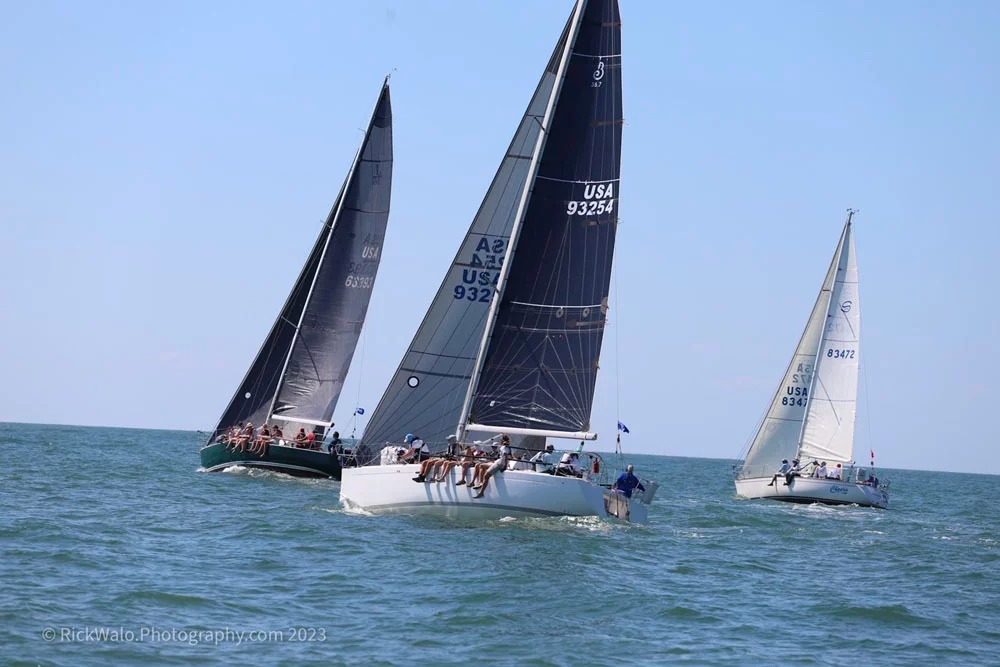
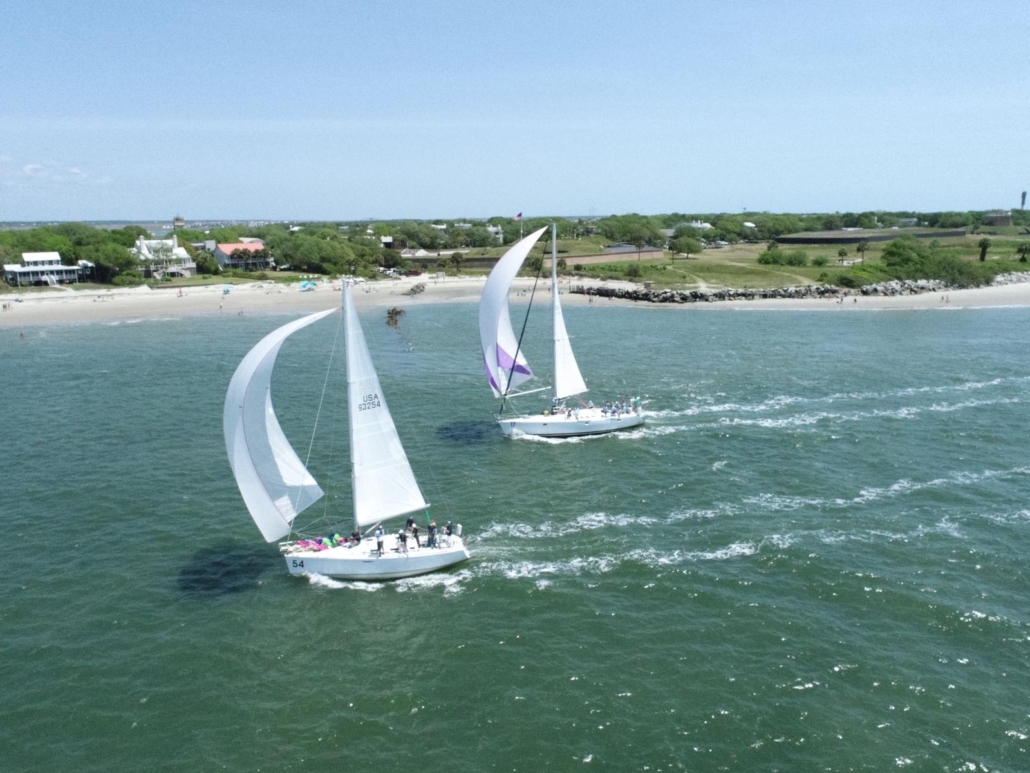
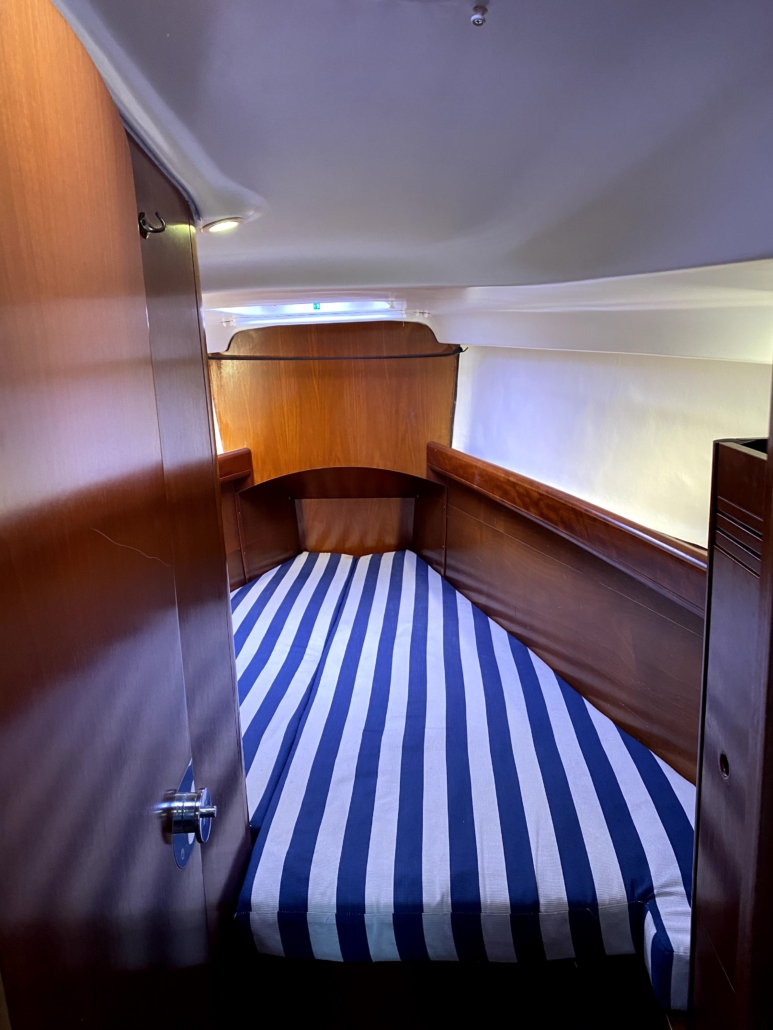
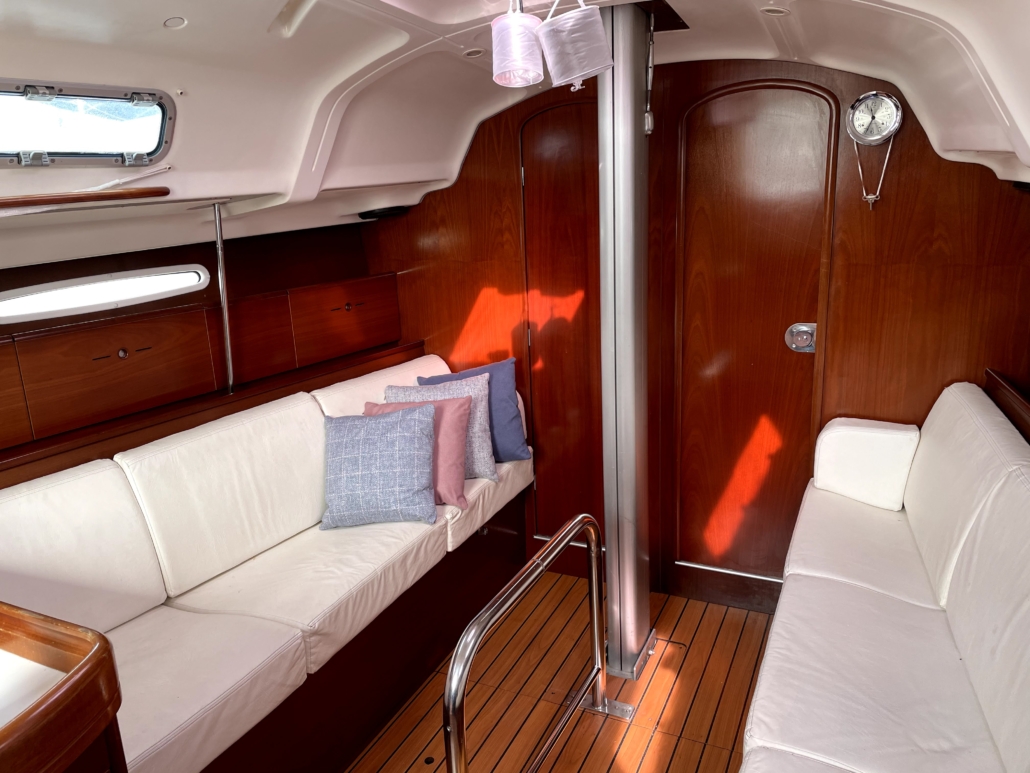
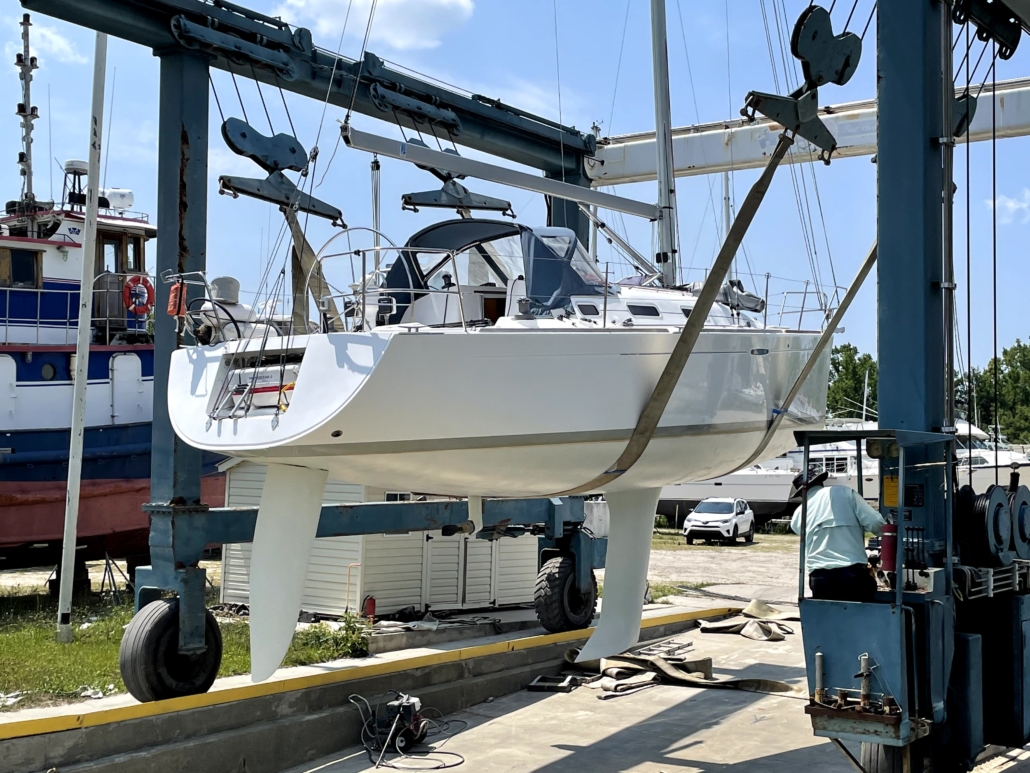
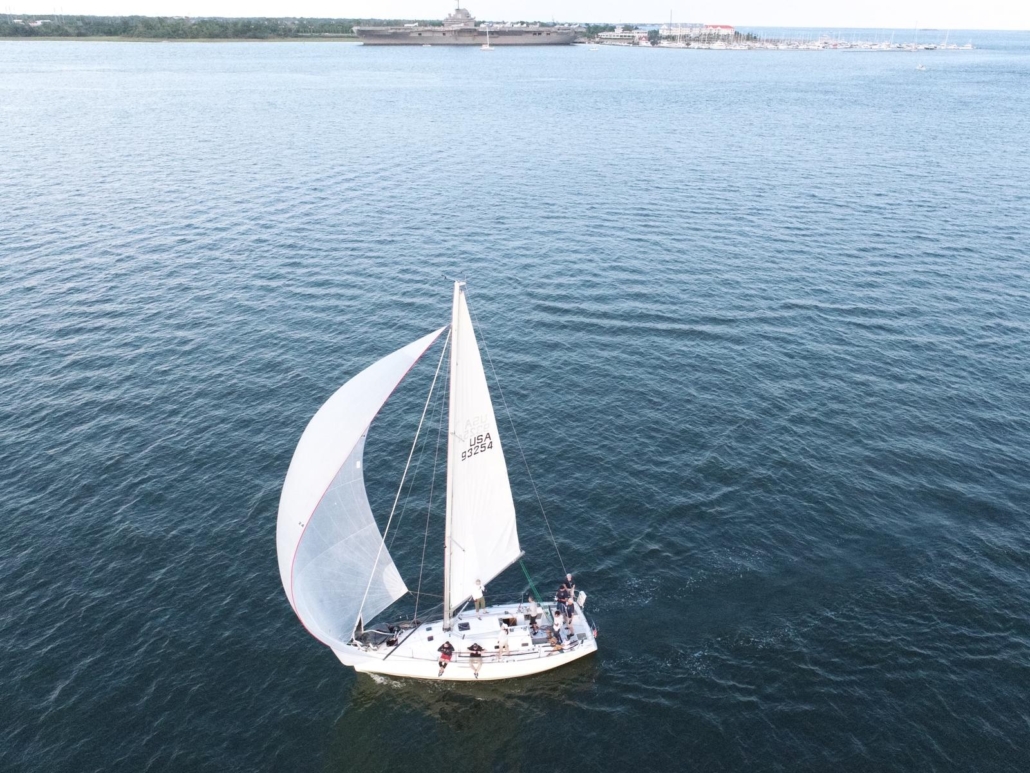
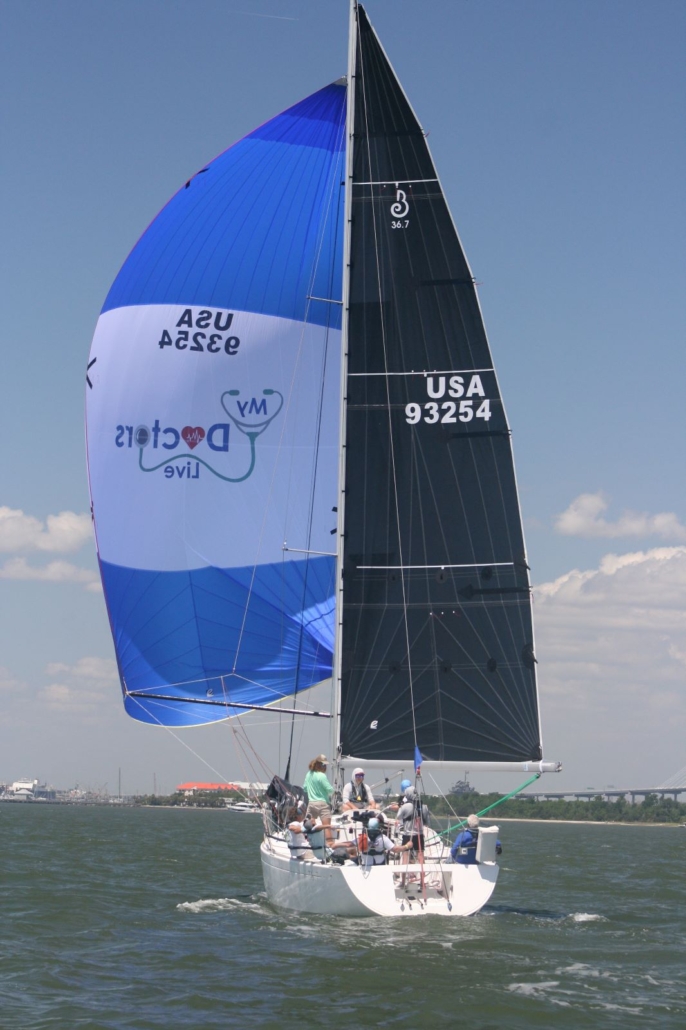
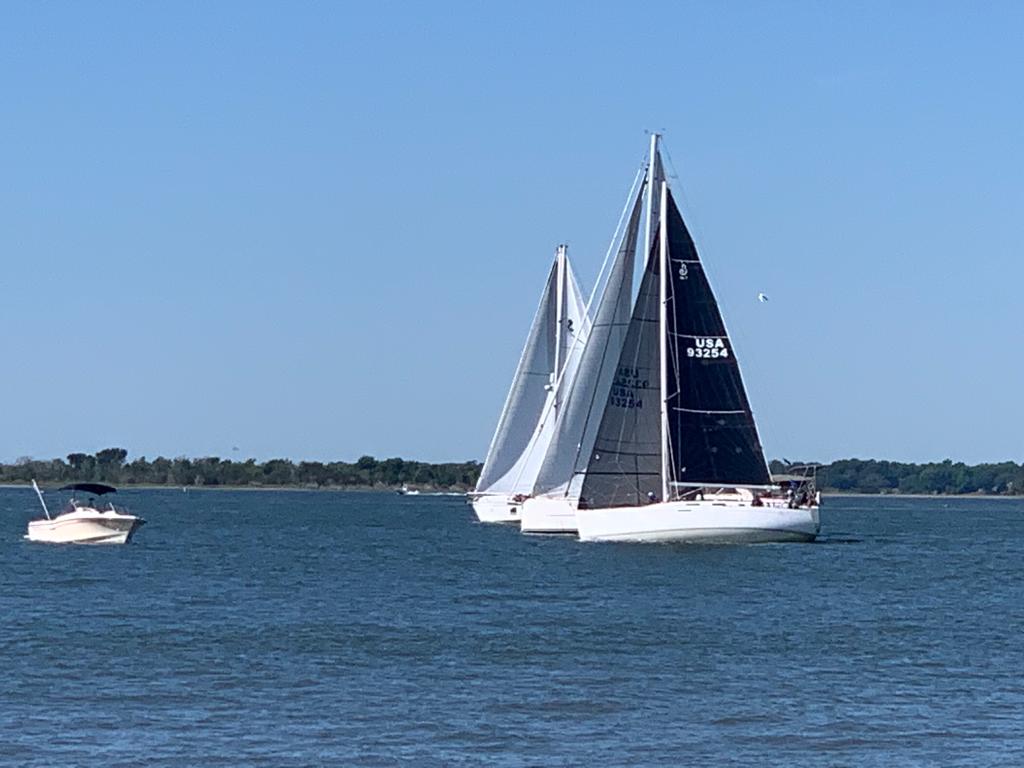
Blueprint is a competitive Beneteau First 36.7 out of Charleston SC coming down for the 2024 Regatta Season.

She comes with good quality sails and reaching and running spinnakers.

Blueprint is available for whole boat charter for all of the regattas and for individuals to join the Antigua to Bermuda race in May.

Please click on the 'Contact Us!' button on the right for more information! Click below for Blueprint Gallery


Blueprint Gallery

Blueprint Gallery

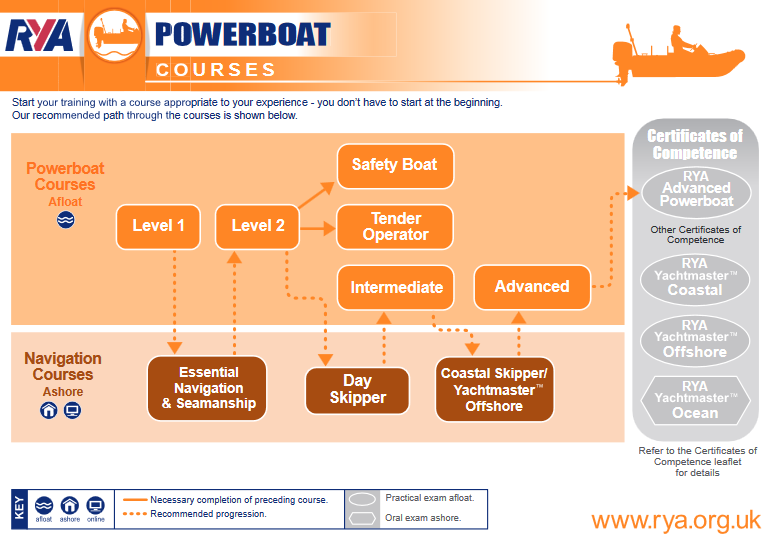
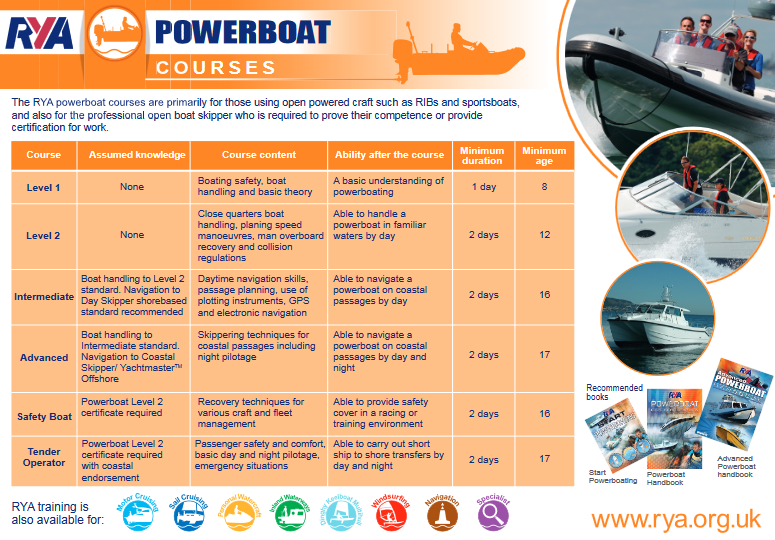
Not sure where to start – Powerboat courses

RYA powerboat infographic
RYA powerboat info courses

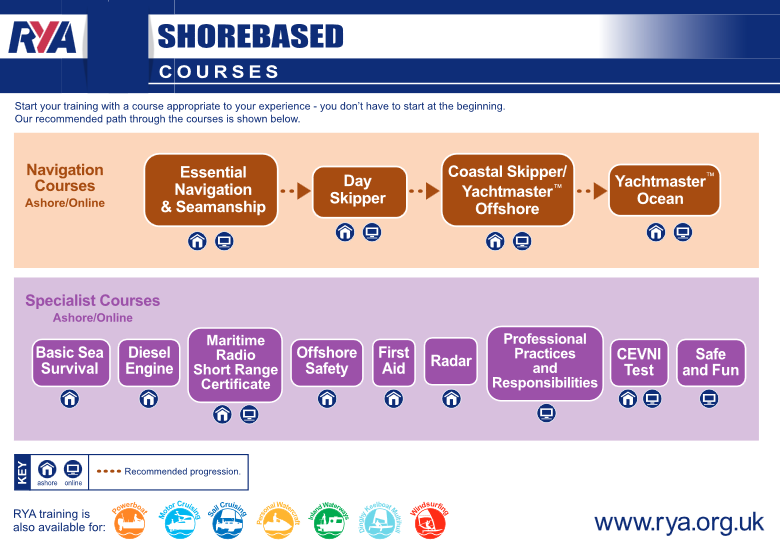
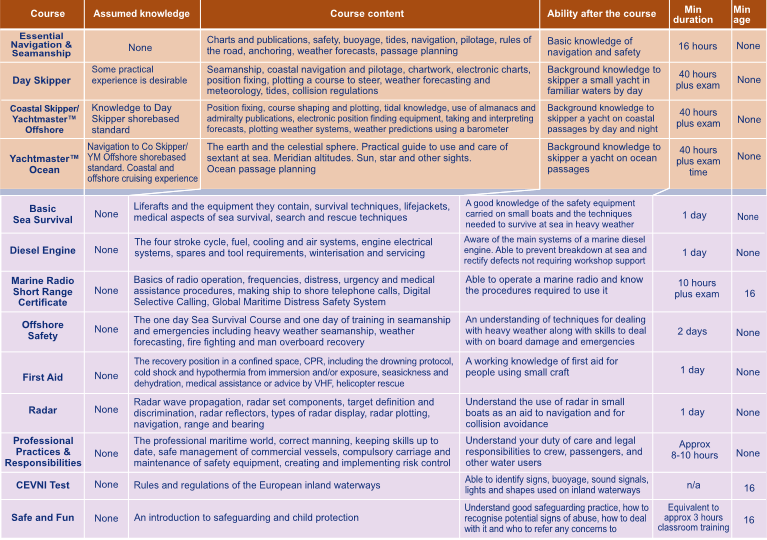
Not sure where to start – Shorebased courses

RYA Shorebased infographic
RYA Shorebased infographic 2