STCW Basic Safety Review: What to Expect

STCW Basic Safety Review: What to Expect

A yacht can look effortless from the dock: polished rails, taut lines, and a crew moving with quiet purpose. The reality changes quickly when there is smoke below deck, a person in the water, or an emergency call in rough conditions. That is why an STCW basic safety review matters. It is not simply a certificate to add to a resume. It is the foundation for responding calmly, correctly, and as part of a professional crew when conditions stop being routine.

For aspiring deckhands, charter skippers, watersports teams, and maritime businesses, STCW Basic Safety Training is often the first formal step toward commercial work. For experienced crew, a review is a useful way to understand what the course covers, what practical standards are expected, and when refresher training may be needed. The right course should feel relevant to the vessels and people you will work with, whether that is on a superyacht, passenger vessel, charter catamaran, or local excursion boat in the Caribbean.

What Is STCW Basic Safety Training?

STCW stands for Standards of Training, Certification and Watchkeeping for Seafarers. It is the international framework that sets minimum training standards for people working on ships and commercial vessels. Individual flag states, maritime administrations, employers, insurers, and vessel operators may add their own requirements, but STCW provides the common professional baseline.

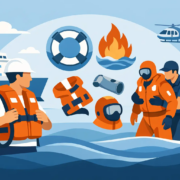
The basic safety package generally covers four core areas: personal survival techniques, fire prevention and firefighting, elementary first aid, and personal safety and social responsibilities. Depending on your role and the vessel, security awareness training may also be required. These subjects may sound straightforward on paper, yet each one addresses a high-pressure situation where knowledge alone is not enough.

A good training course combines classroom instruction with hands-on drills. You need to understand why an action is taken, then demonstrate that you can carry it out safely. That distinction is central to the value of STCW training. A crew member who has handled a lifejacket, entered the water in controlled conditions, used firefighting equipment, and practiced emergency communication is better prepared than someone who has only read a manual.

STCW Basic Safety Review: The Four Core Modules

Personal survival techniques

This module focuses on survival at sea following an abandonment or emergency evacuation. Participants learn how to wear and use lifejackets, understand the risks of cold water and exposure, recognize how to improve visibility and group survival, and use survival craft or emergency equipment where the course format allows.

The practical element can be demanding, particularly for people who are less comfortable in the water. It is designed to be realistic enough to build confidence without placing participants in unnecessary danger. You are not being trained to become an open-ocean rescue specialist. You are learning how to maximize your own chances of survival, help others, and avoid panic while waiting for recovery.

For Caribbean crew, warm water can make water-based training feel more approachable. It does not remove the need for discipline. Fatigue, injuries, darkness, swell, and the separation of crew from a vessel can turn a seemingly manageable situation into a serious one in minutes.

Fire prevention and firefighting

Fire is one of the most serious emergencies aboard any vessel because escape routes are limited and smoke spreads quickly through enclosed spaces. This module covers the causes of fire, fire classes, alarm procedures, extinguishing media, breathing apparatus awareness, and the importance of coordinated response.

The practical exercises are often the part participants remember most. Using an extinguisher or hose under instruction reveals why communication and teamwork matter. It also teaches an essential professional judgment: not every fire should be approached. Sometimes the correct response is to raise the alarm, contain the area, account for people, and follow the vessel’s emergency procedures rather than taking unnecessary personal risk.

Crew working on yachts and charter vessels should pay particular attention to galley risks, engine-room awareness, electrical equipment, fuel handling, and guest management. A rapid, calm response protects the vessel, but it also protects the people who may not understand what is happening or where to go.

Elementary first aid

At sea, professional medical assistance may be hours away. Elementary first aid training gives crew the ability to recognize an injury or illness, make an initial assessment, provide immediate care within their level of training, and communicate useful information to shoreside support or emergency services.

Expect instruction around basic casualty care, bleeding, burns, shock, recovery position, and the priorities of scene safety. The objective is not diagnosis. It is to prevent a situation from worsening, reassure the casualty, and ensure the right escalation takes place.

This module is especially relevant to charter operations, watersports providers, and passenger-facing teams. A guest with a cut foot, suspected heat illness, or a fall on deck needs prompt attention and clear documentation. Equally, crew must know when an incident requires evacuation or further medical advice rather than a quick onboard fix.

Personal safety and social responsibilities

The final core area is less dramatic, but it is where safe vessels are made. Personal safety and social responsibilities address safe working practices, communication, emergency duties, fatigue, substance misuse, harassment, pollution awareness, and the shared responsibilities of life aboard.

Commercial vessels rely on crews who can communicate clearly across ranks, departments, languages, and cultures. Unsafe behavior is rarely caused by one dramatic mistake. More often, it grows from poor housekeeping, unclear instructions, skipped checks, or a crew member who does not feel able to speak up. This training reinforces that safety is everyone’s responsibility, from a new deckhand to the captain.

Who Needs an STCW Certificate?

If you intend to work commercially at sea, STCW Basic Safety Training is commonly expected by employers and required by many operators. It is particularly relevant for yacht crew, deckhands, stewardesses and stewards, skippers, engineers, dive and watersports staff, charter crew, and personnel working aboard passenger or excursion vessels.

Requirements depend on the flag of the vessel, the nature of the work, the operating area, and your job title. A recreational sailor taking friends or family cruising may not need the same certification as a paid charter skipper. However, recreational experience does not replace formal commercial safety training when a role requires it.

For career-switchers, the certificate can be an early practical signal that you are serious about professional standards. It will not secure a job on its own. Employers also look for attitude, sea time, references, role-specific qualifications, and a willingness to work hard. But without the expected safety credentials, many commercial opportunities may not be open to you in the first place.

What the Assessment Is Really Testing

People sometimes worry that STCW training is a pass-or-fail ordeal. In practice, a quality course is built to teach and assess competence, not catch people out. Instructors want to see that you understand instructions, participate responsibly, use equipment correctly, and can make safe decisions within the scope of the training.

Preparation helps. Arrive rested, ready for water-based activity and practical drills, and willing to ask questions. Tell the training provider in advance about injuries, mobility limitations, medical conditions, or concerns about water confidence. Many issues can be managed safely with planning, but they should never be hidden.

The most valuable participants are not always the loudest or most experienced. They are the ones who listen, communicate, and treat every scenario as a chance to build habits they can use aboard. A fire drill becomes far more useful when you picture the engine-room access, guest cabins, fuel systems, and muster plan on the vessel where you expect to work.

Refresher Training and Keeping Your Skills Current

STCW certificates and refresher expectations can vary by course, issuing authority, flag-state rules, and employer policy. In many cases, the practical elements of personal survival and firefighting require evidence of continued competence or refresher training at set intervals, often every five years. Do not rely on assumptions or an old certificate in a drawer.

Before joining a new vessel or applying for a role, check the exact requirements with the employer, vessel manager, or relevant maritime authority. Confirm that your course is appropriate for the work you plan to do and that the certificate details are accurate. Names, dates, issuing body, course titles, and any security training should be easy to verify.

A refresher is not merely administrative maintenance. Even experienced crew can benefit from revisiting emergency procedures, especially after time ashore or a move between different vessel types. Equipment changes, operating procedures evolve, and small skills fade when they are not practiced.

Choosing the Right Training Environment

The course provider matters because the standard of delivery shapes how much you retain. Look for practical instruction, clear certification processes, experienced instructors, appropriate facilities, and a course schedule that allows time to learn rather than rush through the material. For businesses, bespoke group training can also help align safety instruction with the real risks of your operation.

Training in Antigua adds a useful dimension for crew entering the Caribbean yachting industry. The region is a major hub for chartering, regattas, private yachts, and marine tourism, so the professional context is close at hand. At Ondeck Sailing, the aim is to pair recognized safety training with the practical seamanship and industry awareness that help crew move confidently into Caribbean operations.

Your STCW certificate may begin as an employment requirement, but its real value appears in the moment someone needs you to act. Build the skills properly, keep them current, and carry that standard onto every vessel you step aboard.


Yachtmaster Coastal vs Offshore: The Difference

Yachtmaster Coastal vs Offshore: The Difference

A night landfall after a long Caribbean passage tells you more about a skipper than a calm afternoon anchoring off Antigua. Both demand sound judgment, but the distance from shelter, the reliability of your plan, and the consequences of a poor decision are very different. That is the practical heart of the Yachtmaster coastal offshore difference.

RYA Yachtmaster Coastal and RYA Yachtmaster Offshore are respected certificates of competence, assessed through a practical exam rather than simply awarded for completing a course. Each confirms that a skipper can take command independently. The distinction is not about one being casual and the other serious. It is about the environment in which you can consistently demonstrate command, seamanship, navigation, and decision-making.

Yachtmaster Coastal vs Offshore: The Difference

Yachtmaster Coastal is designed for skippers operating on coastal passages, where a safe haven is relatively close and the voyage can be planned around local weather, tides, harbor entrances, and navigational hazards. Yachtmaster Offshore is for the skipper who can plan and execute longer passages, including overnight work, with greater independence from immediate shelter and shore support.

In practical certification terms, Yachtmaster Coastal generally permits command of a vessel up to 24 meters, up to 20 miles from a safe haven, in favorable weather conditions. Yachtmaster Offshore extends that operating range substantially, allowing command of a vessel up to 24 meters up to 150 miles from a safe haven.

Those limits matter, but they do not tell the whole story. The real difference is the level of experience and self-reliance expected. A Coastal candidate must show that they can safely run a boat in a demanding nearshore environment. An Offshore candidate must prove that they can sustain good decisions over a longer passage, when fatigue builds, forecasts evolve, and turning back may no longer be the sensible option.

What Yachtmaster Coastal Tests

The Yachtmaster Coastal exam focuses on the skills required to command a yacht on coastal waters by day and night. You will be expected to prepare a passage, work confidently with charts and electronic navigation, interpret weather information, handle the boat under power and sail, manage a crew, and respond calmly to an emergency.

A coastal exam is not a relaxed version of Yachtmaster Offshore. Examiners still expect accurate navigation, effective collision avoidance, purposeful boat handling, and strong safety awareness. You may be asked to demonstrate man-overboard recovery, close-quarters maneuvering, blind navigation, anchoring, and the leadership needed to keep a crew properly briefed and involved.

The key context is that your decisions are made within a coastal operating area. You may be working around reefs, traffic, harbor approaches, changing depths, or a busy anchorage. In Antigua and the wider Caribbean, that can mean reading the water around coral heads, choosing a secure anchorage for the wind direction, and arriving with enough daylight to assess an unfamiliar bay properly.

Yachtmaster Coastal suits sailors who want recognized evidence that they can command a yacht with confidence on coastal cruising grounds. It is a strong goal for private owners, charter skippers, and sailors progressing beyond competent crew or Day Skipper level.

What Yachtmaster Offshore Adds

Yachtmaster Offshore builds on those same foundations, then tests whether they hold up over distance and time. The examiner is looking for a skipper who can manage a longer voyage from the first weather decision to the final arrival plan.

That means more than plotting a route. Offshore command requires you to assess whether the boat, crew, provisions, fuel, safety equipment, and communications are genuinely ready for the passage. It requires a workable watch system, realistic contingency planning, and a clear understanding of what changing conditions will mean several hours from now, not simply at the next headland.

Night navigation is particularly significant. Offshore candidates need to be comfortable identifying lights, maintaining an effective lookout, using radar and electronic aids appropriately, and making collision-avoidance decisions while protecting the crew’s rest and wellbeing. You are expected to navigate without becoming dependent on one instrument or one person.

Longer passages also introduce the human factors that can catch out otherwise capable sailors. Tired crew make mistakes. A small equipment issue can become more serious when there is no marina nearby. A forecast that looked manageable in the morning may require a different routing decision by evening. Yachtmaster Offshore recognizes a skipper who can stay ahead of those problems.

Experience Requirements Are Different for a Reason

The RYA requires substantially more logged experience for Yachtmaster Offshore than Yachtmaster Coastal. Coastal candidates need a sound base of sea time, including miles, night hours, and time spent in command. Offshore candidates need a far broader record, including significant mileage and qualifying passages of at least 60 nautical miles, with a number completed as skipper and overnight.

These are not box-ticking requirements. They are intended to expose you to the realities that cannot be learned during a single week afloat: an uncomfortable night watch, a delayed arrival, a forecast that changes your plan, a crew member who needs reassurance, and the discipline of keeping the boat organized after several days at sea.

Before booking either exam, review the current RYA prerequisites carefully. Valid first-aid and radio qualifications are normally part of the requirement, and candidates must be able to present a properly maintained logbook or equivalent evidence of qualifying experience. Professional candidates should also consider the additional commercial endorsement requirements relevant to their intended work.

Choosing the Right Route for Your Goals

Choose Yachtmaster Coastal if your immediate objective is to skipper confidently in coastal waters, build command experience, or establish a credible platform for future progression. It is particularly relevant if you plan to charter yachts around the Caribbean, cruise between islands in favorable conditions, or take responsibility for family and friends on regular coastal passages.

Choose Yachtmaster Offshore if your ambitions include longer independent passages, professional yacht work, offshore delivery, or command responsibilities where the vessel may be well beyond the nearest safe harbor. It is also the more appropriate target if you have already built substantial mileage and want your certificate to reflect the level at which you are actually operating.

There is no benefit in rushing to Offshore before your experience supports it. A capable Coastal skipper who continues sailing, takes command often, and deliberately seeks longer and more varied passages will arrive at the Offshore exam with better judgment and a stronger chance of success. Conversely, a sailor with extensive passage-making experience may find that Offshore is the logical first examination goal.

Your intended vessel also matters. A skipper running charter operations, managing guests, or pursuing commercial work needs to consider more than the certificate title. Insurance conditions, flag-state requirements, local licensing rules, vessel size, and the commercial endorsement process can all affect what qualification is required for a specific role.

Training for the Exam, Not Just the Certificate

A Yachtmaster preparation course should identify weak points before exam day. The best preparation is not memorizing a set of maneuvers. It is developing a repeatable command routine: assess the weather, make a realistic passage plan, brief the crew, prepare the boat, maintain situational awareness, and adapt early when conditions change.

For Coastal candidates, that often means sharpening close-quarters handling, pilotage, chartwork, and nighttime confidence. For Offshore candidates, the focus expands to passage planning, watchkeeping, crew management, weather strategy, and the discipline required to run a yacht well over an extended period.

Antigua offers a particularly valuable training environment for both levels. Trade winds, open-water legs, busy harbors, reef navigation, and island passages create real decisions without losing sight of the enjoyment that brought most sailors to the water in the first place. At Ondeck Sailing, preparation can be shaped around the experience you already have and the command role you intend to take on next.

The best choice is the certificate that matches the waters you are ready to command now, while giving you a clear next horizon to sail toward.

Guide to Yacht Crew Certificates for New Crew

Guide to Yacht Crew Certificates for New Crew

A first job on a yacht can begin with a short stack of certificates, but choosing the right ones is more than a box-ticking exercise. This guide to yacht crew certificates helps you build qualifications that make sense for the role you want, the vessels you hope to join, and the waters where you plan to work.

For a new deckhand, the priority is safety training and practical competence. For an aspiring skipper, it is a progression of sea time, navigation, command experience, and recognized certification. The strongest route is rarely the longest list of courses. It is the one that gives you credible skills, meets hiring requirements, and keeps your next career move open.

Start With the Certificates Most Yacht Jobs Expect

The entry point for many professional yacht crew is STCW Basic Safety Training. STCW stands for Standards of Training, Certification and Watchkeeping, the international framework used across commercial shipping and yachting. On a yacht, this training demonstrates that you can respond appropriately when something goes wrong at sea – not just when conditions are calm and the itinerary is running to plan.

A standard basic safety package commonly covers personal survival techniques, fire prevention and firefighting, elementary first aid, and personal safety and social responsibilities. Course names and approval details matter. Before booking, confirm that the training is accepted by the flag state, management company, or employer relevant to your intended work.

Security training may also be required. Security Awareness is often appropriate for crew without designated security duties, while Proficiency in Designated Security Duties applies where a crew member has assigned security responsibilities. The correct option depends on the job and vessel, so avoid assuming that one course automatically covers every position.

Many employers will also ask for a valid seafarer medical certificate. For crew working under UK commercial standards, an ENG1 medical, or an accepted equivalent, is a familiar requirement. Other flags and employers may accept different medicals. Arrange it early, particularly if you are traveling to a crew hub or committing to a training schedule. A medical issue discovered after you have paid for several courses can alter your plans.

A Practical Guide to Yacht Crew Certificates by Role

Your role should shape your training. A deckhand, steward or stewardess, chef, engineer, and skipper all need a safety foundation, but their useful next certificates are different.

Deck Crew and Tender Drivers

Deck crew need confident boat handling, line handling, watchkeeping awareness, maintenance discipline, and the ability to work safely around tenders, water toys, and guests. After STCW, a practical powerboat qualification can be particularly valuable for crew expected to operate tenders. It shows that you understand close-quarters handling, launching and recovery considerations, collision regulations, and basic emergency procedures.

RYA training offers a respected progression for practical sailors and powerboat operators. Courses such as Competent Crew and Day Skipper build real familiarity with boats, passages, navigation, and decision-making. For someone joining a sailing yacht, these skills are immediately visible on board. You will contribute more effectively during sail handling, anchoring, docking, and watchkeeping.

A certificate alone will not make a new deckhand experienced. Captains also look for a calm attitude, tidy habits, situational awareness, and a willingness to learn. Use practical courses as a way to gain repetitions under instruction, then keep building sea time in varied conditions.

Interior Crew

Interior crew still need core safety training. Beyond that, employers often value polished service, housekeeping standards, laundry management, and guest awareness more than a long list of generic maritime certificates. Specialty service qualifications can help, especially on larger yachts or vessels focused on formal charter service, but they should support genuine service ability rather than replace it.

If you are choosing between another classroom certificate and time developing real hospitality skills, the better investment depends on the yacht market you are targeting. A high-end charter yacht may prioritize luxury service experience. A smaller cruising yacht may place more value on flexibility, strong safety awareness, and someone who can help wherever needed.

Aspiring Skippers and Charter Professionals

Skipper qualifications demand a deeper commitment. You need navigation knowledge, command practice, passage planning, collision regulations, weather interpretation, and the judgment to make conservative decisions before they become urgent ones.

The RYA pathway is widely recognized by recreational sailors and commercial operators. It can move from introductory practical sailing through Day Skipper and Coastal Skipper toward Yachtmaster-level assessments. Theory training is not an academic side project. It is where chartwork, tidal planning, pilotage, weather, and passage preparation become tools you can use on the water.

For commercial work, an RYA certificate may need a Commercial Endorsement, which has its own requirements. These can include a medical certificate, sea survival training, a professional practices and responsibilities course, and other supporting documentation. Requirements change, and the right route depends on the size and type of vessel, its operating area, and the authority under which it runs.

In the Caribbean, a regional qualification such as Caribbean Boatmaster can also be highly relevant for local commercial operations. Charter licensing, captain’s licensing, and commercial licensing should be selected with the intended operating area firmly in mind. A qualification that is excellent for private charter work may not be sufficient for command on a larger commercially coded yacht.

Sea Time Is the Certificate Behind the Certificates

Most meaningful skipper progression includes sea-time prerequisites because experience cannot be compressed into a weekend. Log your miles, days aboard, passages, night hours, and role on board accurately. Record dates, vessel details, routes, and the conditions you worked in. Where possible, have skippers sign or verify your records.

Quality matters as much as total mileage. A long downwind passage in settled trade-wind conditions is valuable, but so is a short, demanding day of pilotage, anchoring, maneuvering in a busy harbor, or making decisions when the forecast changes. Antigua offers an exceptional setting for this kind of development, with warm-water sailing, reliable trade winds, busy anchorages, and access to the wider Caribbean cruising ground.

If your goal is Yachtmaster, do not treat the assessment as the first time you practice command. Take responsibility during your training voyages. Plan routes, brief the crew, calculate tides, choose safe alternatives, and review what worked afterward. The assessment should confirm an established standard, not test a last-minute burst of memorization.

Avoid the Expensive Course-Collecting Trap

It is easy to see every certificate as an advantage, especially when starting out. But recruiters and captains can tell the difference between a focused professional development plan and a random collection of course badges.

Before enrolling, ask three questions: Is this required for the job I want? Will it make me more capable on board? Is the issuing body recognized by the employers or authority I need to satisfy? If the answer is no to all three, wait.

There are exceptions. A short course in watersports safety, first aid beyond the basic level, radar, or diesel engine awareness can be genuinely useful when it fits your intended role. The key is timing. Build the mandatory foundation first, then add training when you can connect it to a job responsibility or a clear next step.

Certificates also expire or require refresher training. STCW safety courses, medicals, and other credentials should be tracked carefully. Keep digital copies of every certificate, note expiration dates, and carry organized originals or certified copies when traveling for work. Professional presentation begins before you step onto the dock.

Choose Training That Matches Real Yacht Operations

The best training combines recognized standards with practical context. A course should explain why procedures matter, give you time to perform them, and expect you to meet a clear standard. That is especially important for safety, tender operation, navigation, and emergency response, where confidence without competence creates risk.

Ondeck Sailing brings RYA practical and theory training together with MCA/STCW safety and security courses in Antigua, allowing crew and aspiring skippers to progress in a setting built for active sailing. Whether your aim is a first deck position, a charter license, or command of a yacht, training in real Caribbean conditions adds useful perspective to every qualification.

Start with the certificates your next role genuinely requires, then use each voyage to become the crew member those certificates say you should be. The right qualification opens the door. Consistent seamanship is what keeps it open.

Commercial Skipper Licence Guide for Caribbean Work

Commercial Skipper Licence Guide for Caribbean Work

A commercial skipper is not simply the most experienced person on board. They are the person responsible for the vessel, crew, passengers, passage plan, safety equipment, weather decisions, and the commercial operation itself. This commercial skipper licence guide explains how to choose a credible route into paid work, particularly for charter, watersports, tourism, transport, and yacht operations in the Caribbean.

There is no single worldwide commercial skipper license that covers every vessel, flag state, operating area, and job. The right qualification depends on where the vessel is registered, where it trades, its size, the number of passengers carried, and the limits of the role. A strong training plan starts by matching your certification to the work you intend to do, rather than collecting courses without a clear destination.

What a commercial skipper qualification proves

A commercial skipper qualification is evidence that you can operate a vessel professionally within defined limits. That means more than handling sails or driving a powerboat in calm conditions. You must be able to make sound decisions when conditions change, manage people with different levels of experience, navigate accurately, prevent collisions, and respond effectively when something goes wrong.

For employers and operators, qualifications also provide a framework for due diligence. They demonstrate that a skipper has been assessed against recognized standards and has completed the supporting safety training expected in professional maritime work. On a busy Caribbean charter day, that competence matters. Warm water and clear skies do not remove the need for disciplined passage planning, radio procedures, watchkeeping, or emergency readiness.

Your certificate will usually include operating limitations. These may relate to vessel length, distance offshore, daylight or nighttime operation, passenger numbers, or the type of vessel you can command. Read those limits carefully. A qualification that suits day-charter work close to Antigua may not be sufficient for an offshore delivery, a larger yacht, or a commercial passenger operation under another flag.

Commercial skipper licence guide: choose your route

The first question is simple: what job are you aiming for? A skipper running bareboat charters, a captain operating a tourism boat, a yacht crew member building toward command, and an owner running a local watersports business may all need different combinations of practical qualifications, safety certificates, and local approvals.

Charter and yacht crew progression

For many internationally mobile yacht crew, the RYA and MCA pathway is a well-recognized route. It can begin with practical sailing experience and progress through qualifications such as Day Skipper, Coastal Skipper, Yachtmaster Coastal, and Yachtmaster Offshore. The appropriate commercial endorsement, where available and relevant, allows eligible RYA certificates to be used commercially within their stated limits.

This path requires more than course attendance. Candidates must build documented sea time, complete qualifying passages, hold valid medical fitness evidence where required, and maintain the necessary safety certifications. At higher levels, the practical examination tests judgment as much as boat handling. An examiner is looking for calm command, situational awareness, and a skipper who can run the boat safely without being prompted.

It is an excellent route for sailors who want to work on sailing yachts, take paid skipper roles, move into yacht deliveries, or develop a long-term professional marine career. However, it may not be the only or best route for a locally operated passenger vessel or a power-driven commercial craft.

Caribbean commercial operations

In the Caribbean, regional qualifications such as the Caribbean Boatmaster can be particularly relevant for captains and operators working in tourism, transport, watersports, day charters, and passenger services. These programs are designed around the real operating environment: island passages, commercial responsibilities, local navigation, vessel safety, and the demands of carrying guests professionally.

A Caribbean-focused qualification can be a practical fit for businesses that need capable personnel on the water now, especially when paired with solid safety training and company procedures. Still, operators should verify acceptance with the vessel’s flag administration, insurer, port authority, and employer. The certificate on its own is not a substitute for compliance with local licensing, inspection, crewing, and insurance requirements.

Powerboat, sailing, or both?

Do not assume sailing experience automatically transfers to commercial powerboat command, or the reverse. Core seamanship overlaps, but maneuvering characteristics, handling at speed, machinery knowledge, fuel management, and operational risk can be very different.

If your intended work involves rigid inflatable boats, dive boats, tenders, excursion vessels, or transfers, choose practical powerboat training that reflects those duties. If you are pursuing sailing charter work, prioritize sail handling, passage planning, reefing decisions, anchoring, and the ability to manage a crew under way. Many professionals benefit from both disciplines, but the order should follow the work available to them.

The supporting certificates employers expect

A commercial skipper’s credential is only one part of the file. Professional operators commonly require current safety and medical documentation alongside practical command qualifications. The precise list varies, but STCW Basic Safety Training is widely expected for yacht crew and many commercial maritime roles. It covers essential areas including personal survival, firefighting, first aid, and personal safety and social responsibilities.

Security training may also be needed, particularly where vessel operations, flag requirements, or employer policies call for it. A recognized medical certificate can be equally important, because professional command requires fitness for the physical and decision-making demands of the job.

Radio competence is another frequent requirement. A skipper who can navigate well but cannot use marine communications correctly is not ready to run a commercial vessel. Make sure the radio certificate you hold is suitable for the equipment and operating area involved.

Keep every certificate current and organized. Expired safety training, incomplete sea-time records, or a missing medical can delay a job offer just as easily as a gap in practical competence.

Sea time is the part you cannot rush

The strongest commercial skippers have seen enough variation to recognize problems early. They have handled crowded anchorages, changing trade-wind conditions, squalls, engine alarms, tired guests, close-quarters maneuvering, and plans that needed to change before they became incidents.

Training courses accelerate development, but sea time turns knowledge into judgment. Log your days accurately, including dates, vessel details, miles traveled, passages, overnight time, watchkeeping, and your role on board. If you are preparing for an assessment, check the current prerequisites well in advance. Requirements can differ by qualification, and it is frustrating to arrive ready to demonstrate skill but short on documented experience.

Quality matters as much as quantity. A few well-planned passages in varied conditions, with meaningful responsibility, can teach more than repeated short trips where someone else makes every decision. Seek opportunities to navigate, brief crew, plan fuel and provisions, manage arrivals, and conduct safety checks.

Train for the operation, not just the certificate

The best commercial training puts you in realistic command situations. You should expect to practice passage planning, man-overboard recovery, close-quarters handling, anchoring, emergency drills, collision regulations, weather interpretation, and clear crew communication. On professional courses, instructors should also address the commercial mindset: guest care, risk assessment, recordkeeping, maintenance awareness, and the limits of your authority.

For businesses, off-the-shelf training may be only the starting point. A charter company, hotel watersports department, or island transport operator can benefit from bespoke sessions built around its own vessels, routes, guest profiles, safety equipment, and emergency plans. This is where training becomes operational value rather than a certificate filed in a drawer.

Antigua offers an exceptional setting for that practical development. Trade winds, sheltered bays, open-water passages, active yachting traffic, and a serious maritime culture create the kind of variety that builds confidence without losing sight of professional standards. Ondeck Sailing combines this environment with recognized practical, theory, safety, and commercial training pathways for people moving from recreational sailing into paid responsibility.

Before you book, ask these questions

Before committing to a course, confirm what the qualification allows you to do commercially, whether it is accepted by your prospective employer or regulator, and what additional certificates are required. Ask whether the training is geared toward sail or power, what sea-time prerequisites apply, and whether the course includes realistic practical command time.

Also consider your next step. If you plan to progress from local day-charter work to larger yachts or offshore command, choose a route that builds toward that goal. If your priority is to operate a tourism vessel safely in Caribbean waters, a regional commercial program paired with appropriate safety training may be more directly useful.

A commercial skipper qualification should make you more employable, but its greater value is the confidence to take responsibility when the wind rises, the schedule changes, or a guest needs help. Choose training that prepares you for that moment, then keep building the sea time and judgment that make a professional skipper trusted on every departure.

Why Take an Offshore Mile Building Passage?

Why Take an Offshore Mile Building Passage?

A night watch with no land lights on the horizon changes how you sail. An offshore mile building passage puts your planning, navigation, helming, weather judgment, and teamwork into a live operating environment – the place where skills become reliable habits rather than course exercises.

For sailors working toward Yachtmaster Offshore, building a credible sea-mile record, or simply becoming more capable beyond coastal waters, the value is not only the distance logged. It is time spent making sound decisions when the watch is tired, the wind has shifted, and the next waypoint is still many miles away.

What an Offshore Mile Building Passage Is

An offshore mile building passage is a structured sailing voyage designed to give crew meaningful experience over longer distances and, often, through overnight conditions. Unlike a short day sail, the passage requires a proper passage plan, watch system, navigation routine, safety briefing, and ongoing management of the boat and crew.

The route may connect Caribbean islands, cross open stretches of water, or combine coastal pilotage with offshore legs. Conditions vary with season and itinerary, but that variation is part of the purpose. A sailor who has only handled a yacht in settled daylight conditions has not yet seen the full rhythm of passage making.

Miles matter because they document time at sea. Yet quality matters more. A passage where you take watches, plot positions, interpret forecasts, manage sail changes, and participate in decisions will teach far more than sitting below while someone else runs the boat.

Why Offshore Miles Carry More Weight Than Distance Alone

A logbook can show a number. It cannot automatically show whether those miles involved genuine responsibility. The most useful mileage is gained when you are actively involved in running the yacht under the guidance of an experienced skipper or instructor.

During a properly run passage, you learn how different pieces of seamanship connect. Navigation is no longer an isolated chartwork task because it affects when you alter course, how you avoid hazards, and whether your arrival timing makes sense. Weather is not just a forecast checked before departure because it shapes sail selection, watch preparation, comfort, and safety throughout the trip.

Offshore sailing also reveals the importance of routine. Checking position, scanning the horizon and instruments, recording weather observations, monitoring traffic, and inspecting the boat may feel repetitive. At sea, that discipline is what prevents small issues from becoming larger ones.

For professional crew and aspiring commercial skippers, this experience is especially valuable. Employers look for people who can contribute on passage, stand a dependable watch, communicate clearly, and understand that a yacht operates around the clock. Formal certification provides a recognized standard. Well-earned offshore miles give that standard practical depth.

Skills You Should Expect to Practice

The best passages give every crew member a defined role while keeping the skipper responsible for final decisions. You should expect to handle the yacht, not simply ride aboard it.

Watchkeeping After Dark

Night sailing is often the defining experience of an offshore passage. Your vision changes, distances become harder to judge, and lights from commercial traffic, other yachts, and shore-based structures must be identified correctly. A disciplined watch includes a visual scan, instrument checks, awareness of AIS information where fitted, and a clear understanding of when to wake the skipper.

You also learn the human side of watchkeeping. Staying warm, hydrated, alert, and properly rested is part of safe seamanship. A crew member who is exhausted or unsure of the plan is more likely to miss a change in wind, course, or traffic situation.

Navigation and Passage Planning

Modern chart plotters are valuable tools, but offshore competence is not the same as following a magenta line. You need to understand the route, the available safe havens, charted hazards, shipping lanes, expected weather, and the consequences of arriving at an unfamiliar harbor in darkness.

On passage, practice should include fixing and recording positions, comparing electronic and traditional navigation methods, calculating course and speed, and reviewing the plan as conditions change. Good navigators are not attached to the original plan. They recognize when it needs revising.

Sail Handling and Boat Management

A long passage creates repeated opportunities to reef, shake out reefs, adjust trim, change headsails, and balance the boat for the conditions. The objective is not to carry maximum sail area. It is to keep the yacht moving safely, comfortably, and efficiently for the crew.

You should also become familiar with onboard systems and daily checks. Bilges, batteries, engine checks, water use, galley routines, and deck safety all affect the passage. Offshore sailing rewards sailors who think ahead rather than react late.

Weather Judgment

Caribbean sailing offers warm water and outstanding trade-wind conditions, but it still demands respect for squalls, sea state, local acceleration zones, and seasonal weather patterns. Forecasts provide a starting point, not a guarantee.

A valuable passage teaches you to connect forecast information with what you can actually see: cloud development, barometric trend, wind shifts, swell direction, and changes in the boat’s motion. The question is never only, “Can we continue?” It is, “What will this decision mean for the crew, the vessel, and our options later?”

Choosing the Right Offshore Mile Building Passage

Not every advertised mile-building trip suits every sailor. Your choice should depend on your existing experience, your goal, and the level of involvement you want. A first offshore passage should be challenging enough to develop you, but supported by instruction and a skipper who can explain the reasoning behind key decisions.

Ask how watches are organized and whether crew rotate through helming, navigation, sail handling, and watch leadership. Ask about the expected route, approximate distance, likely overnight sailing, crew numbers, and the yacht’s safety equipment. Also ask what documentation is provided at the end of the trip. If you are building sea time toward a qualification, accurate mileage and dates in your logbook are essential.

The boat itself matters. A passage yacht should be maintained for offshore use, equipped appropriately for the intended area, and managed with a clear safety culture. Before departure, crew should understand life jacket and harness use, jackline procedures, man-overboard arrangements, emergency communications, fire safety, and the location of essential equipment.

For sailors progressing toward RYA qualifications, make sure the experience supports your wider training plan. Sea miles are only one element. You may also need qualifying passages, sea time, navigation knowledge, radio qualifications, first aid, and the practical ability expected at your intended level. It depends on your current certification and whether your goal is recreational competence or commercial work.

How to Get More From Your Miles at Sea

Come prepared to take responsibility. Read the route and weather information before departure, then ask questions that show you are thinking beyond your next task. Why was this departure time chosen? What would trigger a reef? Which harbor is the best alternative if the wind strengthens?

Keep a detailed personal log. Record dates, departure and arrival ports, miles, overnight hours, weather, your role aboard, and the skills you practiced. Beyond supporting future applications, these notes become a useful record of lessons learned. After several passages, patterns become visible: where your confidence is growing and where you need more practice.

Use quieter moments well. Study the chart, review collision regulations, check the engine room with the skipper, or observe how an experienced sailor anticipates a squall. Offshore passages include long stretches where nothing appears urgent. Those are often the best times to build knowledge.

At Ondeck Sailing, an offshore passage can pair serious skill development with the sailing grounds that make Antigua and the wider Caribbean exceptional. Warm-water conditions do not remove the need for good seamanship. They give you an extraordinary setting in which to practice it.

The Confidence That Stays With You

The lasting benefit of offshore sailing is a quieter kind of confidence. You begin to understand that good passage making is rarely dramatic. It is preparation, observation, communication, and a series of sensible decisions made early enough to matter.

Choose a passage where you will stand watches, contribute to the plan, and be trusted with real tasks. When you next look offshore from the dock, the horizon will feel less like a boundary and more like the next part of your sailing education.

What Is Caribbean Boatmaster Certification?

What Is Caribbean Boatmaster Certification?

A busy Caribbean harbor leaves little room for guesswork. Charter boats cross ferry routes, tenders move guests between shore and yacht, dive vessels return on a schedule, and changing trade-wind conditions can turn a short passage into a serious command decision. So, what is Caribbean Boatmaster? It is a practical maritime qualification designed to demonstrate that a skipper can operate a vessel safely and competently in Caribbean waters, particularly in commercial and passenger-carrying settings.

For people working in charter, watersports, tourism, transport, and yacht support, Caribbean Boatmaster certification can be a key step from being a capable crew member to taking responsibility at the helm. It is also relevant to experienced recreational boaters who want a recognized route toward commercial operation. The exact operating privileges depend on the grade of license, local regulations, vessel type, and the issuing maritime authority, but the central purpose is consistent: safe command of a small vessel.

What Is Caribbean Boatmaster Used For?

Caribbean Boatmaster is not simply a course about driving a boat. It is a command-focused license that assesses the judgment, seamanship, and local operational awareness required to run a vessel professionally. In practice, it is commonly associated with roles such as charter skipper, excursion-boat operator, tender driver, water-taxi operator, dive-boat skipper, and crew working aboard small commercial vessels.

A license may be required where a vessel carries paying passengers, works commercially, or operates under the rules of a particular Caribbean flag state or port authority. This is why the first question should not be, “Can I pass the course?” It should be, “What license does my intended job, vessel, and operating area require?” A skipper running a day charter in Antigua may need a different combination of qualifications from someone working aboard a private yacht, managing a watersports fleet, or operating inter-island transport.

The Caribbean Boatmaster route is especially valuable because it addresses the environment in which Caribbean marine businesses actually operate. That means warm-water cruising can still include strong squalls, coral reefs, narrow harbor approaches, high passenger expectations, busy anchorages, and the responsibility of making sound decisions when conditions change.

Caribbean Boatmaster Skills and Knowledge

A good Boatmaster program brings theory and practical boat handling together. Knowing navigation rules on paper is not enough if you cannot apply them while avoiding shallow water, managing a crew, and bringing a vessel alongside in a crosswind.

Navigation and passage planning

Candidates develop the ability to plan and carry out a passage using charts, tidal and weather information, navigational marks, compass work, GPS, and electronic navigation equipment. The goal is not blind reliance on a screen. A competent skipper must understand the plan, monitor progress, recognize hazards, and know what to do when the electronics, weather forecast, or original schedule no longer supports the intended route.

Caribbean navigation has its own character. Visibility can be excellent, but reef systems, unlit hazards, sudden rain squalls, and the distance between safe harbors demand attention. Good passage planning also considers fuel, crew capability, passenger comfort, communications, and a realistic alternative destination.

Boat handling and close-quarters control

Boat handling is where a certificate becomes practical. A Boatmaster candidate should be able to maneuver confidently in confined spaces, berth and unberth safely, control speed and wash, approach a mooring, recover a person from the water, and operate with awareness of propellers, lines, wind, current, and traffic.

Different vessels behave differently. A twin-engine powerboat, a single-screw workboat, and a sailing yacht under engine do not handle in the same way. Training should build transferable principles while giving candidates meaningful time at the controls of the type of vessel they expect to operate.

Safety, emergencies, and leadership

The skipper is responsible for more than getting from one bay to the next. They must prepare safety equipment, brief passengers, maintain a lookout, manage radio communications, respond to fire or flooding, handle an emergency, and make an early call to turn back when necessary.

Commercial work adds another layer. A professional skipper needs to remain calm, direct people clearly, record or report incidents as required, and protect the business as well as the people aboard. This is where formal safety training, such as recognized STCW courses where applicable, may sit alongside a Boatmaster license rather than being replaced by it.

How Caribbean Boatmaster Differs From RYA Qualifications

Caribbean Boatmaster and RYA qualifications can complement each other, but they serve different purposes and should not be treated as automatic substitutes.

RYA practical courses are widely respected and provide a structured progression from entry-level training through advanced cruising and professional-level certifications. They are particularly useful for sailors and powerboat operators building broad international skills. An RYA qualification may be the right choice for someone planning to charter abroad, progress toward Yachtmaster, or develop strong practical competence across a range of locations.

Caribbean Boatmaster is generally more directly tied to regional commercial operation and local licensing expectations. For a tourism operator, watersports company, or Caribbean charter business, it may be the credential that makes the difference between having experience and being authorized to take command in that role.

The right path depends on your goal. If you want to sail for pleasure, build confidence, and charter a yacht, RYA training may be your natural starting point. If you intend to work commercially in the Caribbean, a Boatmaster license, plus the relevant safety and security certifications, could be essential. Many working professionals benefit from both.

Who Should Consider Caribbean Boatmaster Training?

This qualification makes sense for more people than those already employed as full-time captains. Deckhands who want to progress, experienced local boat operators who need formal recognition, and career-switchers entering the Caribbean marine sector can all benefit from a clear licensing pathway.

It is also a strong option for maritime businesses. Charter companies, resorts, dive operators, and watersports centers have a duty to ensure their teams are competent, current, and appropriately licensed. Investing in crew training supports safer operations, better guest experiences, and a more professional standard across the fleet.

Before enrolling, assess your current experience honestly. Some programs or license grades may require logged sea time, evidence of practical experience, medical fitness, radio credentials, or prior safety training. Assessment standards can be demanding because command responsibility is real. That is a benefit, not a barrier: the aim is to leave candidates genuinely capable, not merely holding a certificate.

Choosing the Right Caribbean Boatmaster Course

Look beyond the course title. Ask which authority issues or recognizes the license, what grade you will be working toward, which vessels and operating limits it covers, and whether it meets the requirements of your intended employer or flag state. Regulations can vary between islands, and a license suitable for one role may not cover another.

Practical training time matters. The strongest programs combine classroom preparation with real on-water decision-making, including navigation exercises, close-quarters work, safety drills, and assessment under professional supervision. Training in Antigua adds a valuable operational setting: open-water passages, protected anchorages, active harbors, and a sailing culture where good seamanship is expected every day.

Ondeck Sailing helps candidates build a training plan that can include Caribbean Boatmaster preparation alongside RYA instruction, MCA/STCW safety training, and specialized commercial licensing. That broader pathway is useful when your next role requires more than one document in your folder.

Preparing for the Assessment

The best preparation begins before the first day of formal training. Spend time at sea with purpose. Practice plotting a route, reading a chart, checking weather sources, handling lines, making radio calls, and talking through emergency actions. Keep accurate records of your sea time and responsibilities, especially if an application requires evidence of experience.

Do not treat local knowledge as a substitute for standards. Familiarity with one harbor is useful, but professional competence means applying the same disciplined approach in unfamiliar conditions. Likewise, do not assume that a certificate alone creates confidence. Confidence comes from repetition, coaching, and making good decisions before pressure turns a small problem into an emergency.

Caribbean Boatmaster training is a practical commitment to command. If your ambition is to take guests along Antigua’s coast, run a professional tender operation, progress in yacht crew, or lead a commercial vessel with sound judgment, choose training that prepares you for the responsibility as well as the license. The Caribbean is an exceptional place to build those skills – provided you earn them to the standard the water demands.

Best Sailing Certifications Pathway for You

Best Sailing Certifications Pathway for You

A Caribbean passage will expose any weak spot in your seamanship quickly: an anchorage approach after sunset, a squall line on the horizon, a charter guest asking whether the vessel is safe to take out. The best sailing certifications pathway is not simply the fastest route to a certificate. It is a sequence that pairs recognized qualifications with enough real helm time, navigation practice, and decision-making to use them with confidence.

For some sailors, that means becoming a capable charter skipper for family vacations. For others, it means building a credible route into yacht crew, commercial charter, watersports, or marine tourism. The destination matters, but so does the work between courses. Antigua offers steady trade winds, open-water passages, busy harbors, and a serious sailing culture – an ideal setting to turn course knowledge into practical judgment.

Start With the Outcome, Not the Certificate

Before choosing a first course, decide what you want to be able to do within the next year or two. A recreational sailor planning bareboat vacations needs different experience from a deckhand aiming to work on yachts. A charter operator may need locally relevant licensing and safety training in addition to sailing credentials. There is overlap, but there is no single certificate that does every job.

A useful way to choose is to work backward. If your goal is independent coastal cruising, build toward skipper-level training and documented sea time. If your goal is commercial work, factor in professional safety certificates, medical and security requirements, and the type of vessel or operation you want to join. If you want to race, add sail handling under pressure, watchkeeping, and time on performance boats to your formal training.

The strongest pathway has three parts: practical boat handling, theory and navigation, and meaningful time afloat. Certificates verify a standard on a particular day. Experience is what helps you recognize when conditions, equipment, or crew capability call for a different plan.

The Best Sailing Certifications Pathway by Goal

For complete beginners and future cruisers

If you are new to sailing, begin with a practical introduction that teaches the language of the boat, basic safety, ropework, sail handling, steering, and teamwork. An entry-level course is not about becoming the person in charge immediately. It gives you enough familiarity to contribute usefully aboard and understand whether sailing is a hobby you want to pursue seriously.

From there, a competent crew-level qualification is a natural next step. You learn to operate as an effective member of a crew, including preparing the boat, handling sails, keeping watch, and assisting with maneuvers. This stage is often underestimated. Sailors who spend time becoming genuinely useful crew tend to become calmer, more capable skippers later.

The next major step is a Day Skipper-level practical course, supported by navigation theory. This is the point at which many recreational sailors move from following instructions to planning and running a daytime coastal passage. You should expect to practice pilotage, collision regulations, anchoring, man overboard recovery, passage planning, and crew management. A Day Skipper qualification can be highly relevant for bareboat charter, but individual charter companies, insurers, and destinations may have their own experience requirements.

For confident charter skippers

Once you have skippered coastal passages and handled changing conditions, advance toward Coastal Skipper-level training. The focus shifts from learning individual maneuvers to managing the entire trip. You will plan longer passages, make weather-informed decisions, navigate in reduced visibility or darkness, and run the vessel with greater independence.

At this stage, the value of theory becomes very clear. Chartwork, tidal calculations, weather systems, electronic navigation, and passage planning are not classroom exercises when a plan A anchorage is untenable and plan B requires a nighttime arrival. A theory course taken before or alongside practical training gives you more capacity to absorb what is happening on the water.

If your ambition includes chartering in the Caribbean, investigate the exact credential requested by the charter company or relevant authority before booking a course. A Bareboat Skipper Licence, Charter Licence, or regional qualification may be appropriate in some operating areas. The right choice depends on where you will sail, the size and type of vessel, and whether the activity is private or commercial.

For professional yacht crew and commercial operators

A professional pathway starts with safety. MCA/STCW basic safety training is widely recognized across the international yachting industry and commonly expected for crew roles. The core training covers essential emergency response skills, including firefighting, first aid, sea survival, and personal safety and social responsibilities. Depending on the role and vessel, security training may also be required.

Safety credentials do not replace seamanship. Combine them with practical sailing and powerboat training, VHF radio competence, strong navigation knowledge, and regular time on operational vessels. A deckhand who can prepare a tender, handle lines cleanly, keep a watch, communicate on the radio, and work safely in rough conditions brings real value to a crew.

For those moving into command, Yachtmaster-level certification is a respected benchmark. It demands more than course attendance. Candidates need substantial logged experience, evidence of passage-making, navigation ability, boat handling, and command readiness before an independent practical examination. The precise qualifying sea-time and prerequisite requirements vary by Yachtmaster route and should be confirmed before you set a target date.

A commercial endorsement may be needed if you intend to use an eligible RYA qualification professionally. It is not automatic, and it comes with additional requirements that can include medical fitness, sea survival training, and other documentation. For charter businesses, watersports providers, passenger operations, and regional transport operators, a Caribbean Boatmaster program or a Captain’s Licence may be the better operational fit. These credentials should be selected according to the vessel, operating area, local regulations, and employer expectations.

Build Experience Between Each Level

The common mistake is treating qualifications as a checklist. The better approach is to use each course as a launch point for focused practice. After an entry-level course, crew on different boats and become comfortable with basic jobs without being prompted. After Day Skipper training, plan short coastal routes, practice anchoring in varied conditions, and take turns making decisions while an experienced sailor is aboard.

Keep an accurate logbook from the beginning. Record dates, routes, sea miles, hours underway, weather, your role aboard, and the skills practiced. This creates a reliable picture of your experience for future courses, exams, employers, charter companies, and insurance providers. It also shows where your gaps are. You may have plenty of sunny downwind miles, for example, but little night navigation, close-quarters docking, or heavy-weather experience.

Caribbean sailing is especially useful for developing this range. Trade-wind passages teach sail trim and passage routines. Busy anchorages demand good communication and boat handling. Regattas add fast decision-making, coordinated crew work, and sail changes under pressure. The objective is not to collect dramatic stories. It is to build repeatable habits that hold up when conditions are less forgiving.

Choose a Training Provider That Matches Your Route

A recognized syllabus matters, particularly when you need credentials accepted by charter companies or employers. So does the quality of the training environment. Look for instructors with relevant command experience, realistic practical scenarios, appropriate vessel standards, and a clear explanation of what the course does and does not qualify you to do.

For professional candidates, ask direct questions about the relationship between the course and your intended work. Does the program meet the standard your employer or licensing authority expects? Are there separate medical, safety, radio, security, or sea-time requirements? Is the certificate suitable for private use, commercial use, or both? Clear answers prevent expensive detours.

For recreational sailors, choose training that gives you real responsibility aboard rather than a passive holiday with a certificate at the end. A warm-water destination should make the learning more enjoyable, not reduce the standard. Ondeck Sailing combines internationally recognized training with the practical conditions, passage opportunities, and yachting environment that make Antigua such a compelling place to progress.

Give Your Pathway a Realistic Timeline

You can complete introductory courses quickly, but good skippers are built over seasons, not weekends. Allow time after each qualification to sail in different roles, on different boats, and in conditions that stretch you without overwhelming you. If you are on a career route, plan your sea-time accumulation alongside required safety and professional documentation rather than leaving it until the exam is in sight.

The right next certificate is the one that matches the responsibility you are ready to take on. Choose that level, then use every mile between now and the course to arrive better prepared – and leave with skills that are ready for the next horizon.

How to Start Sailing With Confidence in Antigua

How to Start Sailing With Confidence in Antigua

The first time a sail fills properly, the boat settles onto its course, and the shoreline begins to slip away, sailing makes immediate sense. But knowing how to start sailing is not about buying gear or memorizing knots from shore. It is about getting aboard a well-run boat, learning the rhythm of wind and water, and building confidence through practical experience.

For a first-time sailor, Antigua offers an exceptional place to begin. Warm water, reliable trade winds, protected bays, and a working yachting culture create conditions where learning feels both purposeful and memorable. Whether your goal is a Caribbean charter vacation, regatta participation, or a professional maritime career, the strongest start is the same: learn the fundamentals under qualified instruction.

How to Start Sailing: Begin With a Practical Course

A structured practical course is usually the fastest and safest route into sailing. Rather than trying to piece together advice from videos, friends, and occasional boat rides, you learn the right sequence of skills aboard a real yacht. You will handle lines, steer, trim sails, maneuver under power, and practice the procedures that keep everyone safe.

A beginner course should be genuinely hands-on. You are not there to watch an instructor sail while taking photographs from the cockpit. Expect to take the helm, work with other crew members, and make decisions with guidance. The goal is not perfection on day one. It is to understand what is happening around you and to become useful aboard the boat.

For many new sailors, an RYA Start Yachting course is an accessible introduction. It gives you a short, practical first experience and a clear sense of whether sailing is for you. An RYA Competent Crew course offers a more substantial foundation, with time to develop core crewing skills and live aboard a yacht. The right choice depends on your available time, confidence level, and ambitions.

If you already know that you want to charter, skipper, or work on the water, tell your training provider from the start. Your first course can then become part of a logical progression toward qualifications such as Day Skipper, Yachtmaster, commercial safety training, or regional licensing.

Learn the Skills That Matter First

Sailing has a language of its own, but beginners do not need to arrive fluent in it. Port and starboard, bow and stern, sheets and halyards will become familiar because you use them repeatedly in context. A good instructor explains the terms, then puts them to work.

Your early training should focus on four practical areas:

  • Boat safety and awareness, including life jackets, moving safely on deck, communication, and what to do if someone goes overboard.
  • Basic boat handling, such as steering to a point, understanding the wind direction, tacking, gybing, and controlling speed.
  • Sail handling, including hoisting, lowering, reefing, trimming, and recognizing when a sail needs adjustment.
  • Harbor and anchoring skills, including lines, fenders, close-quarters awareness, and the role each crew member plays during a maneuver.

These skills are connected. For example, you cannot trim a sail effectively without noticing the wind angle and the boat’s balance. You cannot enjoy an anchorage fully if you are uncertain about where the anchor is, what the tide is doing, or how to get safely from yacht to shore.

At first, the amount of information can feel demanding. That is normal. Sailing rewards repetition. By the third or fourth time you prepare a mooring line or steer through a tack, the sequence begins to feel less like a checklist and more like seamanship.

Safety Is Part of the Adventure

The Caribbean can look forgiving, particularly on a bright afternoon with flat water inside a bay. Conditions can also change quickly. Squalls, stronger gusts, busy anchorages, coral, night passages, and mechanical issues all require calm judgment.

This is why the best beginner training includes more than pleasant daytime sailing. You should learn how to assess weather, use safety equipment, communicate clearly, and follow a plan when the unexpected occurs. As your ambitions grow, recognized courses in first aid, sea survival, fire safety, security awareness, and other STCW subjects may become essential for commercial work.

Safety training does not reduce the sense of freedom that sailing offers. It creates it. A crew that understands its responsibilities is able to sail farther, make better decisions, and enjoy the water without relying on luck.

Choose the Right Starting Point for Your Goal

There is no single definition of a successful first season. A couple preparing for a bareboat charter has different priorities from a future deckhand, and both differ from a sailor who wants to race at Antigua Sailing Week. Being clear about your destination helps you avoid taking courses in the wrong order.

If your goal is recreational sailing, begin with crewing competence. Learn to be comfortable aboard, understand basic navigation, and contribute reliably to the team. From there, practical skipper training adds responsibility for passage planning, weather decisions, crew management, and boat handling.

If your goal is to charter a yacht, qualifications may be requested by charter companies or insurers, particularly if you will be the person in command. A practical certificate helps demonstrate experience, but logged sea time, confidence in close-quarters maneuvers, and local knowledge matter too. A certificate is a milestone, not a substitute for judgment.

If you are pursuing professional work, build a training plan that combines practical sailing competence with the safety and licensing requirements relevant to your intended role. A yacht crew member, charter skipper, watersports operator, and commercial captain do not all need the same credentials. Requirements can also vary by flag state, vessel, operation, and location. Ask for advice based on the work you intend to do, not simply the next certificate on a list.

Ondeck Sailing supports this progression in Antigua, from first practical days afloat through RYA, MCA/STCW, Caribbean Boatmaster, and commercial pathways. The advantage of training in one environment is continuity: your skills, sea time, and professional goals can develop together.

What to Bring and What to Leave at Home

You do not need to arrive dressed like a professional sailor. In the Caribbean, practical sun protection and quick-drying clothing matter far more than specialized sailing apparel. Bring a hat that stays on, polarized sunglasses with a retaining strap, reef-safe sunscreen, a refillable water bottle, and a lightweight long-sleeve layer. Non-marking closed-toe shoes with good grip are useful aboard many yachts.

A small waterproof bag protects your phone, documents, and any medication. If you are prone to seasickness, speak to a medical professional before your course and begin prevention early rather than waiting until you feel unwell. Getting enough sleep, staying hydrated, looking at the horizon, and spending time in fresh air can help.

Leave unnecessary valuables ashore. Sailing spaces are compact, and every item needs a purpose. Instructors normally provide safety equipment and explain the specific gear required for the boat and course.

Build Experience Between Courses

A certificate is an excellent beginning, but time on the water turns individual lessons into dependable habits. Sail whenever you can in conditions that are appropriate to your experience. Join friends as crew, book additional days with an instructor, take part in a flotilla, or sail in a local race with an experienced team.

Keep a simple log of your time afloat. Record dates, routes, weather, the boat type, your role, and the maneuvers you practiced. This is valuable for future qualifications, but it also shows you where more practice is needed. You may find that sail trim feels natural while docking still raises your pulse, or that you enjoy navigation far more than expected.

Regattas can be a particularly effective way to accelerate as a crew member. Racing demands communication, sail handling, awareness, and teamwork, often in a short period of time. It is not the ideal first step for everyone, especially if you want quiet cruising skills first, but it can be an unforgettable next challenge once you have basic confidence.

Let Confidence Grow at the Right Pace

New sailors sometimes feel pressure to become skippers immediately. There is no prize for moving faster than your judgment. A capable skipper is not the person who has never felt uncertain. It is the person who recognizes the limits of their experience, prepares carefully, asks for help when needed, and makes conservative decisions when conditions call for them.

Start with the next useful skill: steering a steady course, tying a reliable knot, preparing for a tack, reading a chart, or helping bring a yacht alongside. Each one earns you more freedom on the next passage. Before long, the sounds that felt unfamiliar – halyards against the mast, water under the hull, a sail beginning to luff – become the signals that tell you exactly what to do.

Your first sail does not need to prove anything. Choose sound instruction, stay curious, and give yourself enough time to become part of the crew. The Caribbean will provide the wind; your job is to learn how to use it.

Best Sailing Courses for Beginners

Best Sailing Courses for Beginners

Your first sailing course should not leave you guessing what comes next. The best sailing courses beginners choose are the ones that build confidence fast, teach real boat handling from day one, and give you a clear path whether you want relaxed charter sailing, regatta experience, or professional qualifications.

A lot of new sailors start by asking the wrong question. They ask which course is easiest. A better question is which course matches the kind of sailor you want to become. Someone planning a week of island hopping with friends needs a different starting point than someone aiming for paid work on the water. The right beginner course saves time, money, and frustration because it puts you on the proper track from the start.

What makes the best sailing courses for beginners?

At beginner level, a good course should do three things well. It should teach practical skills in a real operating environment, introduce the language and systems of the boat without overwhelming you, and leave you more capable instead of simply more informed.

That means a beginner course should cover helming, sail handling, basic seamanship, safety procedures, line handling, and awareness of wind, tide, and traffic. It should also teach you how to move around a yacht safely and work as part of a crew. If a course is too theoretical too early, many beginners lose confidence. If it is all action with no structure, gaps show up later when conditions get less forgiving.

The strongest programs strike the balance. You learn by doing, but each exercise has purpose. You are not just along for the ride. You are trimming sails, taking the helm, mooring, anchoring, and starting to understand why the boat behaves the way it does.

The best beginner sailing courses by goal

There is no single answer to the best sailing courses beginners should take because the right route depends on your goal.

For complete first-timers: start with a practical entry course

If you have little or no experience, a practical beginner course is usually the best place to begin. This type of training is designed for people who may never have set foot on a sailboat before. It introduces the boat, core sailing skills, and safety procedures in manageable stages.

An RYA Start Sailing course is a strong example of this route. It gives beginners a structured introduction to life on board and the basics of sailing a yacht under instruction. For many adults, this is the point where sailing stops feeling mysterious and starts feeling achievable.

The advantage of beginning with a practical course is simple. You build confidence quickly because every lesson is tied to action on the water. The trade-off is that you will still be at an early stage when it ends. You will know how to participate safely and competently, but you will not yet be ready to command a yacht on your own.

For future skippers: move into a competent crew or basic skipper pathway

If your aim is to progress beyond being a passenger and eventually take charge of a yacht, your next step matters. Many beginners do well by moving from an introductory practical course into RYA Competent Crew and then Day Skipper.

Competent Crew is ideal for beginners who want a solid foundation as active crew. It teaches the rhythms of onboard life, ropework, helming, sail trim, safety, and general seamanship in a more complete way than a taster course. It is practical, highly useful, and often the smartest first serious course for adults who want to become dependable crew on cruising yachts.

Day Skipper is a step up. It is better suited to beginners who have already gained some time on boats or completed entry-level training. It starts moving from participation toward decision-making. You are learning navigation, passage planning, collision regulations, pilotage, and command responsibilities. For leisure sailors, this is often the course that opens the door to bareboat charters and independent coastal cruising, depending on location and charter requirements.

For career-minded beginners: include safety and professional credentials early

Some beginners are not learning for weekends and holidays. They are changing careers, entering yacht crew roles, or adding marine qualifications to tourism, transport, or watersports work. In that case, the best sailing course is rarely just one course.

A professional route may begin with practical sail training, but it often needs to sit alongside recognized safety certification such as STCW basic safety training. Depending on your target role, you may also need security awareness, commercial licensing, motorboat qualifications, or region-specific credentials.

This is where many new entrants make an expensive mistake. They book a leisure sailing course, enjoy it, and only later learn that commercial work requires a different certification stack. If your long-term goal is paid maritime work, choose a provider that can map a full progression from beginner training into professional qualifications.

Why location matters more than most beginners think

A beginner learns faster in the right conditions. Warm water, consistent breeze, strong visibility, and varied but manageable coastal conditions make a real difference. You want enough challenge to build skill, but not so much that every lesson becomes survival mode.

That is one reason Caribbean training environments stand out. Places such as Antigua offer reliable wind, year-round sailing culture, and busy enough waters to teach real awareness without the cold-weather barriers that can slow early progress. Beginners tend to spend more time focused on sailing and less time fighting discomfort.

The setting matters for another reason too. Sailing is practical memory. You remember a proper spring line setup better after using it during a live docking drill than after seeing it in a diagram. Learning in an active yachting destination with anchorages, harbors, and open-water passages gives context to every lesson.

Classroom theory or practical training first?

For most beginners, practical training first is the better choice. It gives meaning to theory. Once you have handled sails, watched the wind shift across the water, and felt the effect of trim and helm balance, navigation and seamanship concepts make more sense.

That said, theory becomes essential as soon as you want to skipper, charter, or progress professionally. An RYA theory course, especially at Day Skipper level, gives structure to navigation, weather, chartwork, passage planning, and collision regulations. Some students prefer to take theory before a skipper-level practical course so they arrive better prepared.

It depends on how you learn. If you are hands-on and brand new, get afloat first. If you already know you are pursuing certification and command, theory should enter the picture early.

How to choose a training provider

The course title matters, but the provider matters just as much. Good training standards are visible before you even step on board.

Look for recognized certification pathways, well-maintained training yachts, experienced instructors, and clear progression between beginner, intermediate, and professional levels. Ask what a typical first-time student does after the course. If the answer is vague, the pathway may be too.

You should also look closely at the training style. Some schools are excellent for holiday experiences but lighter on structured instruction. Others are highly professional but can feel dry for recreational sailors. The best providers combine both – serious standards on the water and an environment that keeps you motivated to continue.

For sailors who want both internationally recognized training and a genuine Caribbean sailing experience, a school such as Ondeck Sailing stands out because it serves beginners, aspiring skippers, and maritime professionals within one training ecosystem. That makes progression easier when your goals grow after the first course.

A realistic beginner pathway

If you want a practical way to think about the best sailing courses for beginners, picture your progression in stages rather than one big decision.

Start with a practical beginner course or Competent Crew if you want solid hands-on foundations. Add theory when you are preparing for more responsibility. Move into Day Skipper if your goal is to charter or lead coastal passages. If professional work is the destination, add STCW and the licensing or commercial training relevant to your role.

This staged approach works because sailing skill builds in layers. Boat awareness comes first. Then repetition. Then judgment. The people who become confident sailors are not the ones who rush into the highest course title. They are the ones who train in the right order and keep time on the water between courses.

The best first course is the one that gets you sailing again, soon, with more purpose than before. Choose a program that teaches real seamanship, gives you a recognized next step, and puts you in conditions where learning feels exciting rather than intimidating. The wind will take care of the rest.

How to Get Captain Licence the Right Way

How to Get Captain Licence the Right Way

If you are searching for how to get captain licence credentials, the first thing to know is that there is no single path that fits everyone. The right route depends on what you want to operate, where you plan to work, whether you need a private or commercial qualification, and how much sea time you already have. A weekend sailor aiming to charter in the Caribbean is not on the same track as a crew member moving toward paid command.

That difference matters early. Choose the wrong course sequence and you can spend time and money on qualifications that do not match your real goal. Choose the right one and your training becomes a clear progression – from basic boat handling to command, safety, navigation, and recognized licensing.

How to get captain licence: start with your end goal

Before you book anything, define what “captain” means in your case. Some people want to skipper a private yacht with family and friends. Others need a license that supports charter work, commercial operation, tourism, watersports, or professional yacht crew progression. The paperwork, sea-time requirements, and accepted certifications can vary a lot.

If your aim is private recreational use, your path may begin with practical sailing courses and a skipper-level certification. If your aim is commercial work, you will usually need a more formal package that can include practical command training, theory, medical fitness, sea service evidence, and safety certifications such as STCW. In many cases, local or regional authorities also have their own licensing standards, especially for charter, transport, or tourism operations.

This is why experienced training providers ask questions before recommending a course. They are not trying to complicate the process. They are making sure your license actually works for the boats, waters, and jobs you have in mind.

The core requirements most captain pathways include

Even though licensing systems differ, the building blocks are fairly consistent. You will need proven boat-handling ability, navigation knowledge, safety competence, and documented experience on the water.

Practical skill is the part most people think of first. Can you maneuver under power in close quarters, control a vessel under sail if applicable, recover a person overboard, anchor properly, and make sound command decisions in changing weather? A captain is expected to do more than steer. You are responsible for the vessel, the crew, the passengers, and the plan.

Theory matters just as much. Collision regulations, chartwork, passage planning, tides, weather, buoyage, and basic seamanship are not optional extras. Plenty of good hands-on sailors come unstuck in exams or licensing assessments because they underestimated the classroom side.

Then there is sea time. In most systems, experience has to be logged and evidenced. That may include days at sea, distances traveled, night passages, time in command, or time on specific vessel types. If you have spent years boating casually but never kept records, that can become a problem later.

Finally, safety training is often essential, especially for commercial work. Basic firefighting, personal survival, first aid, and personal safety responsibilities can be part of the package. For anyone stepping into professional yachting, charter operations, or marine tourism, these courses are usually part of the real-world baseline.

Private captain paths vs commercial captain paths

This is where many people get confused. A recreational skipper certificate may be enough to charter a vessel or run your own boat privately, but that does not automatically qualify you to carry passengers for hire or operate commercially.

A private path is often faster and more straightforward. It focuses on competent skippering, navigation, and confidence afloat. For many sailors, that is exactly the right investment. It gives you the ability to take command responsibly without adding commercial compliance you may never use.

A commercial path adds another layer. You may need a higher level of assessed competence, stricter medical standards, formal safety courses, and licensing that is recognized by the authority governing your area of operation. If your goal is paid work, charter management, day-boat operations, yacht deliveries, or crew progression, start on the commercial track as early as possible. It is usually easier to build correctly from the beginning than retrofit later.

How to choose the right training route

The best route usually starts with where you are now, not where you wish you were. Someone with no experience should not jump straight into advanced command training. Someone with years on the water should not repeat entry-level content that does nothing for their actual license pathway.

For beginners, a strong progression often begins with an introductory practical course, then moves into skipper-level training and essential theory. That builds confidence, judgment, and a proper seamanship foundation. From there, you can decide whether your next step is bareboat, charter, professional crew training, or a captain-focused qualification.

For experienced sailors and crew, the smarter move may be assessment-based progression. If you already have sea time, the focus becomes filling gaps: perhaps advanced navigation, formal safety training, or a command-level practical course that aligns with the license you want. This is especially true for career-switchers who have maritime experience but need recognized credentials to move into paid roles.

Training in a serious sailing environment makes a difference. Busy harbors, steady trade winds, coastal navigation, and varied boat handling conditions give you far more useful command experience than a purely sheltered setting. Antigua is one of those places where training and real seamanship naturally meet. You are not just practicing maneuvers in isolation. You are learning in a working yachting region where standards matter.

How to get captain licence approval without delays

Most licensing delays happen for simple reasons. The candidate took the wrong course, logged sea time poorly, misunderstood the medical or safety requirements, or assumed one certificate would be accepted everywhere.

The practical fix is to treat your training like a professional file from day one. Keep accurate sea-time records. Save certificates in digital and printed form. Record vessel size, dates, routes, and your role on board. If you are building time toward command, note when you were acting as skipper rather than just crew.

It also helps to verify recognition before you train. Ask whether the course is suitable for private use, charter work, tourism operations, or commercial endorsement. Ask what additional courses may be required after the practical training. Ask whether you need theory first or can complete it alongside your on-water program.

This level of planning may not feel adventurous, but it prevents the most common licensing frustration: finishing a course and realizing you are still missing key pieces.

The courses that often support a captain license

Depending on your route, a captain package may include practical sailing or motor training, theory courses, VHF radio certification, first aid, and STCW basic safety. In Caribbean operations, regional qualifications can also be highly relevant, especially for local commercial activity and tourism-focused workboats.

That mix is one reason students benefit from training providers that cover both recreational and professional development. If your goal changes halfway through – from bareboat charters to paid work, for example – your pathway can adapt without starting over. Ondeck Sailing is built around that kind of progression, from entry-level sailing through recognized professional training and licensing support.

What it really takes to be ready for command

A license is not just a card to carry. The people who do best in command-level training are the ones who respect the responsibility behind it. They show up prepared, ask practical questions, and understand that decision-making is part of seamanship.

That includes weather judgment, crew management, maintenance awareness, and the discipline to say no when conditions or equipment do not support the plan. It also means staying current. If your sea time is old, your navigation is rusty, or your close-quarters boat handling needs sharpening, a refresher is not a setback. It is often the smartest move you can make.

There is also a trade-off between speed and depth. Yes, some candidates want the quickest route possible. But if you plan to run a vessel with paying guests, manage crew, or operate in busy cruising grounds, shortcuts tend to show later. Better training pays for itself in confidence and judgment.

How to know you are on the right captain path

You are on the right path when your training matches your intended vessel, operating area, and use case. You are on the right path when your sea time is documented, your safety training is current, and you understand what authority recognizes your qualification. And you are on the right path when you are building real command ability, not just collecting certificates.

That is the practical answer to how to get captain licence credentials. Start with the end use, train to the correct standard, and make sure every course you take moves you closer to a license that is actually fit for purpose.

A captain’s license should open doors, not create confusion – and the right training path makes all the difference once you step aboard and take command.