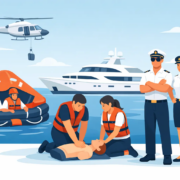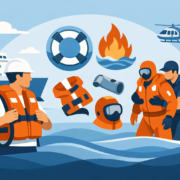
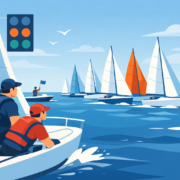
Regatta Racing for Beginners: First Start

Regatta Racing for Beginners: First Start

The first time you approach a crowded start line, the water can feel very small. Boats are trimming sails, calling for room, watching flags, and positioning for the best lane. That energy is exactly what makes regatta racing for beginners so rewarding. You do not need to arrive as an expert racer. You need sound boat handling, a willingness to learn, and a crew that communicates clearly when the pressure rises.

A regatta is not simply a fast sail around buoys. It is a practical test of preparation, awareness, teamwork, and decision-making. In Antigua, where steady trade winds, warm water, and an active yachting community create outstanding racing conditions, a first race can quickly become the beginning of a much bigger sailing journey.

What to Expect at Your First Regatta

Most regattas begin well before the first starting signal. There may be registration, a skipper briefing, safety checks, and race documents explaining the course area, class divisions, start times, communications, and local rules. Read the official notice and sailing instructions carefully. They are the working documents for the event, and they override assumptions picked up from casual sailing.

On the water, racing is usually organized by class. Your fleet may start alongside similar boats, either under a handicap system or as a one-design class where every boat is substantially alike. A handicap fleet can bring together different yachts and rewarding tactical variety. One-design racing is often more direct, because small differences in steering, trim, and crew work are immediately visible.

Expect a course made up of marks, often with an upwind leg, a reach, and a downwind run. The race committee will signal the course and the starting sequence with flags and sound signals. Do not try to memorize every possible signal from a book on your first day. Instead, know the sequence used by your event, assign one person to watch the committee boat, and confirm the plan aloud within the crew.

Regatta Racing for Beginners Starts Before the Gun

The strongest beginner crews are rarely the ones shouting the loudest at the start. They are the crews who arrive organized. Prepare the boat before leaving the dock, when there is time to solve simple problems without an audience.

Check that sails, sheets, halyards, winches, safety gear, drinking water, sunscreen, and communication equipment are ready for use. Agree on where equipment is stored and keep cockpit areas clear. A loose line at the wrong moment can distract a helmsperson or delay a tack when boats are close together.

Crew roles should be simple and specific. One person helms, one handles headsail trim, one calls time and watches the starting sequence, and another monitors nearby boats and tactical opportunities. On a larger yacht, roles may be more specialized. On a smaller boat, one sailor may cover several jobs. The important point is that everyone knows who makes the final call when a maneuver is needed.

Before the start, sail the course area. Look for wind shifts, gusts, current, wave direction, shallow areas, and the location of the committee boat. If conditions allow, practice a few tacks and gybes so the crew can settle into a rhythm. A good warm-up also reveals whether the boat is balanced and whether a sail needs adjustment.

The Start Line: Focus on Space, Not Heroics

A clean start is valuable, but a dramatic last-second charge at the favored end is not always the right choice for a new racing crew. The start line is the most congested part of the race. Boats may be maneuvering slowly, protecting their wind, or trying to force competitors away from the line. A small error can become a collision risk, an early-start penalty, or a long recovery.

Your first objective is to cross the line after the start signal with clear air and enough room to sail your chosen course. If the busy end of the line is crowded, starting slightly farther down can be the smarter decision. You may give up a little theoretical advantage but gain clean wind, control, and a safer first beat.

Learn the line before the sequence begins. Sail along it if permitted, identify the committee boat end and pin end, and note which end appears favored by wind angle. Then give yourself a conservative approach. It is far better to start a few seconds late with speed than to be over early, stopped behind another boat, or trapped without room to maneuver.

Communication must be short and useful. Calls such as “boat to leeward,” “two minutes,” “tack in ten,” or “clear behind” help the crew act quickly. Long explanations belong before the race or after it. At the start, clear information beats clever commentary.

Boat Speed Comes From Balance and Consistency

Beginners often focus entirely on pointing higher or steering directly at the next mark. In reality, speed comes from keeping the boat balanced and the sails working. A boat that is overpowered, heeling heavily, and constantly correcting course may look aggressive but often loses distance.

Upwind, steer a steady angle that keeps the sails drawing well. Ease slightly in gusts if needed, flatten the boat with crew weight and trim adjustments, and avoid pinching too high into the wind. Downwind, look for a stable sail shape and smooth steering rather than dramatic movements. Small, consistent gains add up across a race.

Tacking and gybing are places where novice crews often lose ground. Practice a repeatable sequence: call the maneuver, check for traffic, prepare the sheets, turn smoothly, trim promptly, and settle the boat onto the new course. Rushed maneuvers create tangled lines, luffing sails, and lost speed. A controlled tack that costs one boat length is usually better than a hurried one that costs five.

Rules and Safety Are Part of Good Racing

Racing rules are not decoration. They allow many boats to compete in close quarters with a shared understanding of who must keep clear and when. Learn the basic right-of-way concepts before racing: port and starboard tack, windward and leeward boats, room at marks, and the need to avoid contact at all times.

The details can become technical, particularly at marks and in close tactical situations. For a beginner, the best approach is conservative. If you are uncertain, give room, keep clear, and discuss the situation after the race with an experienced skipper or instructor. Protecting people and equipment matters more than gaining one place.

Wear appropriate flotation equipment, protect yourself from sun and dehydration, and dress for the conditions rather than the dock. Caribbean racing can be warm, but wind, spray, and long hours on the water still demand proper preparation. If the weather builds beyond your crew’s comfort or experience, retiring is a sensible seamanship decision, not a failure.

Improve Between Races, Not Just During Them

A regatta is one of the fastest ways to learn because every leg gives you feedback. After racing, take ten minutes with the crew while events are fresh. Discuss where boat speed felt good, where communication broke down, whether the start plan worked, and which maneuvers need practice.

Keep the review constructive. “We lost time during the second gybe because the sheet was not ready” is useful. “That was terrible” is not. Racing should build competent sailors who can analyze conditions and improve together.

Formal training can accelerate that process. Courses that develop helming, sail trim, close-quarters handling, passage planning, and confidence under pressure provide a strong foundation before competitive sailing. At Ondeck Sailing, sailors can progress from practical skill building into Caribbean regatta experiences with instruction that keeps seamanship at the center of the excitement.

Your first result may not be the one you hoped for, and that is perfectly normal. Finish the race, learn the sequence, help your crew, and notice how much more familiar the start line feels by the final gun. The next time the flags go up, you will not be watching racing from the outside. You will be part of it.
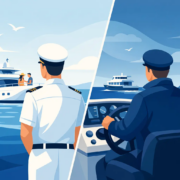

Charter Licence vs Boatmaster: Which Fits You?

Charter Licence vs Boatmaster: Which Fits You?

A paid day sail out of Antigua is not the same job as taking responsibility for a commercial vessel, its crew, passengers, safety procedures, and passage plan. That is the real question behind charter licence vs boatmaster. Both can support commercial work on the water, but they are designed for different operating roles, levels of responsibility, and career ambitions.

For a skipper building a Caribbean charter business, choosing the right route affects more than what appears on a certificate. It can shape where you are permitted to operate, the vessels you can command, the work you can accept, and what employers, insurers, and local authorities expect to see.

Charter Licence vs Boatmaster: The Core Difference

A Charter Licence is generally a practical commercial qualification for people who want to run charter operations. Think crewed day charters, sightseeing trips, snorkeling excursions, sailing holidays, water-based tourism, or private yacht work within an approved area. The focus is on safe, competent operation with paying guests aboard.

A Boatmaster qualification is typically aimed at a broader level of professional vessel command. It is often relevant to operators of commercial vessels carrying passengers, working in marine transport, operating tourism boats, or taking on responsibility in a more regulated commercial environment. The exact privileges can vary significantly by issuing authority, vessel type, route, and local regulations.

That distinction matters. A Charter Licence may be the direct, efficient route for someone whose work is centered on charter guests. Boatmaster training may be better suited to someone seeking wider commercial responsibility, a role in marine tourism or transport, or a professional progression beyond yacht charter work.

Neither qualification is automatically “better.” The right choice is the one that matches the vessel, waters, passengers, and commercial operation you intend to run.

Start With the Work You Want to Do

Before comparing course schedules or certificate titles, be precise about your intended operation. Are you planning to skipper sailing charters for visitors between Antigua’s beaches and anchorages? Do you want to run a powerboat carrying passengers to offshore islands? Are you applying for work with an excursion company, a resort, a water-sports business, or a marine transport operator?

A Charter Licence is often a strong fit when the work is guest-facing and charter-led. You need to be able to plan a safe trip, assess weather and sea state, brief passengers, manage emergencies, navigate local waters, and return everyone safely while delivering an excellent day on the water. Hospitality matters, but it does not replace seamanship. A commercially capable charter skipper must manage both.

Boatmaster training may make more sense where the job calls for formal command responsibility across a wider commercial setting. This can include passenger vessels, local transportation, tourism operations, workboats, tenders, or other vessels where the operator has a defined legal duty to crew, cargo, passengers, and vessel safety.

The question is not simply, “Do I want to be a captain?” It is, “What vessel will I command, where will I operate, and under which authority?”

Why Local Rules Matter More Than the Certificate Name

Marine qualifications are not universally interchangeable. A certificate that is accepted for one type of charter work may not meet the requirements for another operation, even within the same country. Local licensing authorities, port authorities, vessel registration requirements, commercial codes, insurers, and employers can all set conditions.

For example, the required qualification may depend on whether your vessel is sail or power, how many passengers it carries, whether it operates by day or at night, how far it travels offshore, and whether it is registered locally or abroad. A company operating a passenger excursion boat may have obligations that go beyond the skipper’s license, including safety equipment, crew training, radio certification, emergency procedures, and inspection requirements.

This is why a course should never be selected from its name alone. Confirm the license requirements with the authority that governs your intended operation before enrolling. If you are being hired, ask the employer exactly which credentials they recognize. If you are launching your own business, check the vessel’s commercial requirements alongside your personal qualification.

A clear answer before training can save time, money, and a frustrating gap between being capable on the water and being legally ready to work.

Skills You Can Expect to Build

Both routes should strengthen practical command skills, but the emphasis can differ. A Charter Licence course is likely to be highly relevant to the daily realities of guest operations: passage planning, local navigation, collision regulations, anchoring, docking, man-overboard recovery, weather decisions, safety briefings, and professional conduct with clients aboard.

Boatmaster training may place greater weight on commercial command, vessel management, crew leadership, operational responsibility, regulatory awareness, and the systems required to carry passengers or work professionally. Depending on the program and level, candidates may need to demonstrate a sound grasp of chartwork, tides, navigation, seamanship, emergency response, and practical boat handling under assessment.

In either case, the certificate should be the result of real competence rather than a shortcut. Caribbean conditions are ideal for building that competence, but they still demand judgment. Trade winds, squalls, reefs, busy anchorages, changing sea states, and unfamiliar guests can test even experienced skippers.

The strongest training combines clear professional standards with substantial time at the helm. You should leave able to explain your decisions, not just repeat procedures.

Experience and Supporting Qualifications

A license rarely stands alone in commercial yachting. Employers and authorities may also look for logged sea time, medical fitness, VHF radio qualifications, first aid, fire safety, sea survival, security training, or STCW certification. The requirements depend on the operation, but commercial readiness is usually built in layers.

If you are early in your sailing career, practical courses such as RYA sailing or motor training can establish a strong base before you move into commercial licensing. If you already have experience, your next step may be refining command skills, meeting local certification standards, or adding safety qualifications that make you employable.

For aspiring professionals, do not underestimate the value of documented experience. A well-kept logbook shows the waters you have sailed, the boats you have handled, the conditions you have encountered, and the responsibility you have carried. It also helps an instructor identify whether you are ready for assessment or would benefit from more preparation first.

At Ondeck Sailing, that progression can be built around practical Caribbean time on the water, professional safety training, and qualifications aligned with your intended role. The goal is not simply to collect certificates. It is to become the person a captain, employer, insurer, and guest can trust when conditions change.

Choosing the Right Route for Your Career

Choose a Charter Licence when your clearest goal is operating charter trips and delivering safe, professional guest experiences. It is particularly relevant if you see yourself working on day sails, private charters, sailing excursions, and tourism-focused boats where local charter authorization is the key requirement.

Consider Boatmaster when you want a wider commercial command profile, expect to work with passenger-carrying or operational vessels, or need a credential that aligns with a local maritime authority’s standards for professional boat operation. It may also be the more suitable path for professionals moving toward management responsibility in a tourism, transport, or marine-services business.

There are situations where completing both makes sense. A skipper may need a Charter Licence to meet a specific local requirement while pursuing Boatmaster training to expand commercial opportunities. Another may begin in charter work and later move into passenger operations, resort marine departments, or vessel management.

What matters is sequencing. Start with the qualification that allows you to perform your next real job safely and legally, then build from there. Training is most valuable when it creates momentum rather than leaving you with a credential that does not match your operation.

Questions to Answer Before You Enroll

Ask yourself four practical questions: What type of vessel will I run? Where will I operate? Will I carry paying passengers? What qualification does the local authority, employer, or insurer require?

Then consider the experience behind the answer. If your ambition is to captain a charter yacht in Antigua next season, a targeted Charter Licence route with relevant practical training may be exactly what you need. If you want long-term commercial command opportunities across marine tourism or passenger operations, Boatmaster may offer the stronger foundation.

The Caribbean rewards confident skippers, but confidence has to be earned through sound instruction, real practice, and respect for the responsibility that comes with taking people to sea. Choose the license that fits your next voyage, and train to be ready for the one after it.

Captain Licence or Commercial Licence: Which One?

Captain Licence or Commercial Licence: Which One?

A skipper taking friends around Antigua has a very different responsibility from the person paid to run a charter, move guests between islands, or manage a commercial vessel. That distinction is at the center of the captain licence or commercial licence decision. Both can build real confidence and on-water capability, but they are designed for different operating roles, different levels of accountability, and often different legal requirements.

The right choice is not simply the higher-sounding credential. It is the qualification that matches the vessel, waters, passengers, employer, and type of work you intend to do. Choose well, and your training becomes a practical route into better sailing, charter opportunities, or a professional maritime career.

Captain Licence or Commercial Licence: Start With the Job

A captain’s licence is generally the route for someone who will take command of a vessel. Depending on the issuing authority and the endorsement held, it can support skippering private yachts, charter boats, excursion vessels, or other operations within stated limits. Those limits may cover vessel size, distance from shore, operating area, passenger capacity, or the kind of voyage permitted.

A commercial licence is often broader in its purpose. It is aimed at people working in the maritime sector, whether they are captains, crew, charter operators, watersports staff, marine transport personnel, or employees whose duties put them on a vessel carrying passengers or operating for hire. It can show that you have met the professional standards required for commercial activity, rather than simply demonstrated recreational competence.

The terminology can be misleading because there is no single global definition. One country’s captain’s licence may be a specific legal credential, while another program may use the term for a practical certificate of competence. A commercial endorsement may be added to an existing qualification, or it may require a separate course, sea time, medical assessment, safety training, and examination.

Before enrolling, define the work in plain language. Are you planning to skipper a bareboat charter? Run day trips with paying guests? Work as crew on a yacht? Operate a water taxi? Move into a management role at a watersports or tourism business? The answer points to the right training path.

What a Captain’s Licence Is Best For

A captain’s licence is the natural choice when your primary ambition is command. You want to be the person responsible for passage planning, crew briefings, vessel handling, navigation, weather decisions, maintenance awareness, and the safety of everyone aboard.

For an aspiring charter skipper, the practical value is clear. Guests do not only expect a beautiful anchorage and a smooth sail. They expect a skipper who can assess conditions, organize the boat, anchor securely, handle close-quarters maneuvering, and make a conservative call when the weather changes. Training for command develops these habits under instruction, where errors become lessons rather than incidents.

A captain-focused route can also suit experienced recreational sailors who want more formal recognition of their skills. Perhaps you have sailed regularly with family, completed recreational courses, or logged significant time as competent crew. A captain’s qualification can give structure to that experience and identify the areas that still need work, such as night navigation, collision regulations, emergency procedures, or passage planning.

That said, a captain’s licence does not automatically authorize every paid role. If you receive payment, carry passengers for hire, work for a charter company, or operate in a regulated tourism environment, you may need commercial certification or additional endorsements. The certificate title alone is not enough. Its stated privileges and the local rules matter.

Command Means More Than Driving the Boat

The difference between a capable sailor and a capable captain is judgment. A captain must balance schedule pressure against sea state, guest expectations against safety margins, and the desire to keep moving against the need to wait. This is especially relevant in the Caribbean, where trade winds, reefs, busy anchorages, and short inter-island passages reward sharp situational awareness.

Strong captain training should therefore cover more than boat handling. Look for navigation, rules of the road, watchkeeping, safety drills, communications, passage planning, and decision-making. If your goal is professional command, practical assessment in real conditions carries substantial weight.

When a Commercial Licence Makes More Sense

Choose a commercial licence pathway when your work is commercial by nature, even if you are not yet the person in command. Marine employers often need staff who understand professional operating standards, passenger care, risk management, safety procedures, and the responsibilities that come with working around vessels.

This route is particularly relevant for charter crew, tourism operators, watersports instructors, tender drivers, transport teams, and people entering the yachting industry from another career. It helps show an employer that you can function within a professional operation, follow procedures, and contribute to a safer working vessel.

Commercial training frequently sits alongside other required credentials. Basic safety and security instruction, first aid, firefighting, survival training, radio operation, medical fitness, and documented sea service may all be part of the picture. The exact combination depends on where you will work and what you will do.

For a business, commercial licensing is also a risk-management decision. A company that operates charters, excursions, water taxis, or watersports activities needs staff training that matches its real operation, not a generic certificate that looks impressive in a file. Bespoke instruction can be valuable when teams need to practice their own vessel procedures, guest scenarios, emergency roles, and operating area.

Compare the Commitment Before You Commit

The captain licence or commercial licence choice often comes down to four practical questions: authority, operating limits, prerequisites, and progression.

Authority is about what you will be trusted to do. A captain’s route centers on taking command, while commercial training may prepare you for paid employment, professional crew duties, or regulated commercial operations. Some careers require both, especially as you progress from crew to skipper or from small local vessels to larger yachts.

Operating limits are the fine print that protects you and your employer. Ask whether the qualification applies to sail or power, private or commercial use, day or night operations, local waters or offshore passages, and vessels of a particular size. Do not assume that a qualification earned for one purpose transfers automatically to another.

Prerequisites can affect timing. A more advanced command credential may require logged sea miles, prior certificates, navigation theory, or a minimum age. Commercial pathways may call for medical documentation, safety courses, background paperwork, or proof of experience. Planning these requirements early prevents a frustrating delay when a job opportunity appears.

Progression matters because the first certificate should not become a dead end. Someone new to sailing may begin with practical training and build toward a bareboat, charter, or captain qualification. An experienced deckhand may need commercial safety credentials now, then work toward a higher command ticket as sea time grows. The strongest plan meets today’s requirement while creating a credible next step.

Training in Antigua Adds Real-World Value

Learning in Antigua brings more than warm water and clear horizons. It places your skills in an active sailing environment where you can practice navigation, anchoring, sail handling, maneuvering, and crew communication in conditions that feel relevant to real Caribbean cruising and charter work.

The setting also encourages the right kind of confidence. Trade-wind sailing, coastal passages, reef awareness, and busy yachting areas demand attention without requiring a student to learn only in extreme conditions. You can develop sound habits, then apply them on the type of boat and route you may actually work or cruise.

Ondeck Sailing supports both recreational sailors and working professionals with practical sailing, maritime safety, Caribbean Boatmaster, and licensing pathways. The most useful starting conversation is not “Which certificate is fastest?” It is “What do you want to be legally qualified and genuinely prepared to do?”

Questions to Ask Before Booking

Ask the training provider which authority issues the qualification and where it is recognized. Confirm whether it is accepted for private use, commercial work, or both. Request a clear explanation of any vessel-size, distance, passenger, or operating-area restrictions.

You should also ask what additional credentials may be needed for your target job. A skipper role may require safety training and medical fitness alongside a command qualification. A charter operation may have local licensing obligations that sit beyond an internationally recognized course. If you plan to work outside the Caribbean, check the requirements of the flag state, port state, employer, and insurer before making assumptions.

Finally, be honest about your experience. A short course can be a valuable step, but it cannot replace time on the water. The best professional mariners continue to log miles, practice emergency drills, learn from experienced skippers, and seek the next level of training when their responsibilities expand.

Your licence should open the right door, not merely add a line to your resume. Choose the pathway that reflects the work you want to do, train to the standard the sea demands, and let every passage build the judgment that makes a trusted skipper or commercial operator.

Maritime Safety Courses for Confident Crew

Maritime Safety Courses for Confident Crew

A fire alarm at sea, a person overboard, a medical emergency, or a sudden squall leaves no room for uncertainty. Maritime safety courses give crew, skippers, and marine businesses the practiced response required when conditions change fast. They are not simply certificates for a file. Done properly, they build calm decision-making, useful habits, and the confidence to act as part of a capable team.

For anyone working toward a role on yachts, charter boats, passenger vessels, watersports operations, or commercial marine transport, formal safety training is often a practical requirement. For recreational sailors, it is just as valuable. The Caribbean rewards good seamanship with extraordinary passages, anchorages, and regatta days, but warm water does not make the sea predictable.

What Maritime Safety Courses Actually Teach

The right course depends on where you intend to operate and what role you will hold. A deckhand joining a commercial yacht needs a different qualification pathway than an owner preparing for family cruising. A charter company may need team-wide procedures that go beyond any one crew member’s certificate.

At the foundation of professional training are STCW safety courses. STCW stands for Standards of Training, Certification and Watchkeeping, an international framework used across commercial shipping and much of the yacht industry. Basic safety training commonly covers personal survival techniques, fire prevention and firefighting, elementary first aid, and personal safety and social responsibilities.

Those subjects sound straightforward until they are practiced under pressure. Donning a lifejacket correctly, entering the water safely, using survival equipment, handling a fire extinguisher, and communicating during an emergency all require more than a briefing. The value comes from repetition, correct sequencing, and understanding how individual actions affect the whole vessel.

Security training may also be required, particularly for crew employed on commercial vessels. Depending on the position and vessel, this can include security awareness or training for personnel with designated security duties. Requirements vary by flag state, employer, vessel type, and intended employment, so it is wise to confirm the exact certificate needed before booking.

Safety Training for Sailors Is More Than STCW

STCW is central for many professional routes, but it is not the only safety education that matters. Recreational sailors and progressing skippers benefit from practical training integrated into sailing and motor courses. This is where emergency procedures become part of normal boat handling rather than a separate classroom subject.

A well-structured practical course develops habits such as checking weather windows, fitting and using safety equipment, preparing a passage, assigning watch responsibilities, reducing sail early, managing man-overboard situations, and making a timely call for assistance. These skills are relevant whether you are taking friends around Antigua, chartering in the Grenadines, or building sea time toward a higher qualification.

RYA practical and theory courses can form a clear progression for sailors who want to develop those capabilities methodically. Theory training strengthens navigation, tidal planning, collision regulations, weather interpretation, and passage planning. Practical instruction puts that knowledge to work on the water. Neither replaces formal commercial safety certification when it is required, but together they create a more rounded and dependable skipper.

For Caribbean operators, regional licenses and qualifications can be equally relevant. A Caribbean Boatmaster program, for example, can support those operating professionally in the region, subject to the authority, area of operation, and vessel category involved. The best route is never chosen by the most impressive course title alone. It should match the waters you will work in, the vessel you will operate, and the responsibility you expect to carry.

Choosing the Right Maritime Safety Course Path

Start with the job or voyage, not the certificate. Someone seeking their first deckhand role may need STCW Basic Safety Training and security training before applying for positions. A charter skipper may need a combination of recognized practical qualifications, local licensing, commercial endorsements, and current safety certificates. A recreational sailor may be better served by a practical course that builds command skills before adding specialist safety modules.

Ask four direct questions before committing to a program:

  • Is this qualification accepted by the employer, regulator, flag state, or charter operation I am working with?
  • Does the course include practical assessment, realistic equipment use, and instructor feedback?
  • What prerequisites, medical standards, sea-time records, or refresher requirements apply?
  • How does this course fit into my next step, whether that is competent crew, skipper, commercial work, or Yachtmaster preparation?

The answers prevent a common and expensive mistake: collecting certificates that do not form a coherent route. A strong training provider should be able to explain the difference between a recreational credential, a commercial safety requirement, and a local operating license without overselling any one of them.

Why Practical Training Matters in the Caribbean

Antigua offers exceptional training conditions, but that does not mean training is easy. Trade winds, open-water passages, reef awareness, busy anchorages, and changing sea states create the kind of real operating environment that develops judgment. Students learn to make decisions while managing a boat, crew communication, and time pressure, not from a desk alone.

That setting is especially useful for sailors moving from occasional day trips to longer cruising or professional work. A passage plan has to account for weather, fuel, navigation hazards, crew readiness, and a safe alternative if the original plan no longer works. The core lesson is simple: good seamanship begins before leaving the dock and continues until the vessel is secured.

There is a balance to strike. Warm, clear conditions can make water-based drills more approachable for first-time trainees, while professional standards must remain uncompromising. Training should be engaging, but it should also make people comfortable admitting what they do not yet know. The crew member who asks early questions is often safer than the one who assumes experience in one setting automatically transfers to another.

Training Marine Teams, Not Just Individuals

Tourism operators, watersports businesses, charter companies, and transport providers carry a duty that extends beyond individual certificates. A team can hold all the right paperwork and still struggle if emergency roles, communication methods, equipment checks, and reporting procedures are unclear.

This is where bespoke maritime safety training has real value. Rather than treating training as an annual compliance task, businesses can focus on the risks present in their operation. A dive or watersports team may prioritize casualty recovery and guest briefings. A charter operation may focus on fire response, abandon-ship readiness, tender safety, and handovers between crew. A marine transport business may need procedures that reflect passenger management, route conditions, and shore-side coordination.

The most useful sessions test how people work together. Who makes the radio call? Who accounts for guests? Who retrieves emergency equipment? Who takes command if the usual skipper is injured? Clear answers, practiced regularly, turn procedures into action.

Keeping Your Credentials and Skills Current

Safety competence has a shelf life if it is not used. Some certificates have formal validity periods or refresher expectations, while others may remain valid but still need renewal in the eyes of an employer or insurer. Regulations also change, so crew should keep accurate digital and physical records of certificates, medical documentation, sea time, and course completion dates.

More importantly, revisit the skills. Review the vessel’s safety plan when joining a new boat. Locate extinguishers, life rafts, grab bags, flares, first-aid equipment, and emergency shutoffs before departure. Run man-overboard and abandon-ship discussions with the crew, then make them practical. A five-minute safety brief before a charter can prevent confusion when seconds matter.

Ondeck Sailing brings professional maritime training together with practical sailing in Antigua, helping crew and skippers build qualifications in the same waters where sound judgment is tested every day. The aim is not to make the sea feel risk-free. It is to prepare people to meet it with discipline, awareness, and respect.

Choose training that fits the work or sailing you genuinely plan to do, then give yourself enough time to practice what you learn. The next calm Caribbean departure is the right moment to start building the habits that will matter when it is no longer calm.

Commercial Endorsement Explained Guide for Sailors

Commercial Endorsement Explained Guide for Sailors

A qualification can prove that you can handle a yacht. A commercial endorsement helps show that you are prepared to use that qualification in a professional role. This commercial endorsement explained guide sets out what the endorsement is, what it is not, and how to prepare for the requirements without losing sight of the practical seamanship behind the paperwork.

For aspiring yacht crew, charter skippers, watersports professionals, and career-switchers, the distinction matters. A recreational certificate opens the door to more capable sailing. A commercial endorsement can help turn that competence into paid work, subject to the vessel, operating area, insurance, flag-state rules, and employer requirements.

What Is a Commercial Endorsement?

A commercial endorsement is an addition to an eligible RYA certificate that allows the holder to use it commercially within its stated limits. It is commonly relevant to people working on small commercial vessels, yachts, charter boats, sailing schools, and support craft.

It is not a stand-alone captain’s license, and it does not automatically authorize every type of paid work on every vessel. Its value depends on the certificate being endorsed. A Day Skipper Practical certificate, for example, carries a different level of responsibility from Yachtmaster Offshore. The operational limits of the underlying certificate remain central.

The endorsement also does not override local licensing or flag-state regulations. A Caribbean charter operator, a UK-coded yacht, and a privately owned vessel working internationally may each have different compliance expectations. Before accepting a role, confirm what the vessel’s flag, coding, insurance policy, and employer require.

Commercial Endorsement Explained: Who Needs One?

You may need a commercial endorsement if you intend to receive payment for skippering or crewing in a role where an RYA qualification is being used as evidence of professional competence. Typical examples include running day charters, delivering yachts, instructing where the role permits, working as a mate or skipper on a small yacht, or operating a tourism vessel within the privileges of your certificate.

Many sailors first consider endorsement after completing RYA Day Skipper, Coastal Skipper, Yachtmaster Coastal, or Yachtmaster Offshore. The right point in your progression depends on the job you want. Someone leading short, sheltered charter trips has different needs from a skipper seeking offshore delivery work or command responsibilities on larger yachts.

For that reason, the best route is rarely to collect qualifications quickly. Build the certificate level, sea time, navigation skill, and professional safety training that match the work you plan to undertake. Employers can spot the difference between a candidate who has met a minimum requirement and one who can manage a vessel, crew, guests, weather, and changing conditions with calm judgment.

The Core Requirements to Expect

The exact application process and accepted certificates can change, so always verify the current RYA and Maritime and Coastguard Agency requirements before submitting an application. In most cases, applicants should expect to provide a valid medical certificate, recognized survival training, current first-aid training, and evidence that they have completed the RYA Professional Practices and Responsibilities course.

Medical fitness

Commercial work requires a medical assessment because the job may involve physical effort, watchkeeping, emergency response, and time away from shoreside support. Depending on your role and operating area, this may be an ENG1 medical or an ML5 medical declaration and certificate.

Which medical is appropriate is not a detail to guess at. An ENG1 is often expected for seafarers on commercial vessels, while an ML5 may be suitable in certain limited circumstances. Your employer, vessel operator, or certifying authority should confirm the required standard before you book an appointment.

Sea survival and safety training

A commercial endorsement normally requires approved sea-survival training or an accepted equivalent. This is more than a box to tick. A cold-water entry, a life raft drill, a flare exercise, or a realistic abandonment scenario changes how a sailor responds when an incident stops being theoretical.

For professional yacht and charter work, additional STCW Basic Safety Training may also be required or strongly preferred. This can include personal survival techniques, fire prevention and firefighting, elementary first aid, and personal safety and social responsibilities. Security awareness training may be relevant too, particularly for crew working on larger yachts or vessels with specific security obligations.

First aid

A current first-aid certificate is another common requirement. On a yacht or charter boat, the nearest clinic may be several miles away, across an island, or unavailable because conditions have closed a harbor. A capable skipper needs to recognize when a situation can be managed onboard, when to seek advice, and when an evacuation is necessary.

Professional Practices and Responsibilities

The RYA Professional Practices and Responsibilities course, often called PPR, is designed to cover the legal and professional responsibilities that come with commercial operation. It addresses topics such as manning, safety management, employment, pollution prevention, and the limits of your authority.

That knowledge is essential because commercial work adds a layer of duty beyond good boat handling. When guests, paying customers, crew contracts, and vessel compliance are involved, a skipper must make decisions that protect people, the vessel, and the business.

Choose the Certificate Before You Pursue the Endorsement

The endorsement should follow your career plan, not lead it. Start by defining the work you want to do over the next one to three seasons.

If you want to skipper holiday charters in daylight and close to a safe haven, an entry-level commercially endorsed practical certificate may be appropriate where accepted. If you want broader coastal command, deliveries, more demanding passages, or a stronger position in the yacht industry, Coastal Skipper or Yachtmaster training may be the better path. For offshore ambitions, the experience, passage planning, watchkeeping, and command standards become substantially more demanding.

There is a trade-off. Advancing too early can leave gaps in real-world experience. Waiting too long may mean missing work opportunities you are already capable of handling. The strongest progression combines formal training with purposeful sea time: different boats, varied weather, night passages, marina maneuvers, navigation under pressure, and responsibility for real crews.

At Ondeck Sailing, this can mean combining RYA practical progression with theory, STCW safety training, and time on the water in Antigua’s steady trade-wind conditions. The setting is remarkable, but it is also practical. Warm water and clear visibility are useful for drills, while open-water passages and busy harbors provide the decision-making experience professional sailors need.

A Practical Preparation Plan

Begin by checking that your target RYA certificate is eligible for commercial endorsement and that it reflects the work you intend to perform. Then review the application requirements as a complete package rather than treating each item separately.

Book the medical early, especially during busy yachting seasons when appointments can be limited. Confirm that your sea-survival and first-aid certificates are accepted and in date. Complete PPR if it is required for your application, and retain clear copies of every certificate, medical, and identity document.

It is also wise to prepare for the employment side of the transition. Keep a concise sailing resume with vessel types, sea miles, routes, responsibilities, qualifications, and references. Record your experience accurately. A well-maintained logbook can be as persuasive as a certificate when an operator is choosing between candidates.

Finally, ask a direct question before you commit to a job: what certification, medical, safety training, and insurance conditions does this specific role require? That conversation can prevent expensive assumptions, particularly when moving between private yachts, charter operations, watersports businesses, and different jurisdictions.

Keep Your Endorsement Current

A commercial endorsement is typically time-limited and must be renewed. Renewal requirements may include maintaining a valid medical, first aid, and survival training, along with any current professional requirements set by the RYA or MCA.

Do not leave renewal until the week before a contract begins. Medical appointments, course availability, and document processing can take longer than expected, especially in high season. Set calendar reminders well ahead of expiry dates and keep digital and printed copies of your documents ready for an employer or vessel manager.

A commercial endorsement is most useful when it sits behind genuine command ability. Train for the role you want, maintain your safety credentials, and keep building sea time in conditions that ask more of you. The Caribbean may provide the setting, but professional confidence comes from being ready when the wind rises, the schedule changes, or your crew looks to you for the next decision.

RYA Day Skipper Explained for Caribbean Sailors

RYA Day Skipper Explained for Caribbean Sailors

Taking charge of a yacht changes the way you see a Caribbean anchorage. You are no longer simply choosing where to swim or when to set sail. You are reading the weather, planning the route, briefing the crew, and making sound decisions before the trade winds build. This RYA Day Skipper explained guide sets out what the qualification really involves, what it allows you to do, and whether it is the right next move for your sailing.

What Is the RYA Day Skipper Qualification?

RYA Day Skipper is a practical sailing qualification for sailors ready to take responsibility for a small cruising yacht in familiar waters during daylight hours. It sits at a pivotal point in the RYA training pathway: beyond learning to be a capable crew member, but before the more advanced demands of coastal and offshore skippering.

The course is designed to develop practical command, not just boat handling. A Day Skipper must be able to plan and execute a short passage, navigate safely, manage people aboard, and react calmly when conditions or plans change. You will work with real charts, tide and weather information, navigation aids, engine checks, sail plans, and the everyday decisions that make a yacht safe and enjoyable to run.

For many recreational sailors, the qualification is the route toward skippered charters, sailing holidays with family or friends, and greater confidence aboard. For aspiring marine professionals, it is often a valuable early credential that establishes the practical foundation for further RYA and commercial training.

RYA Day Skipper Explained: Theory and Practical Training

The RYA Day Skipper pathway has two connected elements: theory and practical training. They can be completed separately, but they work best together.

The Day Skipper theory course teaches the navigation and passage-planning knowledge a skipper needs before leaving the dock. You will cover chartwork, position fixing, tidal calculations, weather forecasting, collision regulations, course-to-steer calculations, and electronic navigation. It is detailed because navigation becomes meaningful when you can use it under pressure, rather than simply recognize the symbols on a chart.

The practical course puts those skills on the water. Usually completed over five days, often aboard a liveaboard training yacht, it gives each student the opportunity to take the skipper’s role. You will plan passages, allocate jobs, handle the yacht under sail and power, pilot into anchorages and marinas, and learn how to make decisions with the crew’s safety at the center.

A Caribbean course adds a valuable real-world setting. Warm water and consistent trade winds make for rewarding sailing, but they do not remove the need for good seamanship. Reefs, squalls, busy anchorages, local weather patterns, and close-quarters maneuvering all demand attention. Training in Antigua gives sailors the chance to apply RYA standards in an active cruising environment rather than a classroom simulation.

What You Will Be Able to Do

By the end of a successful practical course, you should be able to skipper a small yacht on daytime passages in familiar waters with confidence appropriate to the conditions. That means preparing the boat and crew properly, choosing a safe route, keeping an effective watch, and knowing when to slow down, seek shelter, or change the plan.

The course develops competence across the core areas of day-to-day yacht command:

  • Passage planning, including weather, tides, hazards, fuel, timings, and alternative destinations.
  • Pilotage and navigation using charts, visual marks, depth information, and electronic aids.
  • Sail handling, reefing, anchoring, mooring, and maneuvering under power.
  • Safety procedures, man-overboard recovery, use of safety equipment, and emergency awareness.
  • Crew management, clear communication, watchkeeping, and decision-making.

The certificate is not a guarantee that every charter company, insurer, or local authority will treat you the same way. Their requirements depend on vessel size, cruising area, local rules, and the experience of the named skipper. The practical value of RYA Day Skipper is that it provides a recognized benchmark while giving you the skills to build experience responsibly.

Who Is the Course For?

Day Skipper is best suited to sailors who have already spent meaningful time afloat and want to move from crewing to leading. You may have completed RYA Competent Crew, gained experience on friends’ boats, joined flotillas, or sailed regularly as an active crew member. What matters is that you are ready to take responsibility, not that you already have every answer.

The usual practical-course prerequisites include at least five days aboard, 100 nautical miles, four hours of night sailing, and 15 days of sailing experience. Day Skipper theory knowledge is strongly recommended because the practical course moves quickly. If you cannot yet plot a position, calculate a course, interpret a forecast, or understand the Collision Regulations, you may spend too much of the week catching up instead of developing skipper judgment.

There is also a difference between being comfortable on a boat and being ready to command one. A confident helmsperson may still need to develop planning and leadership. Conversely, a quieter sailor with strong preparation can become an excellent skipper. The course helps reveal where your strengths are and where more mileage will help.

What the Course Is Not

The RYA Day Skipper certificate is a serious achievement, but it is not a license to operate any yacht anywhere in any conditions. Its scope is deliberately limited to familiar waters and daylight. Night passages, challenging weather, unfamiliar coastlines, and longer coastal routes call for more experience and, often, further training.

It is also not an automatic commercial qualification. If your goal is paid work on yachts, charter boats, or in watersports and tourism, you may need additional qualifications such as STCW basic safety training, medical certification, radio qualifications, commercial endorsements, or higher-level RYA tickets. The right route depends on the role, flag state, employer, and operating area.

Think of Day Skipper as the moment you become accountable for the whole boat, while still recognizing the value of sensible limits. Strong skippers do not prove themselves by pressing on. They prove themselves by assessing risk early and making the right call for their crew and vessel.

Day Skipper Sail or Motor?

The RYA offers Day Skipper training for both sail and motor. The navigation, safety, pilotage, and leadership principles overlap, but the boat-handling focus is different.

Choose the sailing route if you want to cruise monohulls or catamarans under sail, charter a sailboat, or progress toward sailing qualifications such as Coastal Skipper and Yachtmaster. Choose the motor route if your future is centered on powerboats, motor cruisers, transfers, or commercial motor operations.

If you expect to charter in the Caribbean, consider the type of vessel you genuinely plan to use. Catamarans are popular for their space and stability, yet they still require sound close-quarters handling, anchoring discipline, and careful passage planning. A certificate supports your application, but recent, relevant experience on a similar vessel can matter just as much.

How to Get More From Your Training Week

Arrive prepared, curious, and ready to take the skipper’s seat. Review the basics of navigation before the practical course, especially chart symbols, buoyage, weather forecasts, and Collision Regulations. If you have not sailed recently, refresh knots, sail trim, and boat terminology so the first day does not feel like a restart.

During the course, volunteer for the tasks that make you slightly uncomfortable. Plan the route. Take the helm into the marina. Deliver the crew brief. Work through an anchoring plan before the hook goes down. Training is the place to make manageable mistakes, ask direct questions, and repeat a maneuver until it becomes familiar.

Afterward, build mileage with purpose. Sail with more experienced skippers, keep a log of passages and conditions, and take responsibility in stages. Start with a settled-weather daytime route, then add unfamiliar harbors, stronger winds, or more involved navigation as your judgment grows. Ondeck Sailing can help sailors continue that progression through practical training, theory, safety courses, and advanced certification routes.

The most useful outcome of Day Skipper is not the certificate in your bag. It is the moment a crew looks to you for the next decision, and you have the preparation, composure, and seamanship to make it well.

Powerboat Level 2 Antigua Training That Counts

Powerboat Level 2 Antigua Training That Counts

A powerboat qualification should do more than give you a certificate to put in a drawer. Powerboat Level 2 Antigua training puts you at the helm in warm, clear Caribbean waters, where the responsibility feels real: assess the conditions, brief your crew, handle the boat precisely, and make calm decisions when the plan changes.

For holiday boaters, yacht crew, watersports teams, and people beginning a career on the water, the RYA Powerboat Level 2 course is a practical starting point with lasting value. It develops the hands-on skills needed to operate a powerboat with confidence, while Antigua provides an exceptional setting to learn how wind, swell, traffic, and shoreline features affect every maneuver.

What RYA Powerboat Level 2 Covers

RYA Powerboat Level 2 is a practical course designed for beginners and those with limited previous experience. The focus is not on memorizing a manual. It is on building a reliable method for operating a small powerboat safely and competently.

During the course, you will learn how to prepare and check a vessel before departure, understand essential equipment, start and stop safely, and communicate clearly with people aboard. From there, the training moves into boat handling. You will practice close-quarters maneuvers, turning, coming alongside, leaving a berth or mooring, picking up a man overboard, anchoring, and controlling speed.

Navigation is introduced at the level needed for a responsible daytime operator. That includes chart awareness, basic passage planning, identifying hazards, understanding weather considerations, and using visual aids to maintain situational awareness. You will also cover collision regulations, buoyage, distress situations, and the practical safety decisions that separate a capable helm from an overconfident one.

The course is normally delivered over two days, with practical time on the water forming the center of the experience. Prior boating experience is not generally required, but a willingness to participate fully, ask questions, and repeat maneuvers until they feel natural will make a meaningful difference.

Why Take Powerboat Level 2 in Antigua?

Antigua is known internationally as a sailing destination, but its conditions are equally valuable for powerboat training. The island offers sheltered areas for early maneuvering practice alongside open-water exposure that helps students understand how a boat behaves when wind and sea state become more noticeable.

The warm climate also means training can focus on time at the helm rather than battling cold water and heavy layers of clothing. That does not make the course easier. It makes it more productive. Students can spend more time practicing observation, throttle control, steering, and crew coordination in an environment that reflects the way many Caribbean boaters and yacht crews actually work.

Antigua’s active harbor, charter, and yachting scene adds another layer of relevance. You are learning in a place where vessel awareness matters. Moorings, anchors, tenders, sailing yachts, commercial traffic, and changing conditions require a helm to look ahead and think beyond the next turn of the wheel.

There is a trade-off worth understanding. Caribbean sunshine can create the impression that boating is uncomplicated. In reality, glare, sudden squalls, wind acceleration around headlands, and busy anchorages all demand sound judgment. Quality instruction teaches you to enjoy these conditions without underestimating them.

The Skills That Matter After the Course

A good Powerboat Level 2 course gives you more than a checklist of completed exercises. It gives you a process you can carry into future boating.

Before leaving the dock, that process starts with preparation. Is the fuel sufficient? Is the safety equipment onboard and accessible? What is the weather doing now, and what is it likely to do later? Does every person aboard know where life jackets are and what to do if someone falls overboard?

At the helm, the key skill is controlled observation. New operators often focus too closely on the wheel, throttle, or object directly ahead. Experienced operators keep scanning. They monitor wind, tide, vessel movement, crew position, lines in the water, and the intentions of other boats. The course builds this habit through repetition and constructive coaching.

Close-quarters handling is particularly valuable. Bringing a powerboat alongside a dock or mooring is rarely about forcing the boat into position. It is about approaching slowly, allowing for wind and momentum, using short and deliberate gear changes, and giving the crew clear instructions. Those skills are useful whether you are running a tender from a yacht, handling a charter vessel, or taking family and friends out for the day.

The man-overboard recovery exercise is another essential element. It teaches boat control under pressure, but it also reinforces prevention. A proper briefing, sensible speed, appropriate seating, and awareness of wake and weather reduce the chance of an emergency before it begins.

Who Benefits From This Course?

The RYA Powerboat Level 2 certificate is a strong fit for recreational boaters who want to operate a small motorboat responsibly. It is also widely relevant for people working, or planning to work, in the marine industry.

Yacht crew frequently use tenders for guest transfers, shore support, watersports operations, provisioning, and emergency response. Charter staff and watersports professionals need a recognized foundation in boat handling, safety, and decision-making. Tourism businesses that operate vessels can also benefit from structured training that creates more consistent operating standards across their team.

For career-focused students, Powerboat Level 2 can be an early step in a broader maritime pathway. It complements safety training, specialist tender operations, navigation development, commercial qualifications, and further practical experience. The certificate itself does not replace sea time, local knowledge, or employer-specific requirements, but it demonstrates that you have been assessed against an internationally recognized practical standard.

For private boaters, the value may be simpler: greater independence. You will understand what to check, when to slow down, how to approach a dock, and when conditions call for a more conservative plan. That confidence makes days on the water more enjoyable for everyone aboard.

Certification, Licensing, and Real-World Limits

On successful completion, students receive the RYA Powerboat Level 2 certificate. This is often accepted as evidence of practical powerboat competence and may be relevant when applying for an International Certificate of Competence, depending on nationality, residency, vessel use, and the regulations of the country involved.

It is sensible not to treat any certificate as universal permission to operate any vessel anywhere. Licensing rules vary between countries, charter companies, insurers, and employers. Commercial use can bring additional requirements, and local authorities may require separate documentation or endorsements. If you have a specific goal, such as chartering a boat, working aboard a yacht, or operating commercially in the Caribbean, discuss it before booking so your training can be matched to the right pathway.

The certificate is generally associated with daytime operation in familiar waters. That wording matters. Night operation, challenging weather, unfamiliar coastlines, longer passages, and larger or more complex vessels require additional knowledge and experience. Good seamanship includes knowing where your current limits are.

Make the Most of Your Time at the Helm

Come ready to be involved. Powerboat handling is physical, visual, and practical. Wear clothing suitable for sun and spray, bring sun protection, and expect to move around the boat as part of crew exercises. The best students are not necessarily the ones who get every maneuver right immediately. They are the ones who stay observant, take feedback seriously, and make each attempt more controlled than the last.

At Ondeck Sailing, the aim is to provide serious RYA training without removing the sense of occasion that comes with being on the water in Antigua. You can learn the disciplines that support professional work while experiencing the island from the perspective that matters most: from the helm.

A powerboat course is a beginning, not a finish line. Take the certificate, keep practicing in suitable conditions, and let every careful departure, controlled approach, and well-planned return build the judgment that makes boating genuinely rewarding.

Top Safety Courses Yacht Crew Need Before Joining

Top Safety Courses Yacht Crew Need Before Joining

A smart yacht crew CV is not built on certificates alone. It is built on evidence that you can stay useful when conditions change fast: a fire alarm in the engine room, a man overboard call, a medical incident at anchor, or a security concern during a busy turn-around. The top safety courses yacht crew should prioritize give you a practical foundation for those moments while helping you meet the expectations of captains, management companies, charter operators, and flag-state regulations.

For new crew, the question is rarely whether to take safety training. The real question is which qualifications must come first, which add value for your intended role, and how to choose training that prepares you for life aboard rather than simply filling a line on a CV.

Start With STCW Basic Safety Training

STCW Basic Safety Training is the essential starting point for most crew seeking paid work on commercial yachts. STCW refers to the international standards for training, certification, and watchkeeping for seafarers. While hiring and compliance requirements can vary by yacht, flag, role, and cruising area, Basic Safety Training is widely expected before a crew member steps aboard professionally.

A recognized STCW Basic Safety Training program commonly includes four core elements: personal survival techniques, fire prevention and firefighting, elementary first aid, and personal safety and social responsibilities. Together, they address the basic emergencies that every person on board may face, whether they work on deck, in the interior, in the galley, or in the engine room.

The value is not theoretical. Personal survival training covers abandoning ship, lifejacket use, flotation techniques, and survival priorities in the water. Firefighting teaches crew how fires develop, how extinguishers are selected, and why a fast, disciplined response matters in a confined vessel. First aid gives crew an initial response framework before professional medical support is available. Personal safety focuses on safe working practices, communication, responsibilities, and the human factors that prevent incidents from escalating.

For career-switchers, it can be tempting to treat STCW Basic Safety Training as a quick box to check. Treat it as your first professional standard instead. Captains notice crew who understand why they are being asked to wear protective equipment, report a hazard, secure a tender, or follow an emergency muster plan.

Security Training for Yacht Crew

Security is a routine part of professional yachting, particularly for yachts operating internationally, carrying high-profile guests, or moving through busy ports and marinas. The appropriate course depends on your duties.

Security Awareness training is generally suited to crew who need to recognize security threats, understand security procedures, and report concerns. It introduces subjects such as suspicious activity, restricted areas, access control, and the role of the ship security plan.

Crew who have designated security responsibilities may need more advanced training, often described as Security Duties or Proficiency in Designated Security Duties. This is not automatically necessary for every entry-level crew member. However, it can be a sensible next step when a captain or employer assigns security-related tasks, or when you are progressing toward greater operational responsibility.

The trade-off is simple: do not collect specialist certificates before you have the core training and sea time to use them well. Get the training that matches the job you are pursuing, then build from there.

Sea Survival: Turn Drills Into Real Confidence

STCW personal survival techniques are fundamental, but dedicated sea survival training can add a highly relevant layer for sailors and yacht crew. A practical sea survival course places emphasis on the decisions that follow an abandonment or serious emergency: when to leave the vessel, how to manage a life raft, how to improve visibility, how to ration resources, and how to work as a group under pressure.

This is especially valuable for crew working on sailing yachts, charter vessels, or programs that operate offshore between islands. Caribbean conditions can be spectacular, but warm water does not eliminate risk. Strong squalls, night passages, equipment failures, and changing sea states demand calm, practiced responses.

An RYA Sea Survival course can be a strong choice for sailors who want hands-on familiarity with life rafts and survival equipment. It complements rather than replaces any commercial safety qualification an employer requires. Ask yourself where you want to work: a large motor yacht, a sailing yacht, a day-charter operation, or a private cruising program may each place different weight on particular training.

First Aid Beyond the Basics

Elementary first aid is included in Basic Safety Training, but it is exactly that: elementary. On a yacht, the nearest clinic may be several hours away, the crew may be managing a guest in pain, and communications may be limited. Further first aid training can be a practical investment for senior deckhands, stews with guest-facing responsibilities, skippers, and anyone working aboard vessels that cruise farther from shore.

Look for training that develops assessment, casualty management, CPR, bleeding control, burns, fractures, environmental illness, and communication with shore-based medical services. The best program for you depends on the vessel’s operation and the medical responsibilities you may be asked to carry. A day-charter crew member operating close to Antigua may need a different level of preparation than a crew member crossing to the Grenadines or joining an offshore delivery.

Medical training does not make you a doctor. It gives you a method: protect the scene, assess the casualty, call for help, provide appropriate care, monitor changes, and record what happened. That method is invaluable aboard.

Firefighting Training for Higher Responsibility

Every crew member should understand their role in a fire emergency. As you move toward leadership positions, advanced firefighting training becomes increasingly relevant. This is particularly true for crew with watchkeeping duties, senior deck roles, engineering responsibilities, or aspirations to become a skipper or officer.

Advanced fire training goes beyond selecting an extinguisher. It addresses command, team coordination, breathing apparatus procedures, search techniques, boundary cooling, and managing a fire response without creating new risks. A yacht fire can develop quickly because of fuel, electrical systems, machinery spaces, galley equipment, and enclosed accommodation areas. Prevention remains the best defense, which is why good crew habits matter so much: clean work areas, correct storage, equipment checks, and prompt reporting of faults.

Before enrolling, confirm whether the course is accepted for the certification pathway or flag requirements relevant to your career. A course can be excellent training yet not satisfy a specific compliance requirement.

Supporting Qualifications That Make Safer Crew

Not every valuable safety qualification has “safety” in its title. The strongest crew combine formal emergency training with everyday operational competence.

An RYA Powerboat Level 2 course, for example, helps crew handle tenders more safely through practical work on maneuvering, launching considerations, close-quarters control, and decision-making. An SRC VHF radio course improves your ability to communicate clearly during routine operations and an emergency. Navigation, radar, and passage-planning courses help reduce the chance of an emergency developing in the first place.

For aspiring skippers, RYA practical training and Yachtmaster progression build the seamanship behind safe command. You learn to assess weather, manage crew, plan passages, respond to equipment issues, and make conservative calls when the conditions do not match the plan. No certificate replaces judgment, but good training gives judgment a stronger base.

Choosing the Right Course Sequence

If you are entering professional yachting, begin with STCW Basic Safety Training and the medical fitness documentation required for your intended employment. Add security training according to the duties you expect to hold. Then choose supporting courses that fit your department and direction: tender and navigation skills for deck crew, enhanced first aid for guest-facing roles, or advanced firefighting and command-focused training as you progress.

Avoid choosing solely on price or convenience. Check that the provider is approved for the qualification being issued, that practical elements are genuinely practical, and that the course is recognized where you plan to work. Training in Antigua offers an added advantage: you can develop these skills in a serious maritime environment surrounded by working yachts, active charter operations, and exceptional sailing grounds.

At Ondeck Sailing, professional safety and maritime training can sit alongside practical RYA progression, helping crew build a pathway that is credible on paper and useful on the water.

Build a Safety Mindset, Not Just a Certificate Folder

The best-trained yacht crew are not the people who talk most about their qualifications. They are the ones who check the tender fuel before departure, know where the nearest extinguisher is, ask when a procedure is unclear, and remain composed when a guest needs help. Courses give you the framework. Repetition, good mentorship, and real seamanship turn that framework into dependable action.

Choose your next safety course with the job ahead in mind, then arrive ready to learn, practice, and contribute. On a yacht, that confidence protects your crew, your guests, and the freedom to keep exploring remarkable waters safely.

STCW Basic Safety Review: What to Expect

STCW Basic Safety Review: What to Expect

A yacht can look effortless from the dock: polished rails, taut lines, and a crew moving with quiet purpose. The reality changes quickly when there is smoke below deck, a person in the water, or an emergency call in rough conditions. That is why an STCW basic safety review matters. It is not simply a certificate to add to a resume. It is the foundation for responding calmly, correctly, and as part of a professional crew when conditions stop being routine.

For aspiring deckhands, charter skippers, watersports teams, and maritime businesses, STCW Basic Safety Training is often the first formal step toward commercial work. For experienced crew, a review is a useful way to understand what the course covers, what practical standards are expected, and when refresher training may be needed. The right course should feel relevant to the vessels and people you will work with, whether that is on a superyacht, passenger vessel, charter catamaran, or local excursion boat in the Caribbean.

What Is STCW Basic Safety Training?

STCW stands for Standards of Training, Certification and Watchkeeping for Seafarers. It is the international framework that sets minimum training standards for people working on ships and commercial vessels. Individual flag states, maritime administrations, employers, insurers, and vessel operators may add their own requirements, but STCW provides the common professional baseline.

The basic safety package generally covers four core areas: personal survival techniques, fire prevention and firefighting, elementary first aid, and personal safety and social responsibilities. Depending on your role and the vessel, security awareness training may also be required. These subjects may sound straightforward on paper, yet each one addresses a high-pressure situation where knowledge alone is not enough.

A good training course combines classroom instruction with hands-on drills. You need to understand why an action is taken, then demonstrate that you can carry it out safely. That distinction is central to the value of STCW training. A crew member who has handled a lifejacket, entered the water in controlled conditions, used firefighting equipment, and practiced emergency communication is better prepared than someone who has only read a manual.

STCW Basic Safety Review: The Four Core Modules

Personal survival techniques

This module focuses on survival at sea following an abandonment or emergency evacuation. Participants learn how to wear and use lifejackets, understand the risks of cold water and exposure, recognize how to improve visibility and group survival, and use survival craft or emergency equipment where the course format allows.

The practical element can be demanding, particularly for people who are less comfortable in the water. It is designed to be realistic enough to build confidence without placing participants in unnecessary danger. You are not being trained to become an open-ocean rescue specialist. You are learning how to maximize your own chances of survival, help others, and avoid panic while waiting for recovery.

For Caribbean crew, warm water can make water-based training feel more approachable. It does not remove the need for discipline. Fatigue, injuries, darkness, swell, and the separation of crew from a vessel can turn a seemingly manageable situation into a serious one in minutes.

Fire prevention and firefighting

Fire is one of the most serious emergencies aboard any vessel because escape routes are limited and smoke spreads quickly through enclosed spaces. This module covers the causes of fire, fire classes, alarm procedures, extinguishing media, breathing apparatus awareness, and the importance of coordinated response.

The practical exercises are often the part participants remember most. Using an extinguisher or hose under instruction reveals why communication and teamwork matter. It also teaches an essential professional judgment: not every fire should be approached. Sometimes the correct response is to raise the alarm, contain the area, account for people, and follow the vessel’s emergency procedures rather than taking unnecessary personal risk.

Crew working on yachts and charter vessels should pay particular attention to galley risks, engine-room awareness, electrical equipment, fuel handling, and guest management. A rapid, calm response protects the vessel, but it also protects the people who may not understand what is happening or where to go.

Elementary first aid

At sea, professional medical assistance may be hours away. Elementary first aid training gives crew the ability to recognize an injury or illness, make an initial assessment, provide immediate care within their level of training, and communicate useful information to shoreside support or emergency services.

Expect instruction around basic casualty care, bleeding, burns, shock, recovery position, and the priorities of scene safety. The objective is not diagnosis. It is to prevent a situation from worsening, reassure the casualty, and ensure the right escalation takes place.

This module is especially relevant to charter operations, watersports providers, and passenger-facing teams. A guest with a cut foot, suspected heat illness, or a fall on deck needs prompt attention and clear documentation. Equally, crew must know when an incident requires evacuation or further medical advice rather than a quick onboard fix.

Personal safety and social responsibilities

The final core area is less dramatic, but it is where safe vessels are made. Personal safety and social responsibilities address safe working practices, communication, emergency duties, fatigue, substance misuse, harassment, pollution awareness, and the shared responsibilities of life aboard.

Commercial vessels rely on crews who can communicate clearly across ranks, departments, languages, and cultures. Unsafe behavior is rarely caused by one dramatic mistake. More often, it grows from poor housekeeping, unclear instructions, skipped checks, or a crew member who does not feel able to speak up. This training reinforces that safety is everyone’s responsibility, from a new deckhand to the captain.

Who Needs an STCW Certificate?

If you intend to work commercially at sea, STCW Basic Safety Training is commonly expected by employers and required by many operators. It is particularly relevant for yacht crew, deckhands, stewardesses and stewards, skippers, engineers, dive and watersports staff, charter crew, and personnel working aboard passenger or excursion vessels.

Requirements depend on the flag of the vessel, the nature of the work, the operating area, and your job title. A recreational sailor taking friends or family cruising may not need the same certification as a paid charter skipper. However, recreational experience does not replace formal commercial safety training when a role requires it.

For career-switchers, the certificate can be an early practical signal that you are serious about professional standards. It will not secure a job on its own. Employers also look for attitude, sea time, references, role-specific qualifications, and a willingness to work hard. But without the expected safety credentials, many commercial opportunities may not be open to you in the first place.

What the Assessment Is Really Testing

People sometimes worry that STCW training is a pass-or-fail ordeal. In practice, a quality course is built to teach and assess competence, not catch people out. Instructors want to see that you understand instructions, participate responsibly, use equipment correctly, and can make safe decisions within the scope of the training.

Preparation helps. Arrive rested, ready for water-based activity and practical drills, and willing to ask questions. Tell the training provider in advance about injuries, mobility limitations, medical conditions, or concerns about water confidence. Many issues can be managed safely with planning, but they should never be hidden.

The most valuable participants are not always the loudest or most experienced. They are the ones who listen, communicate, and treat every scenario as a chance to build habits they can use aboard. A fire drill becomes far more useful when you picture the engine-room access, guest cabins, fuel systems, and muster plan on the vessel where you expect to work.

Refresher Training and Keeping Your Skills Current

STCW certificates and refresher expectations can vary by course, issuing authority, flag-state rules, and employer policy. In many cases, the practical elements of personal survival and firefighting require evidence of continued competence or refresher training at set intervals, often every five years. Do not rely on assumptions or an old certificate in a drawer.

Before joining a new vessel or applying for a role, check the exact requirements with the employer, vessel manager, or relevant maritime authority. Confirm that your course is appropriate for the work you plan to do and that the certificate details are accurate. Names, dates, issuing body, course titles, and any security training should be easy to verify.

A refresher is not merely administrative maintenance. Even experienced crew can benefit from revisiting emergency procedures, especially after time ashore or a move between different vessel types. Equipment changes, operating procedures evolve, and small skills fade when they are not practiced.

Choosing the Right Training Environment

The course provider matters because the standard of delivery shapes how much you retain. Look for practical instruction, clear certification processes, experienced instructors, appropriate facilities, and a course schedule that allows time to learn rather than rush through the material. For businesses, bespoke group training can also help align safety instruction with the real risks of your operation.

Training in Antigua adds a useful dimension for crew entering the Caribbean yachting industry. The region is a major hub for chartering, regattas, private yachts, and marine tourism, so the professional context is close at hand. At Ondeck Sailing, the aim is to pair recognized safety training with the practical seamanship and industry awareness that help crew move confidently into Caribbean operations.

Your STCW certificate may begin as an employment requirement, but its real value appears in the moment someone needs you to act. Build the skills properly, keep them current, and carry that standard onto every vessel you step aboard.

Yachtmaster Coastal vs Offshore: The Difference

Yachtmaster Coastal vs Offshore: The Difference

A night landfall after a long Caribbean passage tells you more about a skipper than a calm afternoon anchoring off Antigua. Both demand sound judgment, but the distance from shelter, the reliability of your plan, and the consequences of a poor decision are very different. That is the practical heart of the Yachtmaster coastal offshore difference.

RYA Yachtmaster Coastal and RYA Yachtmaster Offshore are respected certificates of competence, assessed through a practical exam rather than simply awarded for completing a course. Each confirms that a skipper can take command independently. The distinction is not about one being casual and the other serious. It is about the environment in which you can consistently demonstrate command, seamanship, navigation, and decision-making.

Yachtmaster Coastal vs Offshore: The Difference

Yachtmaster Coastal is designed for skippers operating on coastal passages, where a safe haven is relatively close and the voyage can be planned around local weather, tides, harbor entrances, and navigational hazards. Yachtmaster Offshore is for the skipper who can plan and execute longer passages, including overnight work, with greater independence from immediate shelter and shore support.

In practical certification terms, Yachtmaster Coastal generally permits command of a vessel up to 24 meters, up to 20 miles from a safe haven, in favorable weather conditions. Yachtmaster Offshore extends that operating range substantially, allowing command of a vessel up to 24 meters up to 150 miles from a safe haven.

Those limits matter, but they do not tell the whole story. The real difference is the level of experience and self-reliance expected. A Coastal candidate must show that they can safely run a boat in a demanding nearshore environment. An Offshore candidate must prove that they can sustain good decisions over a longer passage, when fatigue builds, forecasts evolve, and turning back may no longer be the sensible option.

What Yachtmaster Coastal Tests

The Yachtmaster Coastal exam focuses on the skills required to command a yacht on coastal waters by day and night. You will be expected to prepare a passage, work confidently with charts and electronic navigation, interpret weather information, handle the boat under power and sail, manage a crew, and respond calmly to an emergency.

A coastal exam is not a relaxed version of Yachtmaster Offshore. Examiners still expect accurate navigation, effective collision avoidance, purposeful boat handling, and strong safety awareness. You may be asked to demonstrate man-overboard recovery, close-quarters maneuvering, blind navigation, anchoring, and the leadership needed to keep a crew properly briefed and involved.

The key context is that your decisions are made within a coastal operating area. You may be working around reefs, traffic, harbor approaches, changing depths, or a busy anchorage. In Antigua and the wider Caribbean, that can mean reading the water around coral heads, choosing a secure anchorage for the wind direction, and arriving with enough daylight to assess an unfamiliar bay properly.

Yachtmaster Coastal suits sailors who want recognized evidence that they can command a yacht with confidence on coastal cruising grounds. It is a strong goal for private owners, charter skippers, and sailors progressing beyond competent crew or Day Skipper level.

What Yachtmaster Offshore Adds

Yachtmaster Offshore builds on those same foundations, then tests whether they hold up over distance and time. The examiner is looking for a skipper who can manage a longer voyage from the first weather decision to the final arrival plan.

That means more than plotting a route. Offshore command requires you to assess whether the boat, crew, provisions, fuel, safety equipment, and communications are genuinely ready for the passage. It requires a workable watch system, realistic contingency planning, and a clear understanding of what changing conditions will mean several hours from now, not simply at the next headland.

Night navigation is particularly significant. Offshore candidates need to be comfortable identifying lights, maintaining an effective lookout, using radar and electronic aids appropriately, and making collision-avoidance decisions while protecting the crew’s rest and wellbeing. You are expected to navigate without becoming dependent on one instrument or one person.

Longer passages also introduce the human factors that can catch out otherwise capable sailors. Tired crew make mistakes. A small equipment issue can become more serious when there is no marina nearby. A forecast that looked manageable in the morning may require a different routing decision by evening. Yachtmaster Offshore recognizes a skipper who can stay ahead of those problems.

Experience Requirements Are Different for a Reason

The RYA requires substantially more logged experience for Yachtmaster Offshore than Yachtmaster Coastal. Coastal candidates need a sound base of sea time, including miles, night hours, and time spent in command. Offshore candidates need a far broader record, including significant mileage and qualifying passages of at least 60 nautical miles, with a number completed as skipper and overnight.

These are not box-ticking requirements. They are intended to expose you to the realities that cannot be learned during a single week afloat: an uncomfortable night watch, a delayed arrival, a forecast that changes your plan, a crew member who needs reassurance, and the discipline of keeping the boat organized after several days at sea.

Before booking either exam, review the current RYA prerequisites carefully. Valid first-aid and radio qualifications are normally part of the requirement, and candidates must be able to present a properly maintained logbook or equivalent evidence of qualifying experience. Professional candidates should also consider the additional commercial endorsement requirements relevant to their intended work.

Choosing the Right Route for Your Goals

Choose Yachtmaster Coastal if your immediate objective is to skipper confidently in coastal waters, build command experience, or establish a credible platform for future progression. It is particularly relevant if you plan to charter yachts around the Caribbean, cruise between islands in favorable conditions, or take responsibility for family and friends on regular coastal passages.

Choose Yachtmaster Offshore if your ambitions include longer independent passages, professional yacht work, offshore delivery, or command responsibilities where the vessel may be well beyond the nearest safe harbor. It is also the more appropriate target if you have already built substantial mileage and want your certificate to reflect the level at which you are actually operating.

There is no benefit in rushing to Offshore before your experience supports it. A capable Coastal skipper who continues sailing, takes command often, and deliberately seeks longer and more varied passages will arrive at the Offshore exam with better judgment and a stronger chance of success. Conversely, a sailor with extensive passage-making experience may find that Offshore is the logical first examination goal.

Your intended vessel also matters. A skipper running charter operations, managing guests, or pursuing commercial work needs to consider more than the certificate title. Insurance conditions, flag-state requirements, local licensing rules, vessel size, and the commercial endorsement process can all affect what qualification is required for a specific role.

Training for the Exam, Not Just the Certificate

A Yachtmaster preparation course should identify weak points before exam day. The best preparation is not memorizing a set of maneuvers. It is developing a repeatable command routine: assess the weather, make a realistic passage plan, brief the crew, prepare the boat, maintain situational awareness, and adapt early when conditions change.

For Coastal candidates, that often means sharpening close-quarters handling, pilotage, chartwork, and nighttime confidence. For Offshore candidates, the focus expands to passage planning, watchkeeping, crew management, weather strategy, and the discipline required to run a yacht well over an extended period.

Antigua offers a particularly valuable training environment for both levels. Trade winds, open-water legs, busy harbors, reef navigation, and island passages create real decisions without losing sight of the enjoyment that brought most sailors to the water in the first place. At Ondeck Sailing, preparation can be shaped around the experience you already have and the command role you intend to take on next.

The best choice is the certificate that matches the waters you are ready to command now, while giving you a clear next horizon to sail toward.