
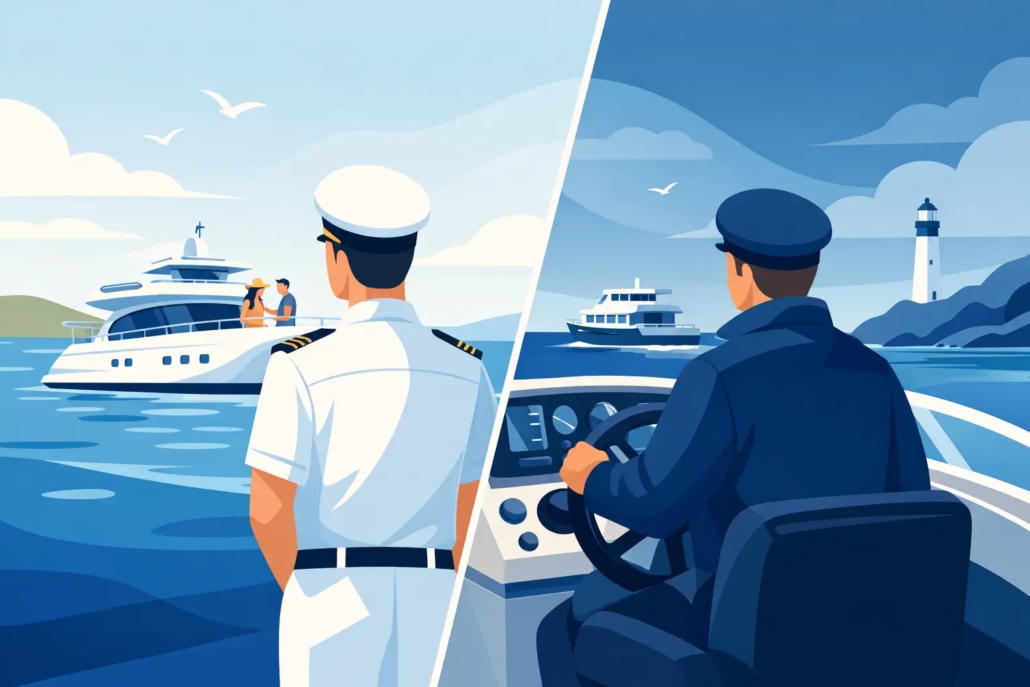
Charter Licence vs Boatmaster: Which Fits You?
A paid day sail out of Antigua is not the same job as taking responsibility for a commercial vessel, its crew, passengers, safety procedures, and passage plan. That is the real question behind charter licence vs boatmaster. Both can support commercial work on the water, but they are designed for different operating roles, levels of responsibility, and career ambitions.
For a skipper building a Caribbean charter business, choosing the right route affects more than what appears on a certificate. It can shape where you are permitted to operate, the vessels you can command, the work you can accept, and what employers, insurers, and local authorities expect to see.
Charter Licence vs Boatmaster: The Core Difference
A Charter Licence is generally a practical commercial qualification for people who want to run charter operations. Think crewed day charters, sightseeing trips, snorkeling excursions, sailing holidays, water-based tourism, or private yacht work within an approved area. The focus is on safe, competent operation with paying guests aboard.
A Boatmaster qualification is typically aimed at a broader level of professional vessel command. It is often relevant to operators of commercial vessels carrying passengers, working in marine transport, operating tourism boats, or taking on responsibility in a more regulated commercial environment. The exact privileges can vary significantly by issuing authority, vessel type, route, and local regulations.
That distinction matters. A Charter Licence may be the direct, efficient route for someone whose work is centered on charter guests. Boatmaster training may be better suited to someone seeking wider commercial responsibility, a role in marine tourism or transport, or a professional progression beyond yacht charter work.
Neither qualification is automatically “better.” The right choice is the one that matches the vessel, waters, passengers, and commercial operation you intend to run.
Start With the Work You Want to Do
Before comparing course schedules or certificate titles, be precise about your intended operation. Are you planning to skipper sailing charters for visitors between Antigua’s beaches and anchorages? Do you want to run a powerboat carrying passengers to offshore islands? Are you applying for work with an excursion company, a resort, a water-sports business, or a marine transport operator?
A Charter Licence is often a strong fit when the work is guest-facing and charter-led. You need to be able to plan a safe trip, assess weather and sea state, brief passengers, manage emergencies, navigate local waters, and return everyone safely while delivering an excellent day on the water. Hospitality matters, but it does not replace seamanship. A commercially capable charter skipper must manage both.
Boatmaster training may make more sense where the job calls for formal command responsibility across a wider commercial setting. This can include passenger vessels, local transportation, tourism operations, workboats, tenders, or other vessels where the operator has a defined legal duty to crew, cargo, passengers, and vessel safety.
The question is not simply, “Do I want to be a captain?” It is, “What vessel will I command, where will I operate, and under which authority?”
Why Local Rules Matter More Than the Certificate Name
Marine qualifications are not universally interchangeable. A certificate that is accepted for one type of charter work may not meet the requirements for another operation, even within the same country. Local licensing authorities, port authorities, vessel registration requirements, commercial codes, insurers, and employers can all set conditions.
For example, the required qualification may depend on whether your vessel is sail or power, how many passengers it carries, whether it operates by day or at night, how far it travels offshore, and whether it is registered locally or abroad. A company operating a passenger excursion boat may have obligations that go beyond the skipper’s license, including safety equipment, crew training, radio certification, emergency procedures, and inspection requirements.
This is why a course should never be selected from its name alone. Confirm the license requirements with the authority that governs your intended operation before enrolling. If you are being hired, ask the employer exactly which credentials they recognize. If you are launching your own business, check the vessel’s commercial requirements alongside your personal qualification.
A clear answer before training can save time, money, and a frustrating gap between being capable on the water and being legally ready to work.
Skills You Can Expect to Build
Both routes should strengthen practical command skills, but the emphasis can differ. A Charter Licence course is likely to be highly relevant to the daily realities of guest operations: passage planning, local navigation, collision regulations, anchoring, docking, man-overboard recovery, weather decisions, safety briefings, and professional conduct with clients aboard.
Boatmaster training may place greater weight on commercial command, vessel management, crew leadership, operational responsibility, regulatory awareness, and the systems required to carry passengers or work professionally. Depending on the program and level, candidates may need to demonstrate a sound grasp of chartwork, tides, navigation, seamanship, emergency response, and practical boat handling under assessment.
In either case, the certificate should be the result of real competence rather than a shortcut. Caribbean conditions are ideal for building that competence, but they still demand judgment. Trade winds, squalls, reefs, busy anchorages, changing sea states, and unfamiliar guests can test even experienced skippers.
The strongest training combines clear professional standards with substantial time at the helm. You should leave able to explain your decisions, not just repeat procedures.
Experience and Supporting Qualifications
A license rarely stands alone in commercial yachting. Employers and authorities may also look for logged sea time, medical fitness, VHF radio qualifications, first aid, fire safety, sea survival, security training, or STCW certification. The requirements depend on the operation, but commercial readiness is usually built in layers.
If you are early in your sailing career, practical courses such as RYA sailing or motor training can establish a strong base before you move into commercial licensing. If you already have experience, your next step may be refining command skills, meeting local certification standards, or adding safety qualifications that make you employable.
For aspiring professionals, do not underestimate the value of documented experience. A well-kept logbook shows the waters you have sailed, the boats you have handled, the conditions you have encountered, and the responsibility you have carried. It also helps an instructor identify whether you are ready for assessment or would benefit from more preparation first.
At Ondeck Sailing, that progression can be built around practical Caribbean time on the water, professional safety training, and qualifications aligned with your intended role. The goal is not simply to collect certificates. It is to become the person a captain, employer, insurer, and guest can trust when conditions change.
Choosing the Right Route for Your Career
Choose a Charter Licence when your clearest goal is operating charter trips and delivering safe, professional guest experiences. It is particularly relevant if you see yourself working on day sails, private charters, sailing excursions, and tourism-focused boats where local charter authorization is the key requirement.
Consider Boatmaster when you want a wider commercial command profile, expect to work with passenger-carrying or operational vessels, or need a credential that aligns with a local maritime authority’s standards for professional boat operation. It may also be the more suitable path for professionals moving toward management responsibility in a tourism, transport, or marine-services business.
There are situations where completing both makes sense. A skipper may need a Charter Licence to meet a specific local requirement while pursuing Boatmaster training to expand commercial opportunities. Another may begin in charter work and later move into passenger operations, resort marine departments, or vessel management.
What matters is sequencing. Start with the qualification that allows you to perform your next real job safely and legally, then build from there. Training is most valuable when it creates momentum rather than leaving you with a credential that does not match your operation.
Questions to Answer Before You Enroll
Ask yourself four practical questions: What type of vessel will I run? Where will I operate? Will I carry paying passengers? What qualification does the local authority, employer, or insurer require?
Then consider the experience behind the answer. If your ambition is to captain a charter yacht in Antigua next season, a targeted Charter Licence route with relevant practical training may be exactly what you need. If you want long-term commercial command opportunities across marine tourism or passenger operations, Boatmaster may offer the stronger foundation.
The Caribbean rewards confident skippers, but confidence has to be earned through sound instruction, real practice, and respect for the responsibility that comes with taking people to sea. Choose the license that fits your next voyage, and train to be ready for the one after it.

