
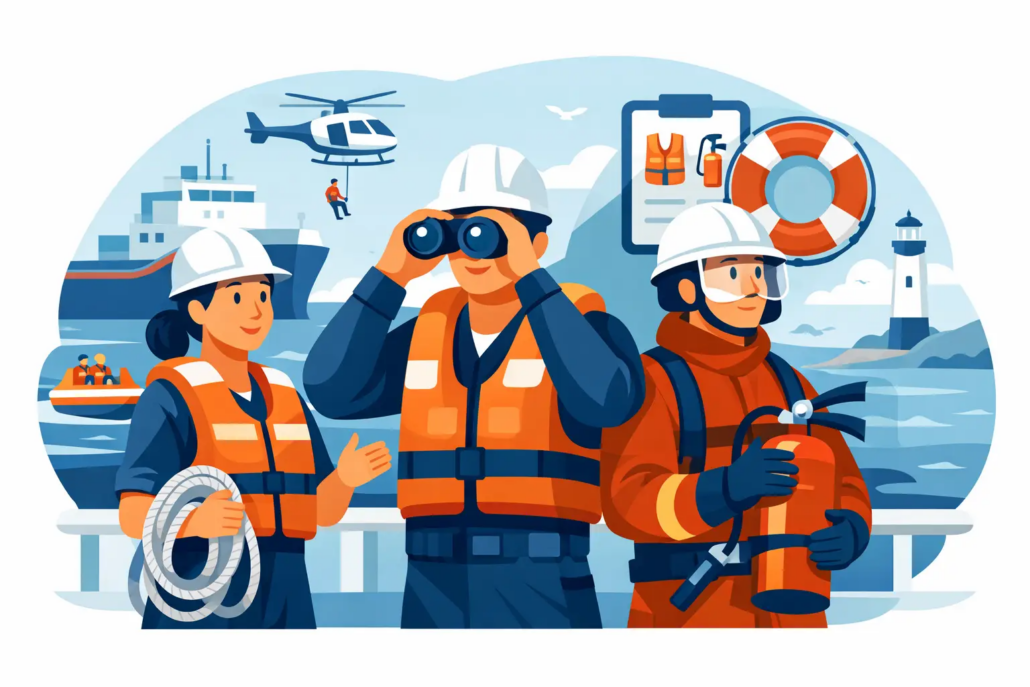
Maritime Safety Courses for Confident Crew
A fire alarm at sea, a person overboard, a medical emergency, or a sudden squall leaves no room for uncertainty. Maritime safety courses give crew, skippers, and marine businesses the practiced response required when conditions change fast. They are not simply certificates for a file. Done properly, they build calm decision-making, useful habits, and the confidence to act as part of a capable team.
For anyone working toward a role on yachts, charter boats, passenger vessels, watersports operations, or commercial marine transport, formal safety training is often a practical requirement. For recreational sailors, it is just as valuable. The Caribbean rewards good seamanship with extraordinary passages, anchorages, and regatta days, but warm water does not make the sea predictable.
What Maritime Safety Courses Actually Teach
The right course depends on where you intend to operate and what role you will hold. A deckhand joining a commercial yacht needs a different qualification pathway than an owner preparing for family cruising. A charter company may need team-wide procedures that go beyond any one crew member’s certificate.
At the foundation of professional training are STCW safety courses. STCW stands for Standards of Training, Certification and Watchkeeping, an international framework used across commercial shipping and much of the yacht industry. Basic safety training commonly covers personal survival techniques, fire prevention and firefighting, elementary first aid, and personal safety and social responsibilities.
Those subjects sound straightforward until they are practiced under pressure. Donning a lifejacket correctly, entering the water safely, using survival equipment, handling a fire extinguisher, and communicating during an emergency all require more than a briefing. The value comes from repetition, correct sequencing, and understanding how individual actions affect the whole vessel.
Security training may also be required, particularly for crew employed on commercial vessels. Depending on the position and vessel, this can include security awareness or training for personnel with designated security duties. Requirements vary by flag state, employer, vessel type, and intended employment, so it is wise to confirm the exact certificate needed before booking.
Safety Training for Sailors Is More Than STCW
STCW is central for many professional routes, but it is not the only safety education that matters. Recreational sailors and progressing skippers benefit from practical training integrated into sailing and motor courses. This is where emergency procedures become part of normal boat handling rather than a separate classroom subject.
A well-structured practical course develops habits such as checking weather windows, fitting and using safety equipment, preparing a passage, assigning watch responsibilities, reducing sail early, managing man-overboard situations, and making a timely call for assistance. These skills are relevant whether you are taking friends around Antigua, chartering in the Grenadines, or building sea time toward a higher qualification.
RYA practical and theory courses can form a clear progression for sailors who want to develop those capabilities methodically. Theory training strengthens navigation, tidal planning, collision regulations, weather interpretation, and passage planning. Practical instruction puts that knowledge to work on the water. Neither replaces formal commercial safety certification when it is required, but together they create a more rounded and dependable skipper.
For Caribbean operators, regional licenses and qualifications can be equally relevant. A Caribbean Boatmaster program, for example, can support those operating professionally in the region, subject to the authority, area of operation, and vessel category involved. The best route is never chosen by the most impressive course title alone. It should match the waters you will work in, the vessel you will operate, and the responsibility you expect to carry.
Choosing the Right Maritime Safety Course Path
Start with the job or voyage, not the certificate. Someone seeking their first deckhand role may need STCW Basic Safety Training and security training before applying for positions. A charter skipper may need a combination of recognized practical qualifications, local licensing, commercial endorsements, and current safety certificates. A recreational sailor may be better served by a practical course that builds command skills before adding specialist safety modules.
Ask four direct questions before committing to a program:
- Is this qualification accepted by the employer, regulator, flag state, or charter operation I am working with?
- Does the course include practical assessment, realistic equipment use, and instructor feedback?
- What prerequisites, medical standards, sea-time records, or refresher requirements apply?
- How does this course fit into my next step, whether that is competent crew, skipper, commercial work, or Yachtmaster preparation?
The answers prevent a common and expensive mistake: collecting certificates that do not form a coherent route. A strong training provider should be able to explain the difference between a recreational credential, a commercial safety requirement, and a local operating license without overselling any one of them.
Why Practical Training Matters in the Caribbean
Antigua offers exceptional training conditions, but that does not mean training is easy. Trade winds, open-water passages, reef awareness, busy anchorages, and changing sea states create the kind of real operating environment that develops judgment. Students learn to make decisions while managing a boat, crew communication, and time pressure, not from a desk alone.
That setting is especially useful for sailors moving from occasional day trips to longer cruising or professional work. A passage plan has to account for weather, fuel, navigation hazards, crew readiness, and a safe alternative if the original plan no longer works. The core lesson is simple: good seamanship begins before leaving the dock and continues until the vessel is secured.
There is a balance to strike. Warm, clear conditions can make water-based drills more approachable for first-time trainees, while professional standards must remain uncompromising. Training should be engaging, but it should also make people comfortable admitting what they do not yet know. The crew member who asks early questions is often safer than the one who assumes experience in one setting automatically transfers to another.
Training Marine Teams, Not Just Individuals
Tourism operators, watersports businesses, charter companies, and transport providers carry a duty that extends beyond individual certificates. A team can hold all the right paperwork and still struggle if emergency roles, communication methods, equipment checks, and reporting procedures are unclear.
This is where bespoke maritime safety training has real value. Rather than treating training as an annual compliance task, businesses can focus on the risks present in their operation. A dive or watersports team may prioritize casualty recovery and guest briefings. A charter operation may focus on fire response, abandon-ship readiness, tender safety, and handovers between crew. A marine transport business may need procedures that reflect passenger management, route conditions, and shore-side coordination.
The most useful sessions test how people work together. Who makes the radio call? Who accounts for guests? Who retrieves emergency equipment? Who takes command if the usual skipper is injured? Clear answers, practiced regularly, turn procedures into action.
Keeping Your Credentials and Skills Current
Safety competence has a shelf life if it is not used. Some certificates have formal validity periods or refresher expectations, while others may remain valid but still need renewal in the eyes of an employer or insurer. Regulations also change, so crew should keep accurate digital and physical records of certificates, medical documentation, sea time, and course completion dates.
More importantly, revisit the skills. Review the vessel’s safety plan when joining a new boat. Locate extinguishers, life rafts, grab bags, flares, first-aid equipment, and emergency shutoffs before departure. Run man-overboard and abandon-ship discussions with the crew, then make them practical. A five-minute safety brief before a charter can prevent confusion when seconds matter.
Ondeck Sailing brings professional maritime training together with practical sailing in Antigua, helping crew and skippers build qualifications in the same waters where sound judgment is tested every day. The aim is not to make the sea feel risk-free. It is to prepare people to meet it with discipline, awareness, and respect.
Choose training that fits the work or sailing you genuinely plan to do, then give yourself enough time to practice what you learn. The next calm Caribbean departure is the right moment to start building the habits that will matter when it is no longer calm.

